


How Television Began: From Spinning Discs to Streaming Giants

A Complete History of TV – From the 1920s to Today
Television as we know it didn’t start with sleek flat screens or high-definition pictures. It began as a bold scientific experiment in the early 1900s, when inventors around the world tried to figure out whether moving images could be sent through the air, the same way radio sent sound.
These early attempts used mechanical scanning devices, including spinning metal discs called Nipkow discs, which created tiny, blurry images that flickered more than they entertained. But these rudimentary inventions sparked the beginning of a global revolution: the birth of television.

The 1920s – The Birth of Television Technology
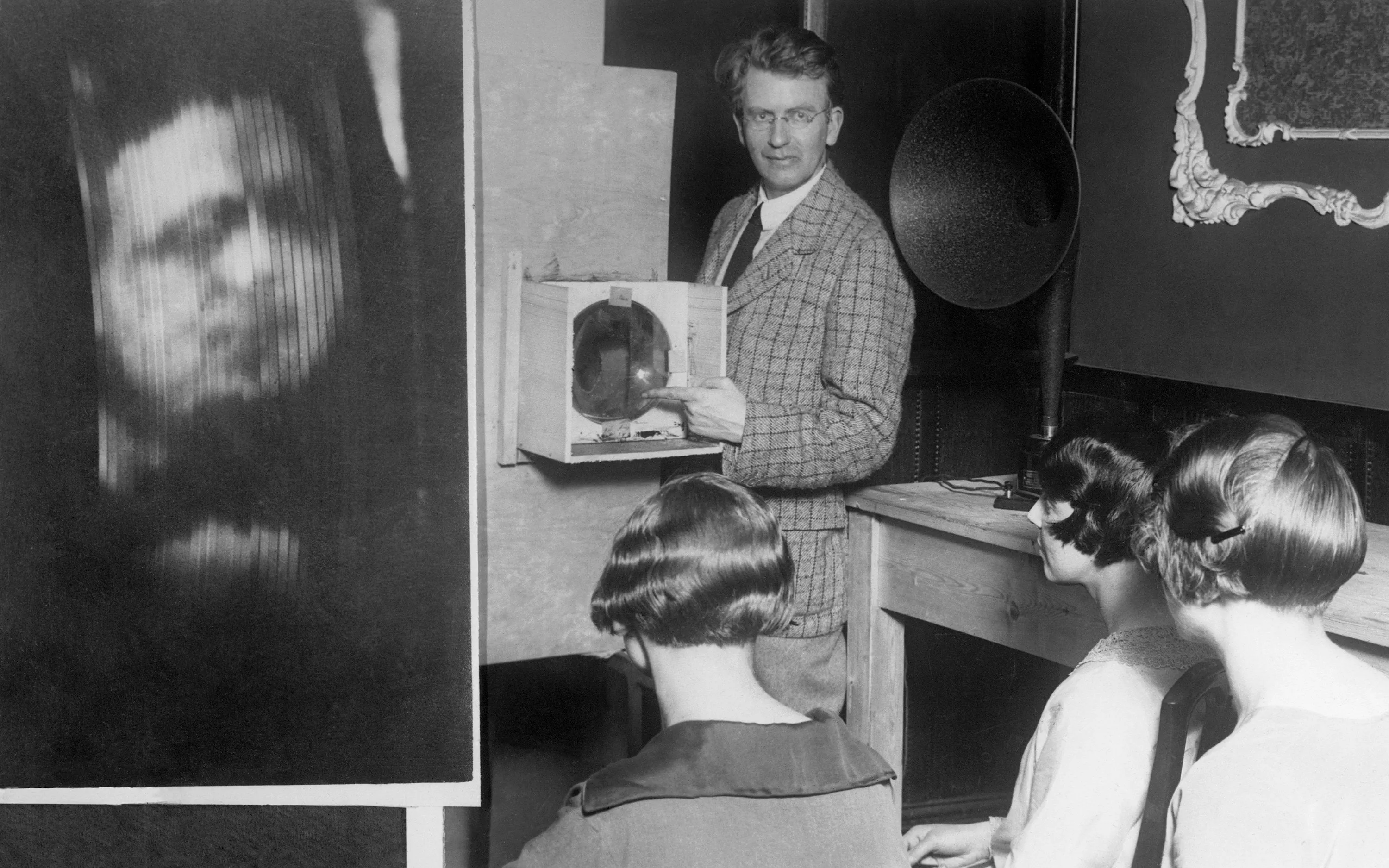
The 1920s were the decade when the idea of television became reality. Scottish engineer John Logie Baird made headlines in 1926 by demonstrating the first working television system in London. Using mechanical discs and light-sensitive selenium cells, Baird transmitted ghostly silhouettes of human faces—just 30 lines of resolution, but enough to prove that moving pictures could be broadcast.
At the same time in America, inventor Charles Francis Jenkins was experimenting with sending simple shapes and silhouettes over radio waves as early as 1923.
These weren’t TV shows yet—just proof-of-concept images—but they laid the foundation for modern television.
What Was the First TV Show?
The truth is, the first TV show isn’t easy to pinpoint. In the 1920s and early 1930s, most broadcasts were test transmissions. Engineers used anything available—a man’s face, a puppet, or the famous Felix the Cat doll—to check whether the signal worked.
In 1928, RCA’s experimental station W2XBS (later NBC) began some of the earliest scheduled broadcasts. Felix the Cat spun on a turntable for hours so engineers could fine-tune their equipment.

In the UK, the BBC began experimental broadcasts in 1930 and, by 1936, launched what many historians call the world’s first public television service. These broadcasts included plays, news bulletins, music, and variety acts—closer to what we’d now consider real television programming.

The 1930s – The Rise of Real TV Services
By the mid-1930s, television was evolving rapidly.
- 1936: The BBC began the world’s first regular TV service from Alexandra Palace.
- Programmes included newsreels, short dramas, and live performances.

In the US, RCA showcased television to the world at the 1939 New York World’s Fair, branding it the “technology of the future.”
Television sets were still rare, but the concept had captured the world’s imagination.
1941 – The First Television Advert
On 1 July 1941, the first official TV advert aired in the US during a baseball game on WNBT (now WNBC). It was a simple 10-second Bulova Watch commercial.
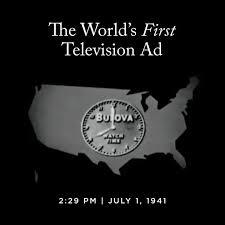
This moment changed TV forever—introducing the advertising-funded model that would dominate the next several decades.
1945–1950s – The Golden Age of Television
After World War II, televisions became affordable and entered millions of homes. Families gathered around their sets to watch:
- live dramas
- sitcoms
- news bulletins
- sports events
In the US, shows like I Love Lucy launched TV into mainstream culture.
In 1954, NBC aired the first coast-to-coast colour broadcast, although black-and-white sets remained common until the 1960s.

Television was no longer an experiment—it was the world’s favourite new medium.
1960s – Colour TV and a Global Audience
The 1960s transformed television culturally and technologically:
- Colour TV became widespread.
- BBC Two launched in 1964 and introduced colour by 1967.
- Major global events were broadcast live, including:
- the Kennedy assassination (1963)
- the Moon landing (1969), watched by 600 million people
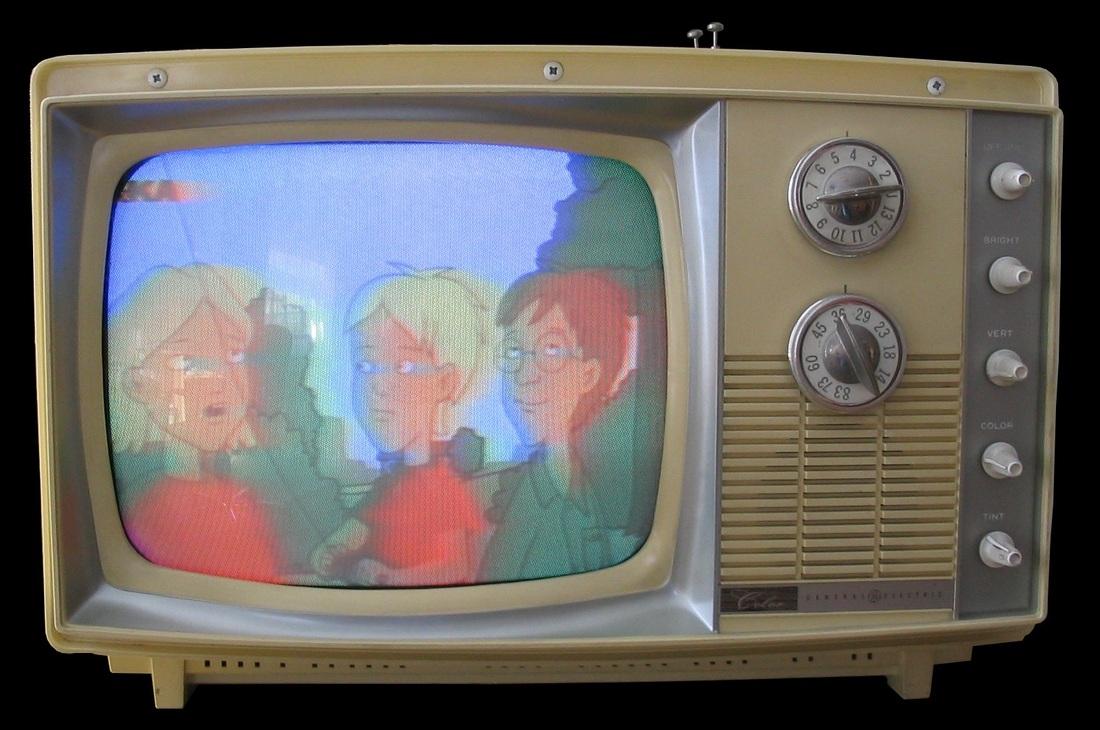
Television had become the world’s window—bringing news, culture, and global moments into everyday homes.
1970s – Cable, Satellite, and the Remote Control
The 1970s reshaped how people watched television:
- Cable and satellite expanded channel options.
- HBO launched in 1972, offering premium movies and shows.
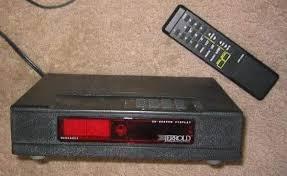
- The remote control entered homes, letting viewers flip channels from the sofa.
TV shows began addressing more complex social and cultural themes, reflecting the changing world.
1980s – 24-Hour News, MTV, and Home Recording
The TV boom continued:
- 1980: CNN launched the first 24-hour news channel, changing journalism forever.
- 1981: MTV debuted, transforming music into a visual experience and shaping global youth culture.

- VCRs allowed viewers to record their favourite shows for the first time.
Television was becoming more personal—viewers could finally choose what (and when) to watch.
1990s – Satellite TV and Global Phenomena
The 1990s saw an explosion of choice:
- Hundreds of channels became available via satellite and cable.
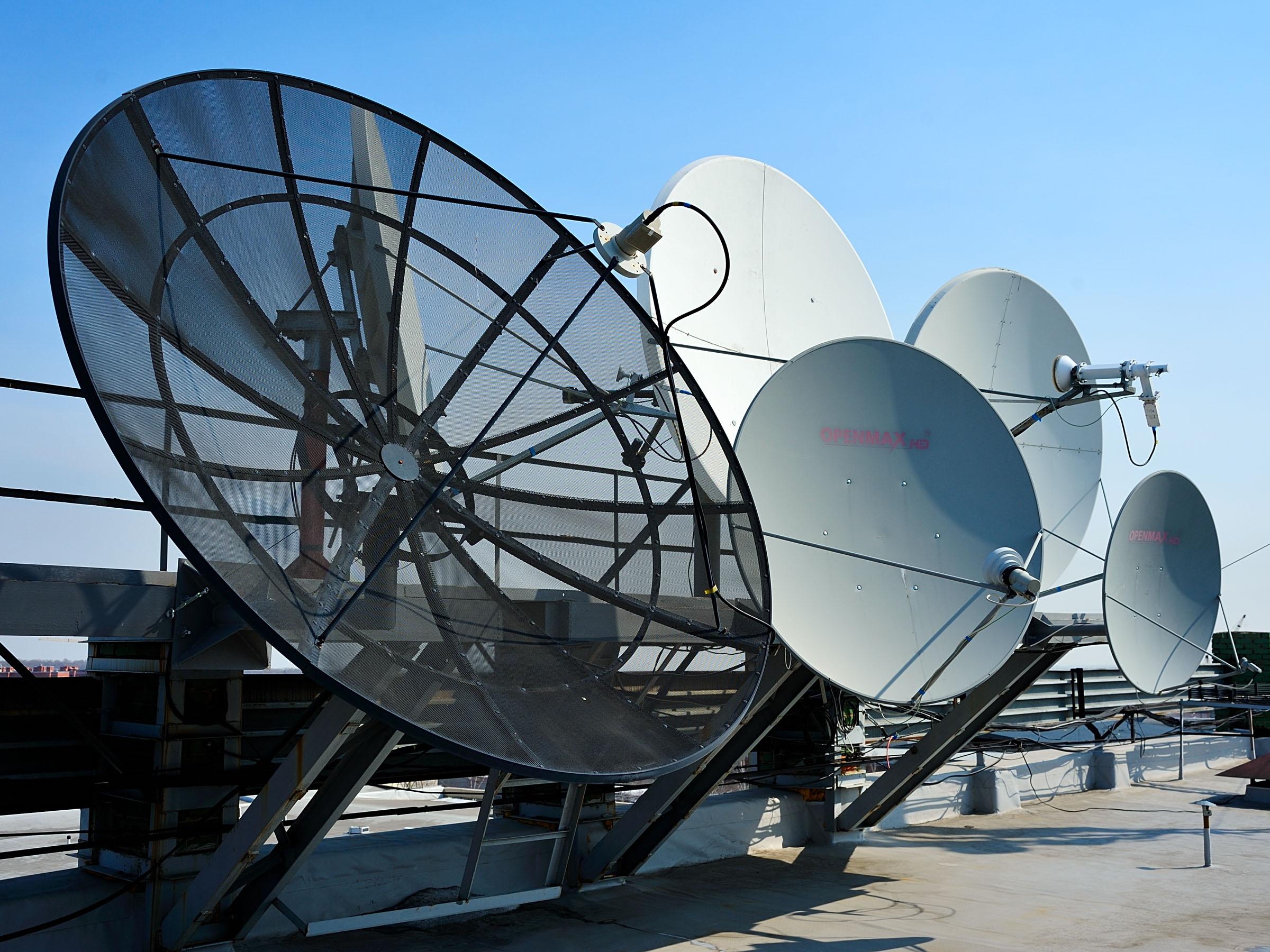
- International TV hits like Friends, The X-Files, and Baywatch became global cultural icons.
- Major events such as the funeral of Princess Diana drew audiences of over 2 billion people.
Television was now a global shared experience.
2000s – HDTV, Digital Switchover, and the Internet Era
The 2000s revolutionised the viewing experience:
- HDTV brought crystal-clear, cinematic quality to homes.
- The digital switchover replaced analogue broadcasts around the world.

In the UK, Freeview launched in 2002, offering dozens of free digital channels.
Virgin Media Arrives (2007)
With the merger of NTL and Telewest, Virgin Media became the UK’s first “quad-play” provider—offering TV, broadband, phone, and mobile under one brand.
On-demand viewing became mainstream, giving people unprecedented control over what they watched.
2010s – The Streaming Revolution
The 2010s reshaped the meaning of television:
- Netflix, Amazon Prime Video, and Hulu transformed TV into an on-demand, binge-watching experience.
- Blockbuster-style TV shows such as Breaking Bad, The Crown, and Game of Thrones blurred the line between cinema and series.
- New entrants like Disney+ and HBO Max fuelled the streaming wars.
Viewers no longer followed schedules—they created their own.
2020s – TV in the Fully Digital Age
Today, “television” means any screen—smart TVs, tablets, laptops, or phones.
The 2020s are dominated by:
- powerful streaming platforms
- advanced smart TVs
- hybrid broadcast + online viewing

Live events like the Olympics, World Cup, and Eurovision still unite millions in real time, but much of everyday viewing now happens online.
The pandemic accelerated this shift further, with studios releasing major films directly onto streaming services.
What’s Next for Television?
The future of TV promises even more dramatic change:
1. Streaming Wars and Platform Consolidation
With so many subscription services, viewers are hitting subscription fatigue. Expect mergers, bundles, and new hybrid models.
2. FAST Channels (Free Ad-Supported Streaming TV)
Free, ad-funded streaming may become the new normal—bringing TV full circle but delivered online.

3. Blurring of TV, Social Media, and Gaming
Younger generations don’t distinguish between:
- YouTube
- TikTok
- Twitch
- traditional TV
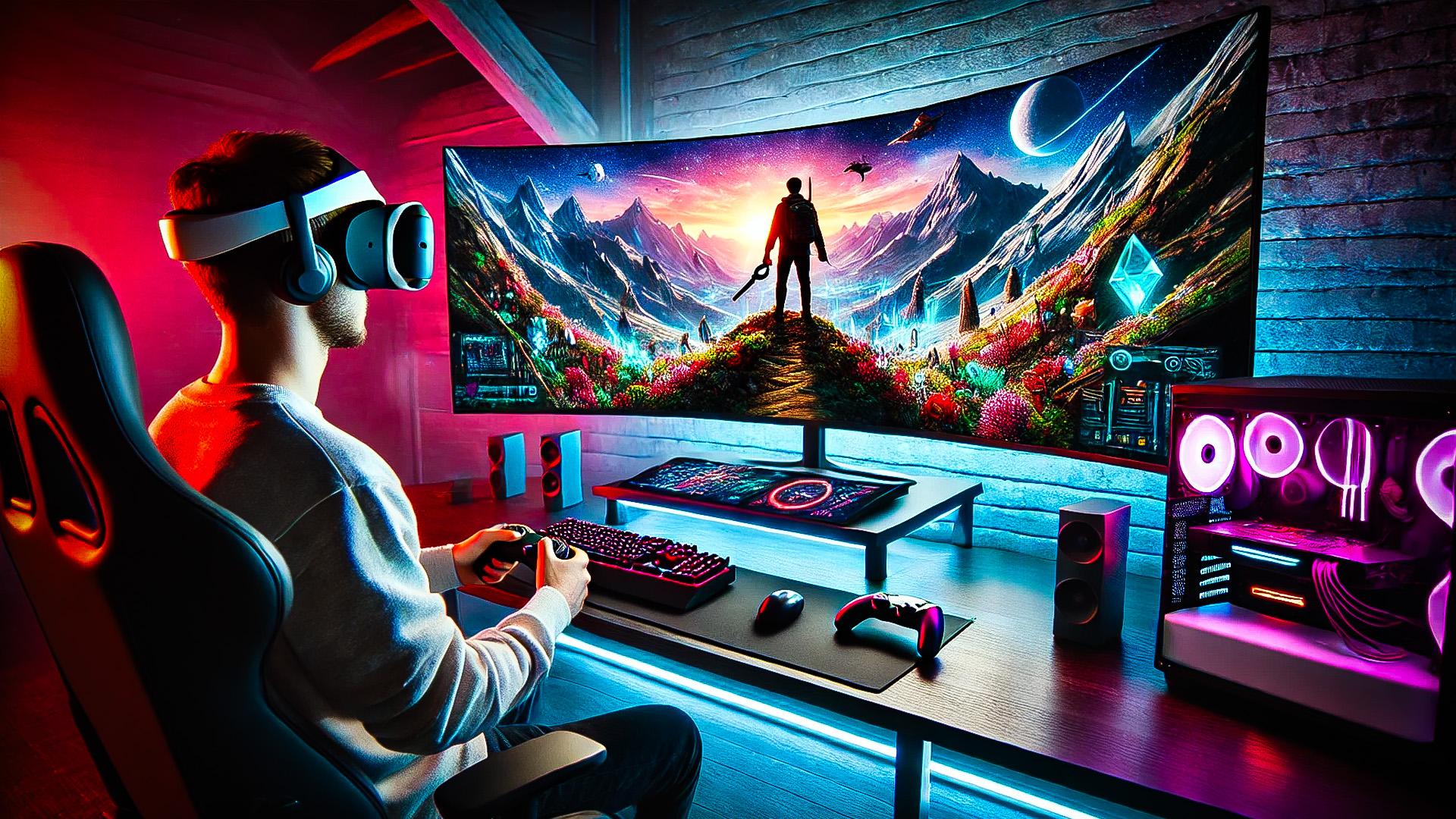
Future television may be interactive, merging live shows with gaming elements and real-time audience participation—a blend of TV show + video game + social experience.
Final Thoughts
From spinning metal discs to global streaming platforms, television has spent a century reinventing itself. Its journey mirrors our own—how we live, connect, and share stories. And as technology evolves, one thing is certain:
television will keep transforming, becoming more immersive, more interactive, and more connected than ever before.


- News & Current Affairs
- Business & Economy
- Finance & Money
- Education & Learning
- Technology & Innovation
- Science & Environment
- Health & Wellness
- Food & Drink
- Home, Garden & Lifestyle
- Travel & Tourism
- Fashion & Beauty
- Art & Culture
- Entertainment & Media
- Sports & Recreation
- Personal Growth & Lifestyle
- Careers & Work
- Tutorials & How-To Guides
- Real Estate & Property
- Automotive
- Family & Relationships
- Environment & Sustainability
- Law & Legal Matters
- Gaming & Esports
- Religion & Spirituality
- Community & Local Voices
- Miscellaneous
- History