


Ancient Artifacts: Remarkable Objects That Changed Our Understanding of History

Ancient history is not preserved only in chronicles, inscriptions, and stories passed from one generation to another. Much of what we know about humanity's distant past comes from objects that survived long after the people who made and used them disappeared.
A chipped stone tool, a broken clay pot, a golden burial mask, or a mysterious collection of bronze gears can reveal extraordinary details about people who lived hundreds, thousands, or even millions of years ago.
These objects are known as archaeological artifacts, and they provide some of the most important physical evidence of human history.
Every artifact has a story. Some tell us how people hunted and prepared food. Others reveal what they believed about death and the afterlife. A few discoveries have been so extraordinary that they have completely changed our understanding of ancient civilizations.
Artifacts can include:
- Stone tools and weapons
- Pottery and household utensils
- Coins and jewelry
- Statues and figurines
- Clothing and textiles
- Religious objects
- Written tablets and manuscripts
- Agricultural equipment
- Musical instruments
- Mechanical devices

An artifact is different from a fossil. Fossils are naturally preserved remains or traces of once-living organisms, while artifacts show evidence of human manufacture or use.
For archaeologists, even the simplest object can be valuable. A broken cooking pot might reveal what people ate, where they obtained their materials, and how far their trade networks extended.
Why Ancient Artifacts Matter
Written history represents only a small portion of the human story. Writing appeared relatively recently compared with the enormous length of human existence, and even civilizations that kept written records often documented rulers, wars, religion, and major political events rather than ordinary daily life.
Artifacts help fill those gaps.
They allow researchers to investigate questions such as how people built their homes, prepared meals, traded goods, worshipped, travelled, raised children, fought wars, created art, and adapted to changing environments.
Sometimes an artifact confirms something already known from historical documents. At other times, a discovery forces historians to reconsider long-established ideas.
That is what makes archaeology so fascinating: history is never completely finished.
New evidence can still emerge from beneath the ground.
Five Extraordinary Ancient Artifacts
Among the millions of archaeological objects discovered around the world, several have become especially important because of what they revealed.
1. The Rosetta Stone – The Key to Ancient Egypt
Few archaeological discoveries have unlocked as much lost knowledge as the Rosetta Stone.
It was discovered in Egypt in 1799 during Napoleon's Egyptian campaign. The dark stone contains a decree written in three scripts: Egyptian hieroglyphs, Demotic Egyptian, and Ancient Greek.
Because scholars could already read Ancient Greek, they suddenly possessed a reference point for understanding the mysterious hieroglyphs covering Egyptian temples, monuments, and tombs.
The breakthrough came largely through the work of French scholar Jean-François Champollion, who announced major progress in deciphering Egyptian hieroglyphs in 1822.
The consequences were enormous.
Texts that had remained unreadable for centuries could finally be studied again. Pharaohs, religious beliefs, political events, royal families, and aspects of everyday Egyptian life began emerging from inscriptions that had previously been silent.
The Rosetta Stone did more than translate a language.
It helped give ancient Egypt its voice back.

2. The Terracotta Army – An Emperor's Army for Eternity
In 1974, farmers digging a well near Xi'an in China encountered pieces of pottery.
What appeared to be an ordinary discovery soon revealed something astonishing.
Buried beneath the landscape was an enormous collection of life-sized terracotta warriors associated with the mausoleum of Qin Shi Huang, the first emperor of a unified China.
Thousands of soldiers have been uncovered alongside horses, chariots, weapons, and other figures.
The warriors display remarkable variation in hairstyles, clothing, ranks, facial features, and poses. Together they created an underground military force intended to accompany and protect the emperor in the afterlife.
The scale of the site demonstrates far more than artistic skill.
It reveals the extraordinary resources, organization, craftsmanship, and labour available to the Qin state more than 2,000 years ago.
It is essentially an army frozen in clay, waiting underground for centuries until an accidental discovery brought it back into the world.

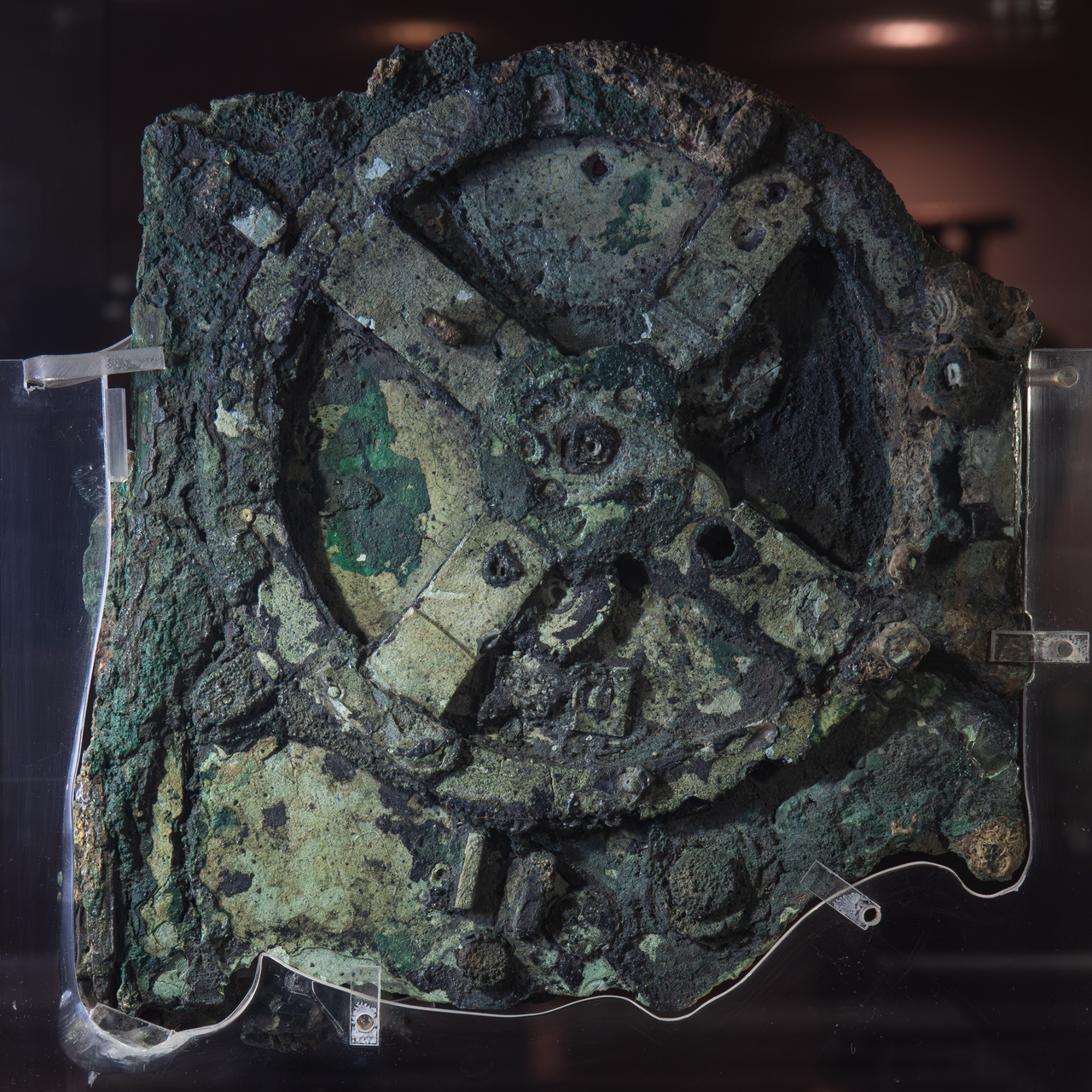
3. The Antikythera Mechanism – The Ancient Computer
When divers exploring an ancient shipwreck near the Greek island of Antikythera recovered a corroded bronze object in the early 20th century, its importance was not immediately obvious.
Inside the damaged fragments was an extraordinarily complicated system of gears.
The Antikythera Mechanism, dating to the ancient Greek world, is now often described as the earliest known complex geared astronomical calculator or analog computer.
Its mechanisms could model astronomical cycles and help predict celestial events.
Modern imaging technologies have allowed researchers to examine gears and inscriptions hidden inside the corroded remains without destroying them.
The discovery transformed assumptions about ancient mechanical engineering.
Technology of this complexity was once thought to have appeared much later.
Instead, the Antikythera Mechanism revealed that ancient craftspeople possessed astonishing knowledge of mathematics, astronomy, metalworking, and mechanical design.
4. Tutankhamun's Golden Mask – A Face From Ancient Egypt
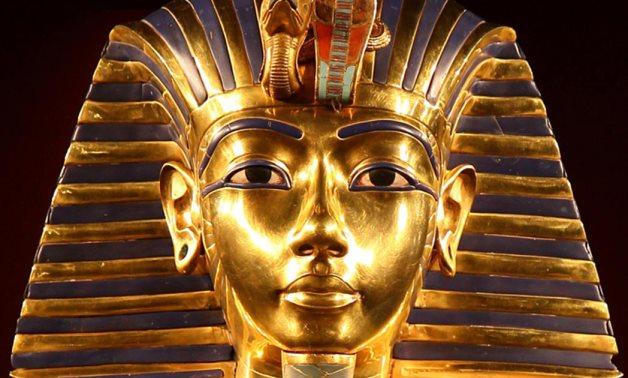
When archaeologist Howard Carter discovered the largely intact tomb of Pharaoh Tutankhamun in 1922, it became one of archaeology's most famous discoveries.
Deep within the burial chambers was the magnificent funerary mask of the young pharaoh.
Made primarily of gold and decorated with materials including colored glass and semi-precious stones, the mask became one of the world's most recognizable ancient artifacts.
Its beauty is impressive, but its historical importance goes much deeper.
Many Egyptian royal tombs had been robbed in antiquity. Tutankhamun's tomb preserved an extraordinary collection of burial objects, allowing researchers to examine royal funerary traditions in remarkable detail.
Furniture, jewelry, ceremonial objects, chariots, clothing, weapons, and other possessions created a snapshot of elite life and death in ancient Egypt.
The discovery also triggered a worldwide fascination with Egyptian archaeology that continues today.
5. The Dead Sea Scrolls – Ancient Words Preserved in the Desert
One of the 20th century's most important manuscript discoveries began in caves near Qumran, close to the Dead Sea.
Beginning in the late 1940s, ancient manuscripts and thousands of fragments were discovered in caves in the region.
Collectively known as the Dead Sea Scrolls, the texts include biblical manuscripts as well as religious, legal, and community writings.
Their survival was extraordinary.
The dry desert environment helped preserve materials that would normally deteriorate over time.
For historians and religious scholars, the scrolls offered invaluable evidence about Jewish religious life and textual traditions during a crucial period of ancient history.
Instead of relying entirely on texts copied many centuries later, scholars could study manuscripts that were dramatically closer to the ancient communities that produced and preserved them.

From Stone to Iron: How Artifacts Reveal Technological Change
Archaeologists traditionally use broad technological periods such as the Stone Age, Bronze Age, and Iron Age to describe major developments in human societies. The dates vary considerably between different parts of the world, so these periods should not be treated as one universal global timeline.
Stone Age
Stone technology stretches back millions of years.
Some of the oldest known stone tools have been discovered in Kenya and date to approximately 3.3 million years ago.
Stone blades, hand axes, scrapers, points, and other implements reveal how early hominins processed food, hunted, built shelters, and interacted with their surroundings.
Over immense periods of time, stone-working techniques became increasingly sophisticated.
Bronze Age
In many regions, the development of bronze metallurgy transformed society.
Bronze generally produced by combining copper with tin, could be fashioned into durable tools, weapons, vessels, ornaments, and ceremonial objects.
Producing bronze also required access to raw materials.
That encouraged long-distance trade networks linking communities separated by enormous distances.
Metalworking therefore tells archaeologists about much more than technology; it can reveal ancient economics, trade, political power, and social organization.
Iron Age
Iron eventually became increasingly important because iron-bearing ores were more widely available than the ingredients needed for bronze.
Improved ironworking produced agricultural implements, weapons, construction tools, and household objects.
Its spread transformed farming, warfare, craftsmanship, and economic life in many ancient societies.
How Archaeologists Find Artifacts
Some discoveries are made through carefully planned archaeological excavations. Others happen almost completely by accident.
Farmers have uncovered tombs while digging wells. Construction crews have encountered ancient walls beneath modern cities. Divers have discovered shipwrecks. Erosion has exposed previously hidden archaeological sites.
Modern archaeologists carefully document where an artifact is found before removing it.
This is extremely important because an artifact's context can be as valuable as the artifact itself.
Imagine discovering an ancient coin.
By itself, it is interesting.
But if archaeologists know precisely which archaeological layer contained it, what buildings surrounded it, and which other objects were found nearby, that single coin can help date an entire section of a settlement.
Removing artifacts without recording their context can permanently destroy valuable historical information.
That is one reason archaeological looting is so damaging.
How Modern Science Investigates the Ancient World
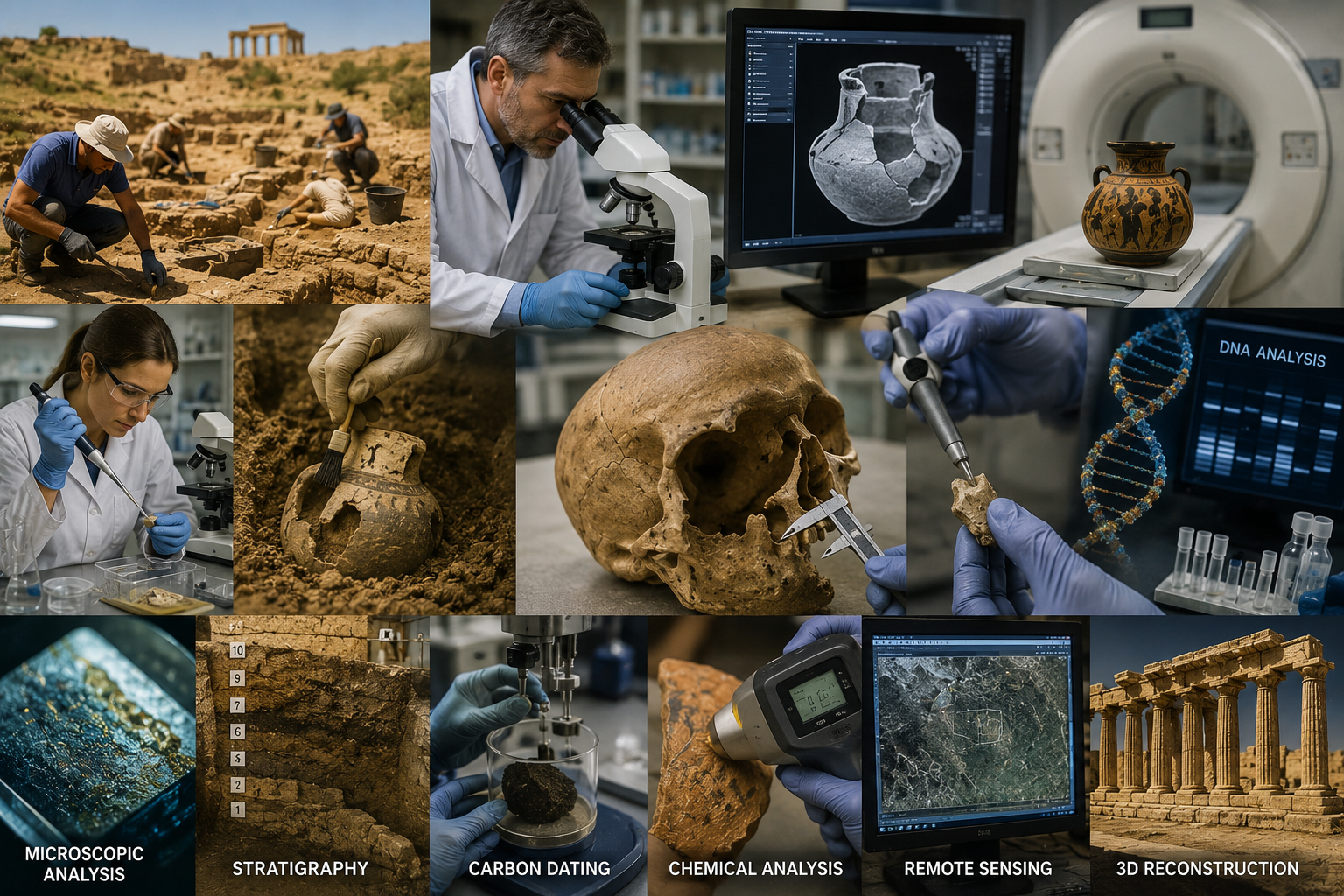
Archaeology today combines traditional excavation with sophisticated scientific technology.
Radiocarbon dating can estimate the age of suitable organic materials, generally up to tens of thousands of years old.
DNA analysis can reveal information about ancient populations, migration, ancestry, animals, and disease.
CT scanning and X-ray imaging allow researchers to investigate objects without taking them apart.
Microscopic analysis can identify wear patterns on tools and traces of materials left on ancient surfaces.
Chemical analysis can reveal pigments, food residues, metals, and manufacturing techniques.
Ground-penetrating radar and remote sensing can identify structures beneath the surface before excavation begins.
Digital reconstruction and increasingly sophisticated computational tools can also help scholars piece together damaged inscriptions, fragmented objects, buildings, and landscapes.
Archaeology is therefore no longer simply about digging.
It has become a meeting point between history, chemistry, biology, geology, physics, anthropology, engineering, and computer science.
The Problem of Looting and Ownership
Ancient artifacts are also at the center of important modern debates.
During colonial expansion, warfare, archaeological expeditions, and periods of political instability, countless cultural objects were removed from their original locations.
Some were legally acquired according to the standards of their time. Others were looted, stolen, illegally exported, or obtained under circumstances that remain disputed.
Today, museums and governments increasingly investigate the provenance - the documented ownership and history - of objects in their collections.
Countries and communities have also requested the return of culturally significant artifacts.
These debates raise difficult questions:
Who owns the past?
Should an artifact remain in an international museum where millions can see it, or should it return to the community or country from which it originated?
There is rarely one simple answer, but the debate has changed how museums and researchers think about archaeology, ownership, ethics, and cultural heritage.
Are Ancient Artifacts Still Being Discovered?
Absolutely.
The archaeological record is nowhere near exhausted.
New discoveries occur every year through excavations, construction projects, underwater archaeology, satellite imagery, and simple chance.
Changing environmental conditions can reveal sites that have remained hidden for centuries. Melting ice, retreating glaciers, drought, coastal erosion, and changing river systems sometimes expose objects that were previously inaccessible.
Unfortunately, these same environmental changes can rapidly destroy archaeological sites.
The race is therefore not simply to discover history, but sometimes to preserve it before it disappears.
Final Thoughts: The Past Is Still Speaking
Ancient artifacts remind us that history is not an abstract collection of dates.
It was lived by real people.
Someone held that stone tool. Someone drank from that clay cup. Someone fastened that piece of jewelry. Someone wrote those words. Someone carefully constructed those tiny bronze gears. Someone placed those objects inside a tomb believing they would be needed in another world.
That human connection is what makes archaeological artifacts so powerful.
Yet the next discovery capable of changing history may not be made of gold. It might be a broken pot, a wooden tool, a scrap of writing, or an object no one yet understands.
The ground beneath us still contains countless unfinished chapters of the human story, and archaeology gives us the extraordinary opportunity to read them.


- News & Current Affairs
- Business & Economy
- Finance & Money
- Education & Learning
- Technology & Innovation
- Science & Environment
- Health & Wellness
- Food & Drink
- Home, Garden & Lifestyle
- Travel & Tourism
- Fashion & Beauty
- Art & Culture
- Entertainment & Media
- Sports & Recreation
- Personal Growth & Lifestyle
- Careers & Work
- Tutorials & How-To Guides
- Real Estate & Property
- Automotive
- Family & Relationships
- Environment & Sustainability
- Law & Legal Matters
- Gaming & Esports
- Religion & Spirituality
- Community & Local Voices
- Miscellaneous
- History