


Ebola Disease: 2026 Outbreak and Reporting, Causes, Symptoms, Treatment, Prevention of Ebola Disease
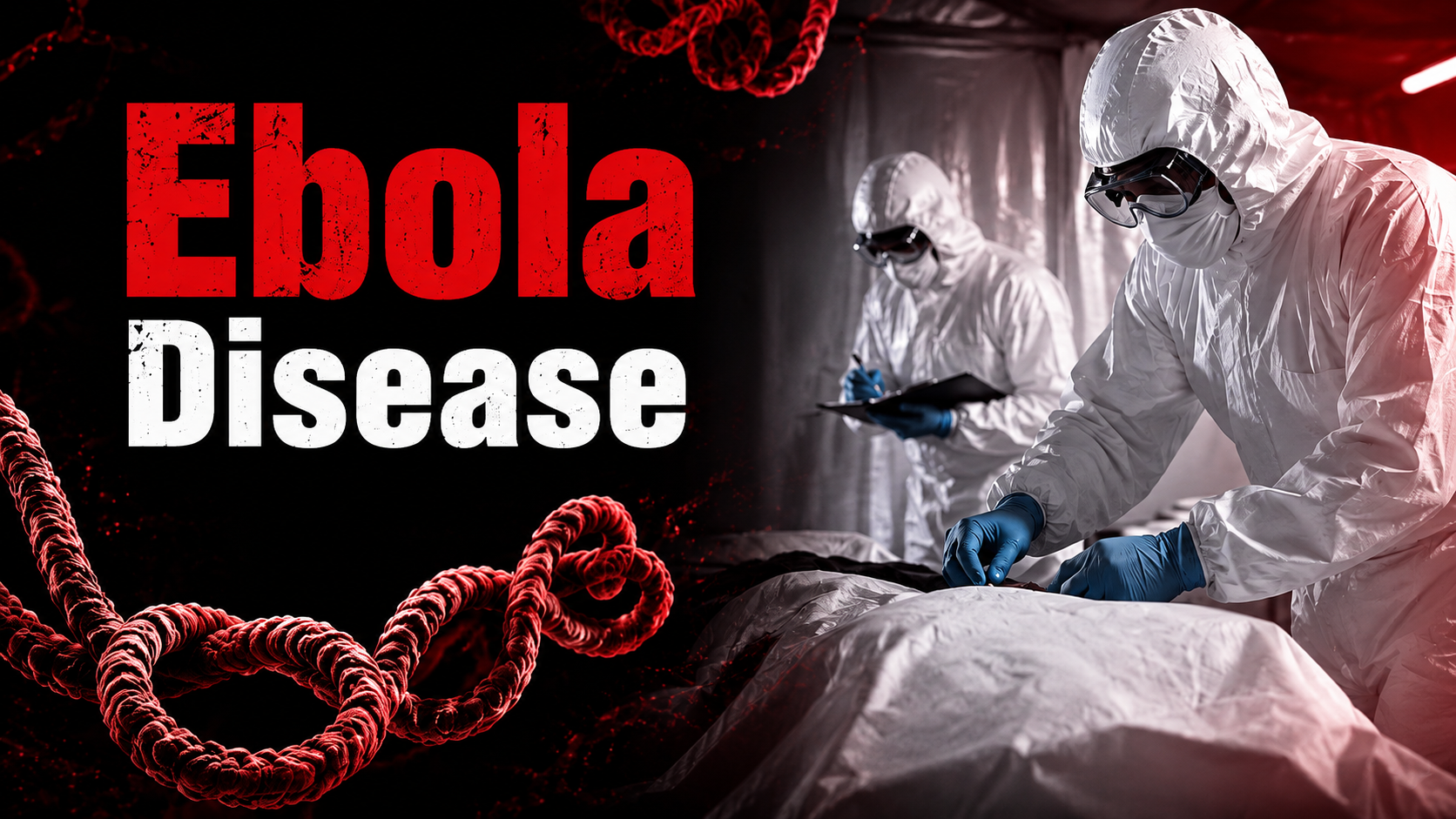
Ebola disease is a rare but severe illness caused by viruses in the Orthoebolavirus genus. It can progress rapidly and, without prompt medical care, may become life-threatening. Across past outbreaks, the average case-fatality rate has been around 50%, although mortality has varied considerably depending on the virus involved, the outbreak and access to early medical care.
Ebola is sometimes misunderstood as an infection that spreads easily through the air. It does not spread in the same way as influenza or COVID-19. Transmission generally requires direct contact with infected body fluids or materials contaminated with those fluids. A person with Ebola disease is not considered contagious until symptoms begin.
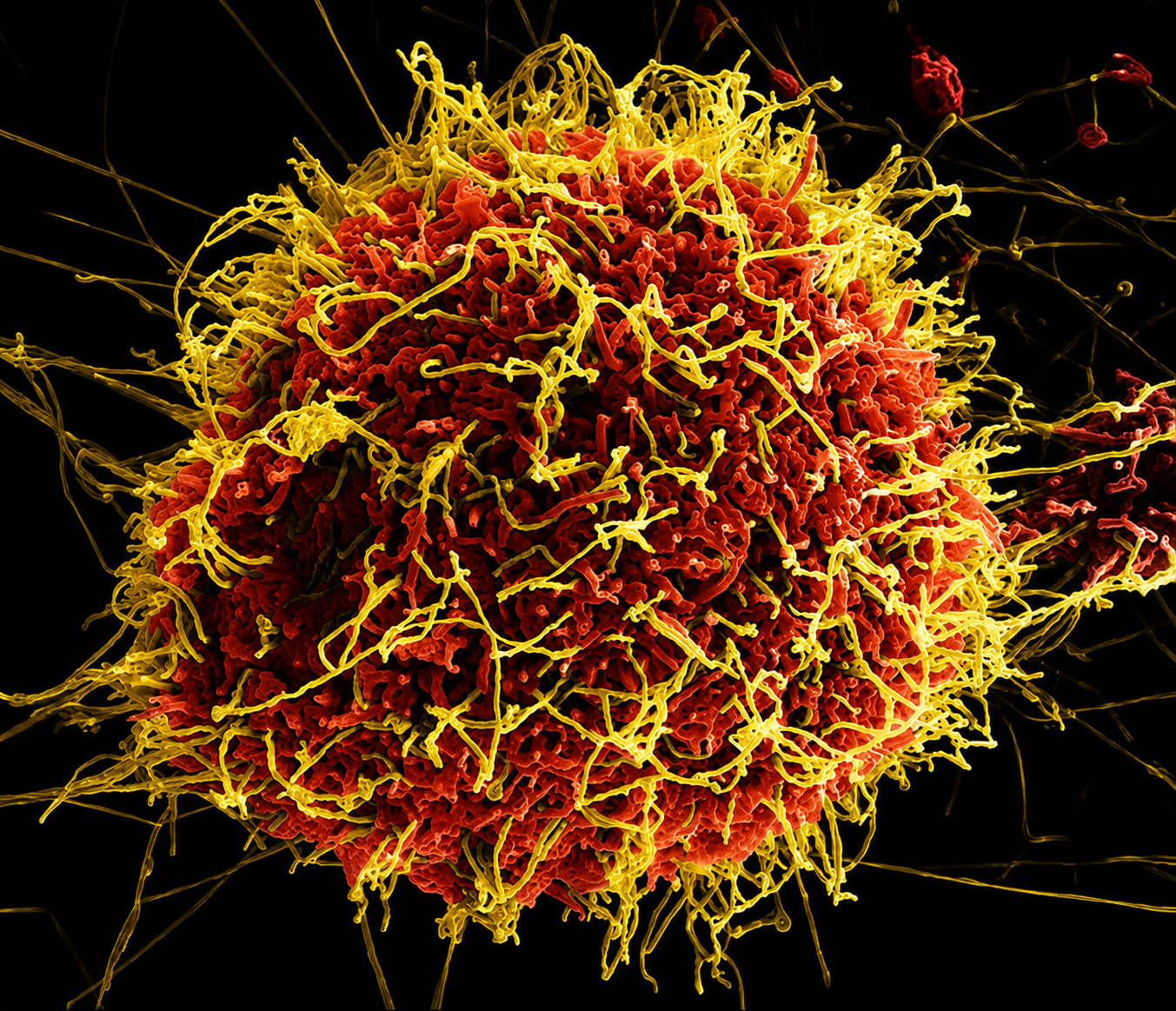
The 2026 Bundibugyo Ebola Outbreak
In May 2026, an outbreak of Bundibugyo virus disease (BVD) was confirmed in the Democratic Republic of the Congo and Uganda. On 17 May 2026, WHO determined that the event constituted a Public Health Emergency of International Concern (PHEIC) because of its severity and potential for international spread.
The current outbreak is particularly challenging because there is no licensed Bundibugyo-specific vaccine or approved specific treatment. Public health control therefore depends heavily on rapid diagnosis, isolation and supportive care, infection-control procedures, contact tracing, safe burials and strong community participation.
Latest Official Situation I Could Verify
Because outbreak figures change rapidly, case numbers should always be checked against the most recent official public-health report.
The latest WHO Disease Outbreak News update I could verify, dated 17 July 2026, reported 2,124 confirmed cases and 828 deaths in the Democratic Republic of the Congo as of 15 July. WHO reported that cases had occurred across 46 health zones in five provinces: Ituri, North Kivu, South Kivu, Haut-Uele and Tshopo.
WHO also reported 20 confirmed cases in Uganda, including two deaths, with no new confirmed cases reported there since 21 June at the time of that update. Uganda had entered a 42-day enhanced-surveillance period. A confirmed imported case had also been identified in France, while humanitarian workers infected in the DRC had received treatment in Germany.
The larger August 2026 case and death figures sometimes circulating online were not available in a newer WHO outbreak update that I could independently verify, so they should not be presented as confirmed figures without a current official source.
What to Do if Ebola Is Suspected
A person with compatible symptoms and a relevant exposure or travel history within the previous 21 days needs urgent professional assessment.
Do not simply arrive unannounced at a crowded healthcare facility if Ebola exposure is genuinely suspected. Contact the relevant healthcare or public-health service first so trained professionals can arrange appropriate assessment and infection-control precautions.
Until professional help is available:
- Avoid direct contact with the person's bodily fluids.
- Keep unnecessary visitors away.
- Do not share bedding, clothing, towels or personal items.
- Avoid handling contaminated materials.
- Follow instructions given by public-health professionals.
Healthcare workers should use appropriate PPE and approved infection-prevention procedures.
The 21-Day Rule
Anyone who has recently been in an affected area should pay particular attention to symptoms during the 21 days following their last possible exposure. Symptoms can develop 2 to 21 days after infection, although they often begin within about one to two weeks.
Importantly, people do not transmit Ebola before they develop symptoms.
Risk is greater if there has been:
- Direct contact with a person who had suspected or confirmed Ebola.
- Contact with infected bodily fluids.
- Healthcare exposure without appropriate protective equipment.
- Participation in unsafe burial practices.
- Contact with high-risk wildlife or contaminated animal material.
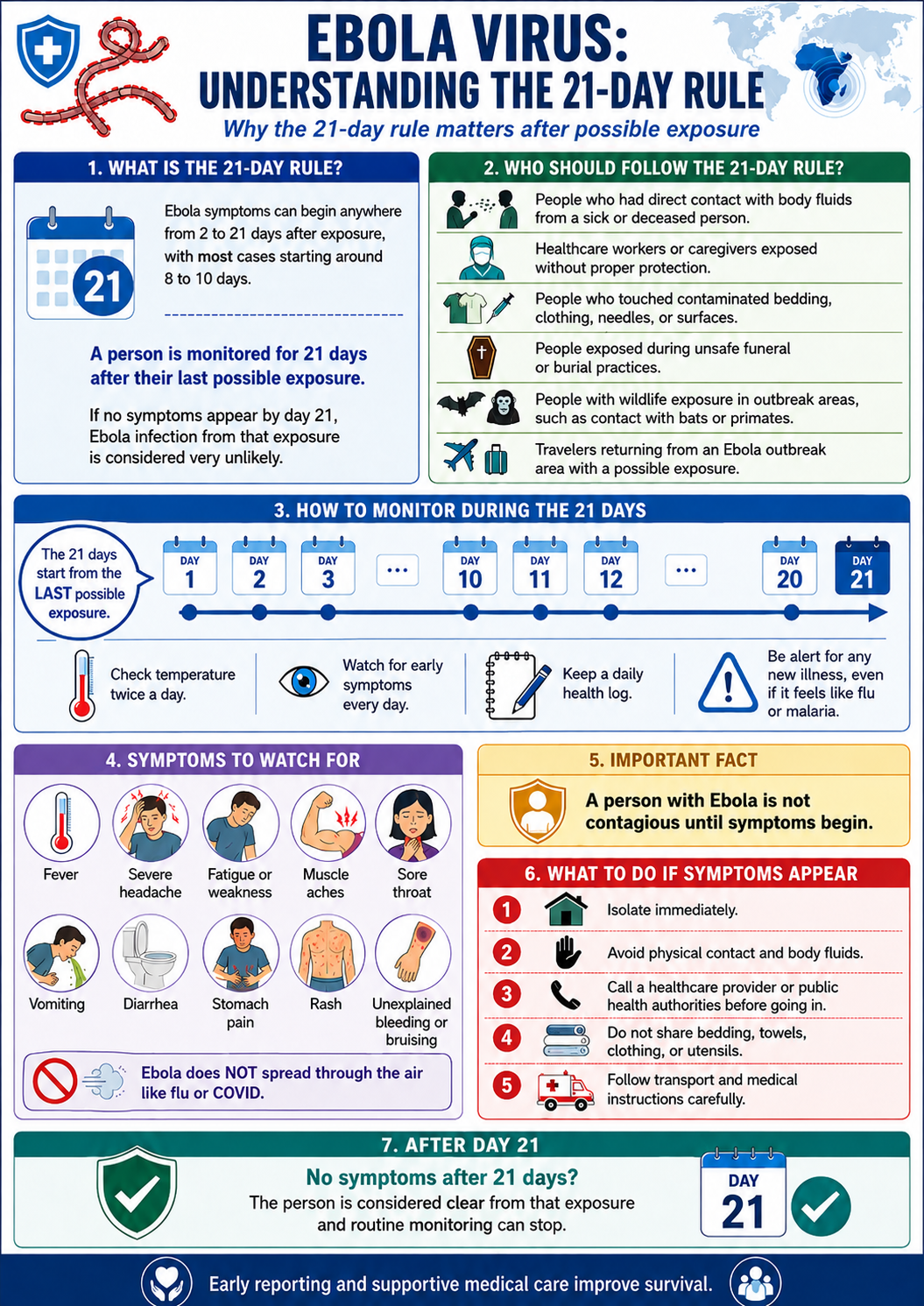
Developing fever, severe weakness, vomiting, diarrhoea or other concerning symptoms after such exposure requires immediate medical and public-health advice.
What Causes Ebola Disease?
Ebola disease is caused by several closely related orthoebolaviruses. Viruses known to cause disease in people include:
- Ebola virus (Orthoebolavirus zairense)
- Sudan virus (Orthoebolavirus sudanense)
- Bundibugyo virus (Orthoebolavirus bundibugyoense)
- Taï Forest virus (Orthoebolavirus taiense)
Different viruses can behave differently, which is particularly important when it comes to vaccines and treatment. Medicines or vaccines developed for one species cannot automatically be assumed to work against another.
How Does Ebola Spread?
Scientists believe African fruit bats are involved in the natural ecology of orthoebolaviruses. Human outbreaks may begin after contact with infected wildlife before spreading from person to person.
Once a person becomes ill, transmission can occur through direct contact with infected body fluids, including blood, saliva, urine, vomit, stool, sweat, breast milk, semen and other bodily fluids.
Ebola may also spread through:
- Clothing, bedding or medical equipment contaminated with infected fluids.
- Needles or other contaminated medical items.
- Direct contact with the body of someone who died from Ebola disease.
- Unsafe funeral and burial practices.
- Contact with infected wildlife or contaminated raw animal products.
The virus may persist in certain body sites after recovery, particularly semen, so survivors may receive specific medical advice and follow-up testing.
Early Symptoms of Ebola
Ebola often begins suddenly and may initially resemble malaria, typhoid fever or another serious infection.
Early symptoms can include:
- Fever
- Severe tiredness and weakness
- Headache
- Muscle aches
- Sore throat
- Loss of appetite
- General feeling of illness
Because these symptoms occur in many diseases, Ebola cannot be diagnosed based on symptoms alone. Laboratory testing is essential.
Symptoms as the Illness Progresses
As Ebola disease advances, symptoms may include:
- Vomiting
- Diarrhoea
- Abdominal pain
- Skin rash
- Confusion
- Impaired kidney or liver function
- Severe dehydration
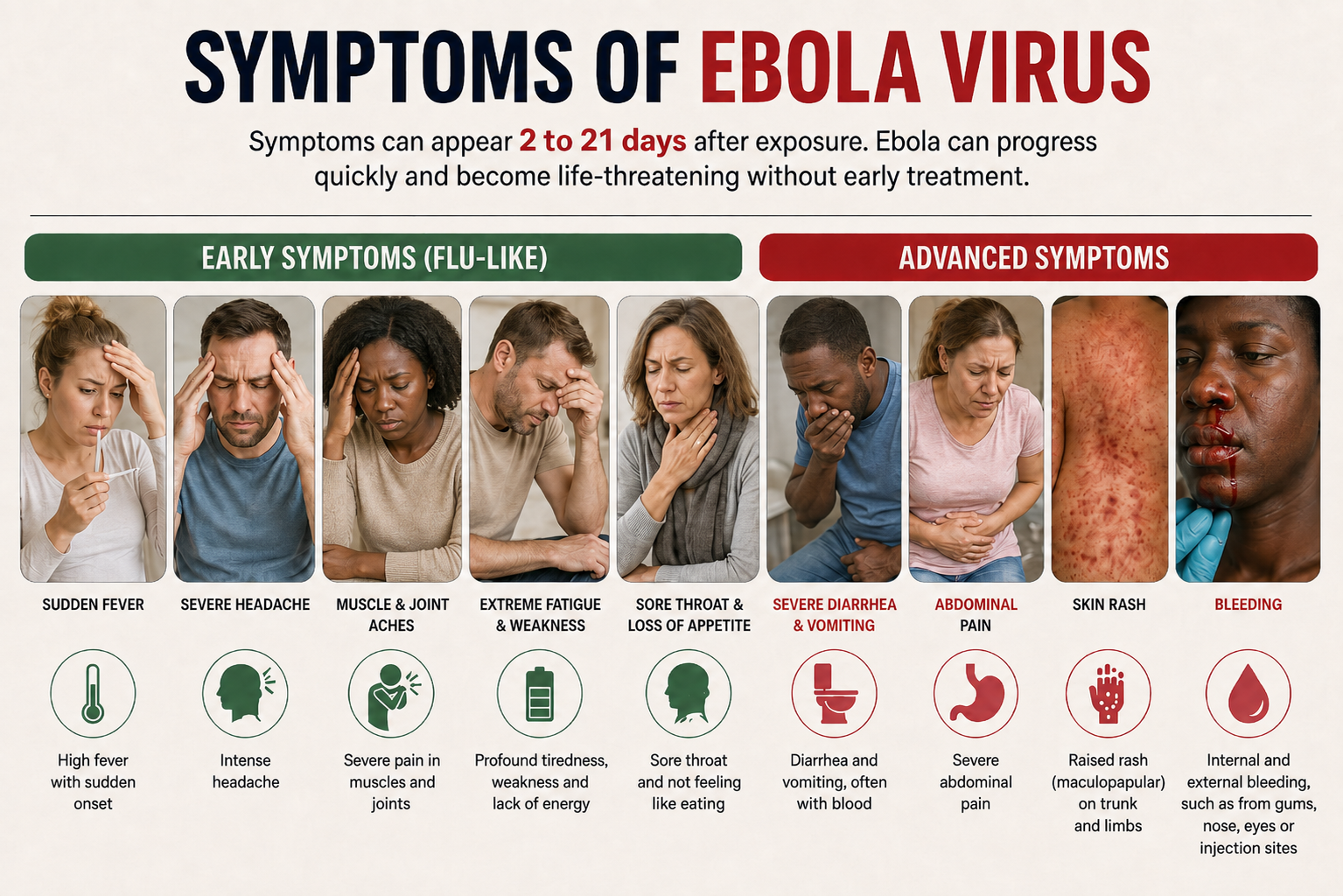
Despite Ebola's reputation as a “haemorrhagic fever,” significant bleeding does not occur in every patient and is generally a less frequent, later feature. Some people may develop unexplained internal or external bleeding.
How Is Ebola Diagnosed?
A suspected case requires specialised laboratory testing. PCR blood testing is commonly used to detect viral genetic material, while other tests may detect viral antigens or antibodies.
Because early Ebola symptoms can closely resemble malaria, typhoid, dengue and other infections, laboratory confirmation is extremely important.
Treatment
Early medical care can significantly improve the chance of survival.
Supportive Care
Treatment may include:
- Oral or intravenous fluids.
- Electrolyte replacement.
- Oxygen when required.
- Maintaining healthy blood pressure.
- Treatment for vomiting, diarrhoea, fever and pain.
- Nutritional support.
- Treatment of other infections when present.
Early intensive supportive care, particularly prompt replacement of lost fluids and electrolytes, improves survival.
Possible Complications
Severe Ebola disease can affect several body systems at the same time.
Complications may include:
- Severe dehydration and electrolyte disturbances.
- Dangerously low blood pressure and shock.
- Abnormal blood clotting and bleeding.
- Kidney and liver dysfunction.
- Neurological complications such as confusion.
- Failure of several organs in critically ill patients.
Prompt hospital treatment is essential because patients can deteriorate rapidly.
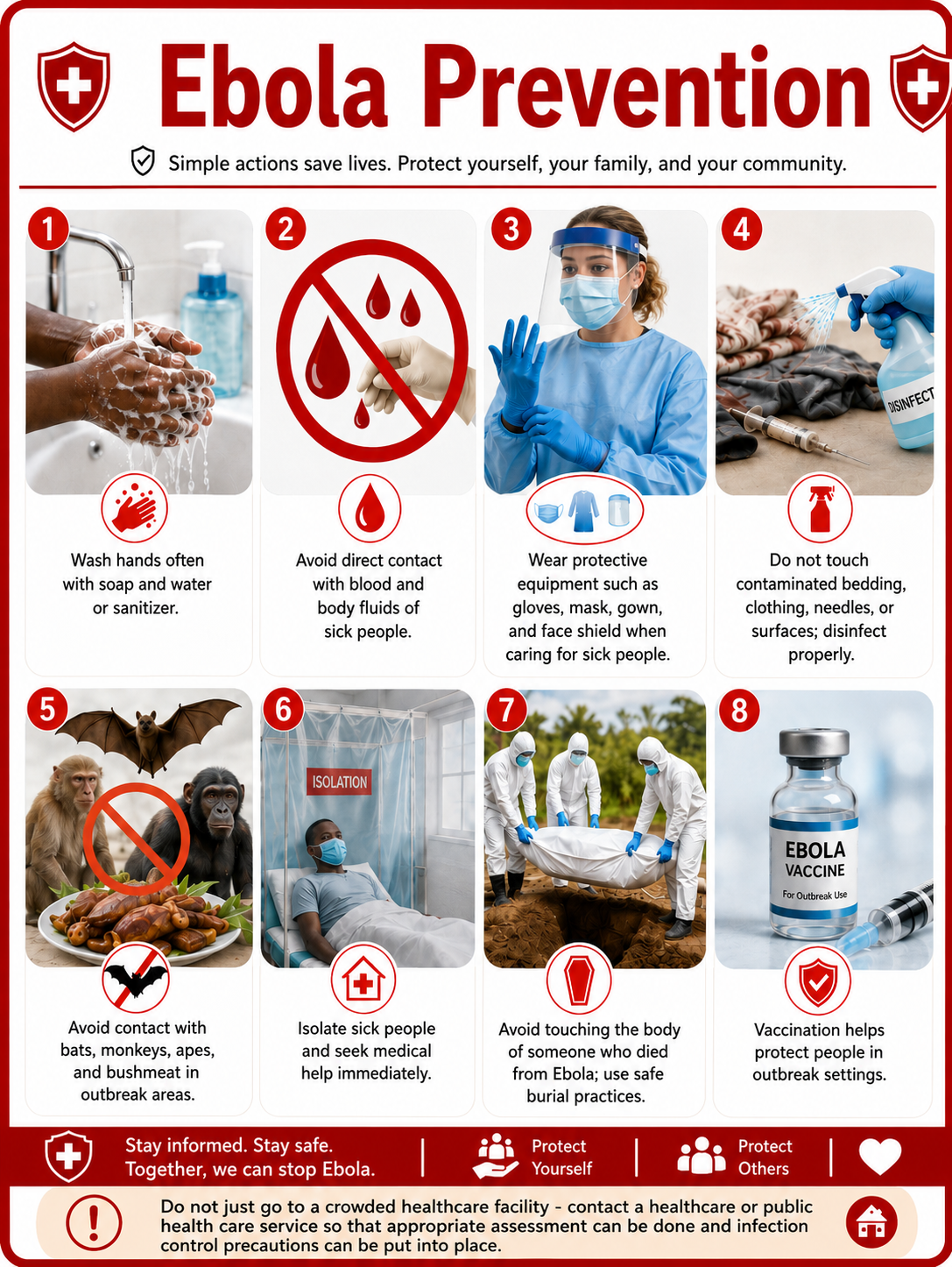
Preventing Ebola
Ebola outbreaks are controlled through a combination of medical care, infection prevention, contact tracing and community cooperation. WHO emphasises early identification, safe patient care, laboratory testing, surveillance, contact tracing, safe burials and community engagement.
Avoid Contact With Body Fluids
Avoid direct contact with the blood or other bodily fluids of anyone suspected or confirmed to have Ebola disease.
Use Personal Protective Equipment
Healthcare workers caring for suspected or confirmed patients require appropriate PPE and strict infection-control procedures.
Practice Careful Hand Hygiene
Wash hands thoroughly with soap and water or use an appropriate alcohol-based hand sanitiser when recommended.
Avoid Contaminated Objects
Do not handle clothing, bedding, needles or medical equipment that may have been contaminated with infected body fluids unless properly trained and protected.
Use Safe and Dignified Burial Practices
People who have died from Ebola can still transmit the virus. Specially trained teams should therefore manage preparation and burial while respecting families and cultural practices.
Avoid High-Risk Wildlife Exposure
In outbreak areas, avoid handling sick or dead wild animals and avoid raw or undercooked bushmeat from animals associated with Ebola risk.
Ebola Vaccination
Ervebo is a licensed vaccine that protects against disease caused by Zaire ebolavirus. The FDA currently indicates it for individuals aged 12 months and older.
It is important to understand that Ervebo is not considered an effective vaccine for Bundibugyo virus disease. WHO states that there is currently no licensed vaccine for Bundibugyo virus disease, although candidate vaccines are under development.
Monoclonal Antibody Treatments
Two important treatments, Inmazeb and Ebanga, have been approved in the United States for infection caused by Zaire ebolavirus. These monoclonal antibodies target the virus and can improve outcomes when used appropriately.
However, this distinction is crucial:
These approved medicines are for Ebola disease caused by Zaire ebolavirus and are not approved treatments for the Bundibugyo virus responsible for the 2026 outbreak.
For Bundibugyo virus disease, supportive care remains central while researchers investigate potential vaccines and treatments.
Life After Ebola: Post-Ebola Health Problems
Recovery does not always mean that every symptom disappears immediately. Some survivors experience persistent health problems such as:
- Fatigue
- Joint or muscle pain
- Headaches
- Eye inflammation or vision problems
- Hearing difficulties
- Sleep problems
- Emotional or psychological difficulties
Survivors may require continued medical monitoring and rehabilitation.
Final Thoughts
Ebola is frightening because it can become extremely serious, but understanding how it actually spreads is one of the most powerful tools against fear and misinformation.
It is not an airborne illness that simply passes between people sharing the same public space. Transmission is closely linked to direct exposure to infected body fluids or contaminated materials, which means rapid diagnosis, careful infection control, safe patient care and community cooperation can dramatically interrupt transmission.
The 2026 Bundibugyo outbreak also reminds us why identifying the exact virus matters. For the current outbreak, early supportive medical care, rapid isolation, contact tracing, infection prevention and community engagement remain vital while researchers continue working on targeted vaccines and treatments.


- News & Current Affairs
- Business & Economy
- Finance & Money
- Education & Learning
- Technology & Innovation
- Science & Environment
- Health & Wellness
- Food & Drink
- Home, Garden & Lifestyle
- Travel & Tourism
- Fashion & Beauty
- Art & Culture
- Entertainment & Media
- Sports & Recreation
- Personal Growth & Lifestyle
- Careers & Work
- Tutorials & How-To Guides
- Real Estate & Property
- Automotive
- Family & Relationships
- Environment & Sustainability
- Law & Legal Matters
- Gaming & Esports
- Religion & Spirituality
- Community & Local Voices
- Miscellaneous
- History