


Dolphins: The Brilliant Acrobats of the Ocean

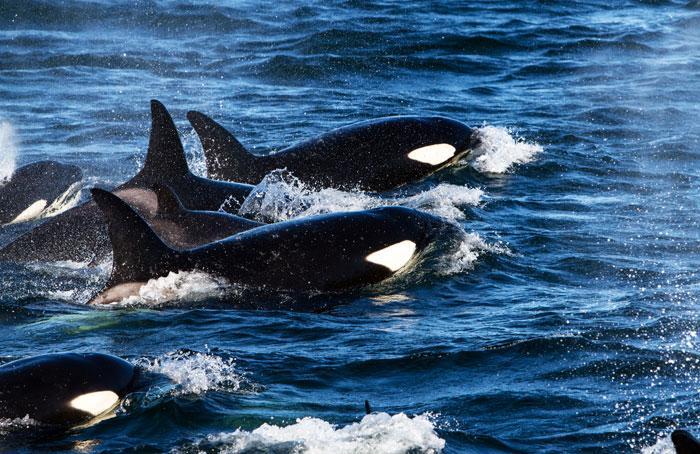
There are more than 40 species of dolphins worldwide, ranging from the tiny Maui dolphin to the enormous orca, also known as the killer whale, the largest member of the dolphin family.
Fast, playful, and remarkably intelligent, dolphins are among the ocean’s most fascinating creatures. These highly social marine mammals belong to the cetacean family and are found in seas and rivers around the world. With their sleek bodies, impressive communication skills, and close family bonds, dolphins continue to captivate scientists and nature lovers alike.
Physical Description
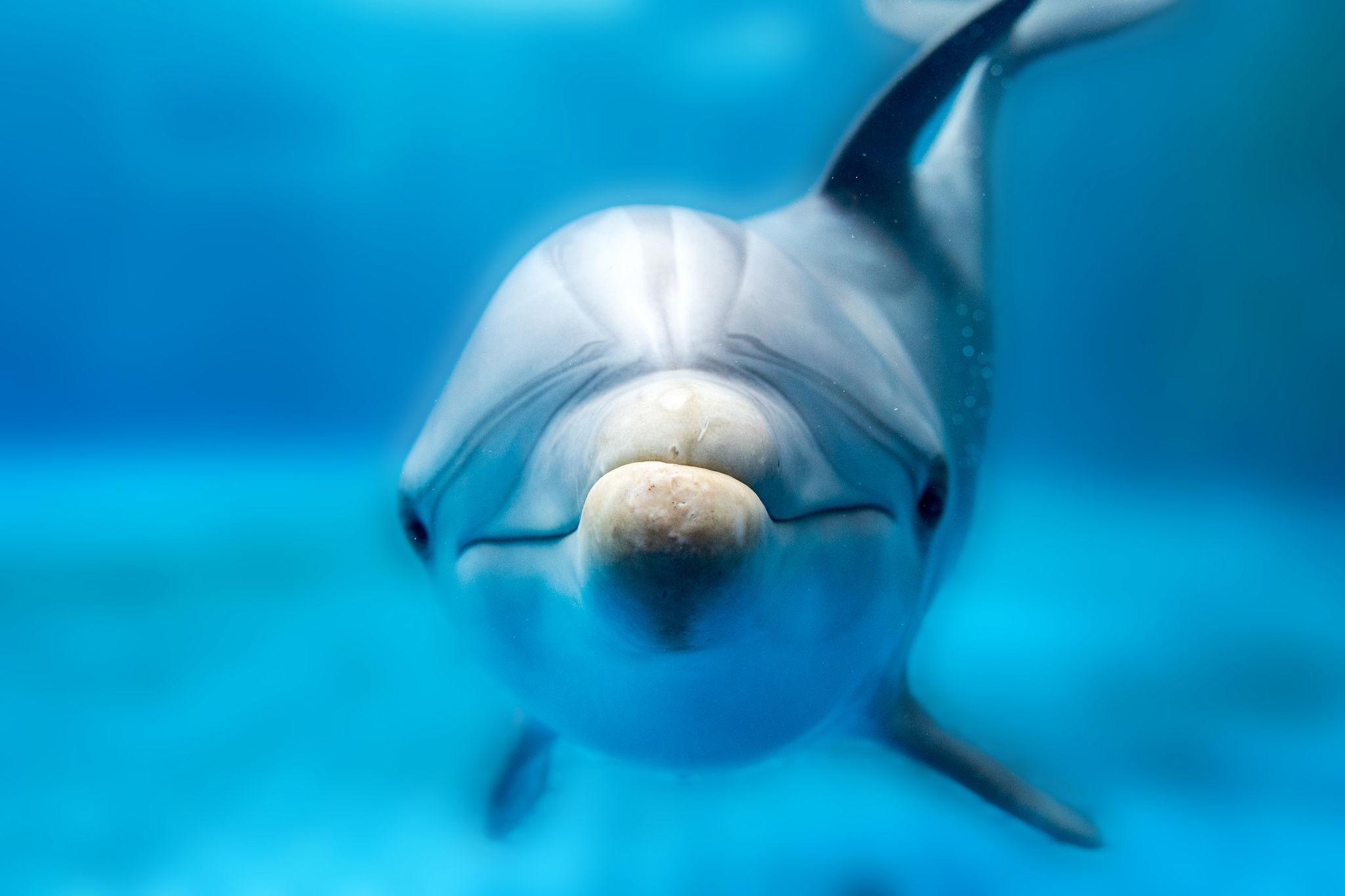
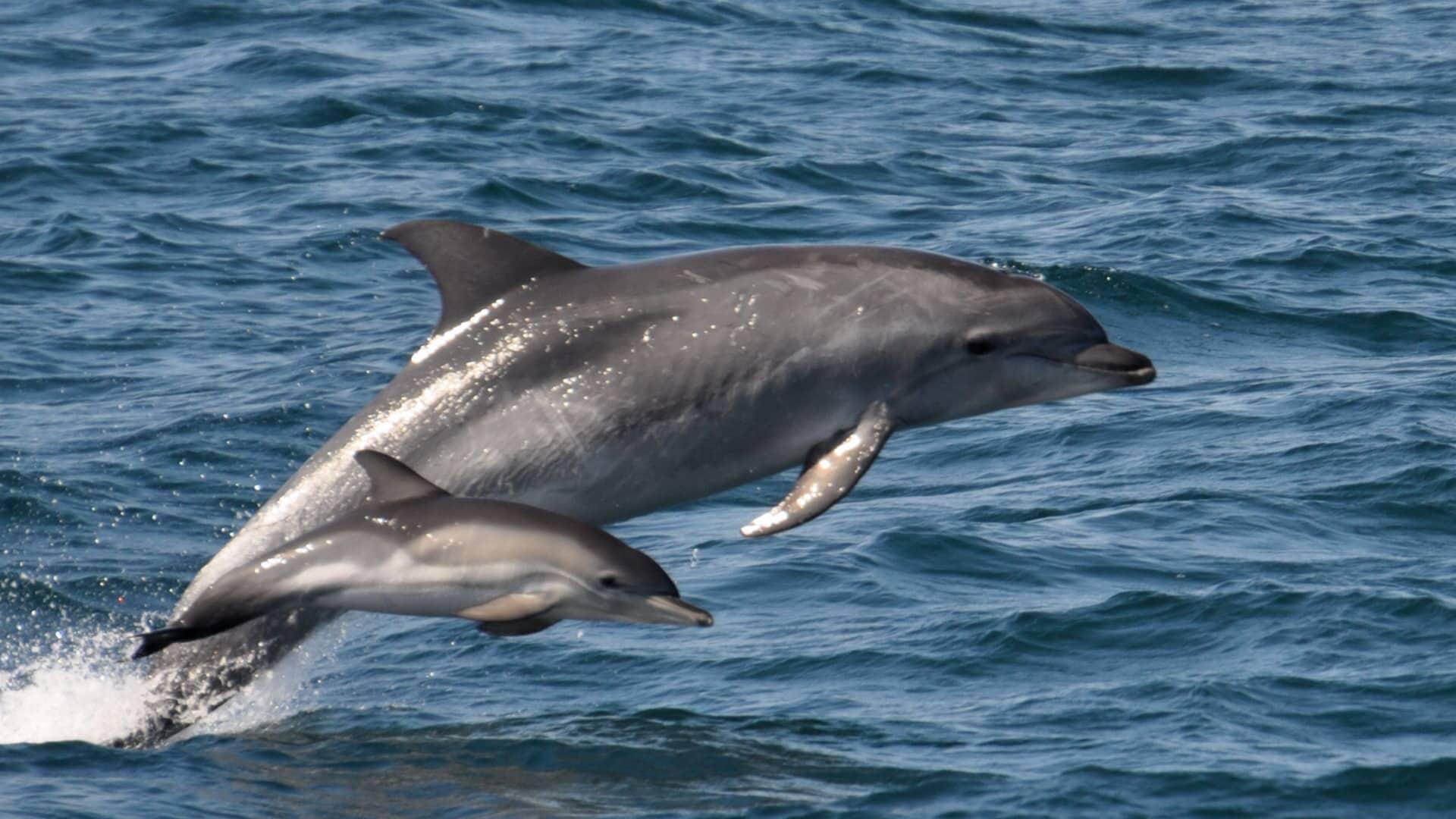
Built for life in the water, dolphins have smooth, streamlined bodies designed for speed and agility. Their curved dorsal fin acts like a stabilizer, helping them maintain balance as they swim. Strong pectoral flippers on their sides allow precise steering, while powerful horizontal tail flukes drive them through the water with graceful up-and-down movements.
Unlike fish, dolphins are warm-blooded mammals. They breathe air through a single blowhole located on top of the head, surfacing regularly for oxygen. Beneath their skin lies a thick layer of blubber that helps them stay warm in cooler waters.
Size and Weight
Most oceanic dolphins measure between 2 and 3 meters (7–10 feet) long, but sizes vary dramatically. Maui dolphins may weigh as little as 50 kilograms, while massive orcas can stretch nearly 10 meters (32 feet) in length and weigh up to 10 metric tons.
Unique Adaptations
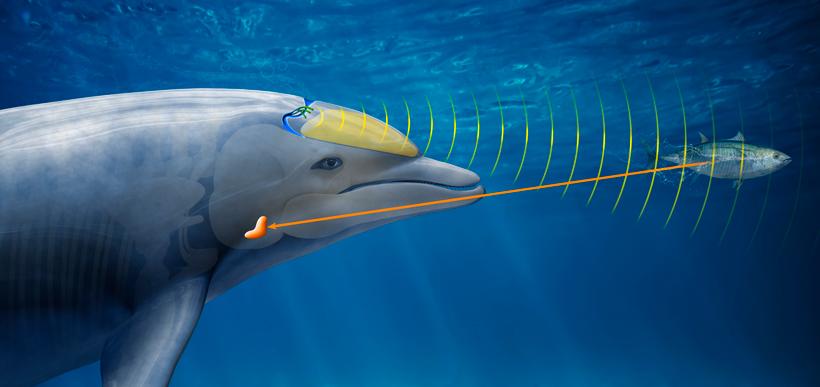
Dolphins possess extraordinary survival skills. One of their most remarkable adaptations is echolocation, a biological sonar system that allows them to “see” using sound. By sending out sound waves and listening to the returning echoes, dolphins can detect prey, judge distances, and navigate even in dark or murky waters.
Another astonishing ability is how they sleep. Since dolphins must surface to breathe, they cannot completely switch off their brains. Instead, they rest one half of the brain at a time, keeping the other half alert, often with one eye still open.
Distribution and Habitat
Dolphins inhabit every ocean on Earth, from tropical waters to colder sub-polar regions. While most species live in marine environments, a small number of river dolphins thrive in freshwater systems across parts of Asia and South America.
Their habitats range from shallow coastal bays and estuaries to the vast open ocean, shaped mainly by water temperature, food availability, and migration routes.
Social Structure and Behaviour
Dolphins are deeply social animals that live in groups called pods. Within these communities they hunt, play, travel, and raise young together. Communication is central to dolphin life, involving an intricate mix of clicks, whistles, and squeaks.
Each dolphin even develops a unique “signature whistle”, functioning much like a personal name used for identification.
Their social lives reveal striking emotional intelligence. Dolphins have been observed helping injured pod members, supporting struggling calves, and mourning their dead. Social bonding is reinforced through synchronized swimming, gentle touching, and “pec rubs”, the rubbing of pectoral fins.
Many species live within a flexible fission–fusion society, where pod members frequently split into smaller groups and reunite depending on food availability, social needs, or daily activity.
Diet and Feeding
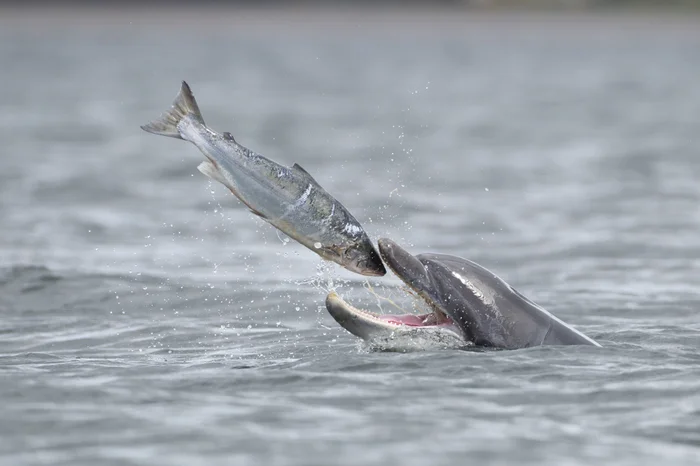
Dolphins are carnivorous predators that feed mainly on fish, squid, and crustaceans. Using teamwork, strategy, and echolocation, they employ sophisticated hunting methods to capture prey. Some species herd fish into tight balls, while others cooperate to corner prey in shallow waters.
Rather than chewing, dolphins use their conical teeth to grip prey before swallowing it whole.
Reproduction and Lifespan
Dolphin reproduction is closely tied to strong maternal care. Females give birth to a single calf every 3 to 6 years, pregnancies lasting between 9 and 17 months, depending on the species. Newborn calves arrive tail-first and are quickly guided to the surface for their first breath.
Young dolphins may nurse for up to four years and remain with their mothers for 3 to 6 years while learning essential hunting, communication, and survival skills. In some pods, other females assist by protecting, guiding, or “babysitting” calves.
Depending on the species, dolphins can live between 20 and 50 years, with some individuals surviving well beyond 60 years.
Treats and Survival
Although dolphins often appear curious and friendly, they are protected wild animals. Feeding, chasing, touching, or harassing dolphins can disrupt their natural behaviour and place both animals and humans at risk. If a dolphin is stranded or distressed, the safest action is to keep your distance and contact trained marine wildlife professionals immediately.
Conclusion
Dolphins are far more than playful ocean performers, they are intelligent, emotional, and highly adapted mammals living within complex social worlds beneath the waves. Their ability to communicate, cooperate, and care for one another offers a powerful reminder that the ocean is filled with minds and societies very different from our own, yet surprisingly familiar. Protecting dolphins means protecting the fragile marine ecosystems they call home.


- News & Current Affairs
- Business & Economy
- Finance & Money
- Education & Learning
- Technology & Innovation
- Science & Environment
- Health & Wellness
- Food & Drink
- Home, Garden & Lifestyle
- Travel & Tourism
- Fashion & Beauty
- Art & Culture
- Entertainment & Media
- Sports & Recreation
- Personal Growth & Lifestyle
- Careers & Work
- Tutorials & How-To Guides
- Real Estate & Property
- Automotive
- Family & Relationships
- Environment & Sustainability
- Law & Legal Matters
- Gaming & Esports
- Religion & Spirituality
- Community & Local Voices
- Miscellaneous
- History