


Pregnancy and Morning Sickness: What to Expect and How to Cope

Morning sickness is one of the most common early pregnancy symptoms, yet its name can be misleading. Nausea and vomiting can occur at any time of the day or night, not just in the morning. Around 75% of pregnant women experience morning sickness, often starting as early as weeks 5 or 6 of pregnancy.
For most women, symptoms ease or disappear by the end of the first trimester, although the experience varies from person to person.
What Causes Morning Sickness?
The exact cause of morning sickness is still unknown, but experts believe it is closely linked to rising pregnancy hormones—particularly human chorionic gonadotropin (HCG).
HCG, often called the pregnancy hormone, is the hormone detected in pregnancy tests. It plays a crucial role in maintaining pregnancy by supporting other hormonal changes and by preventing menstruation. HCG levels rise rapidly in early pregnancy.
When Nausea Becomes More Serious
Even without vomiting, persistent nausea can be exhausting and disruptive to daily life. However, medical attention is important if symptoms become severe.
Contact your gynaecologist if you experience:
- Persistent vomiting
- Dehydration
- Inability to keep down food or fluids
- Weight loss
- Dizziness or fainting
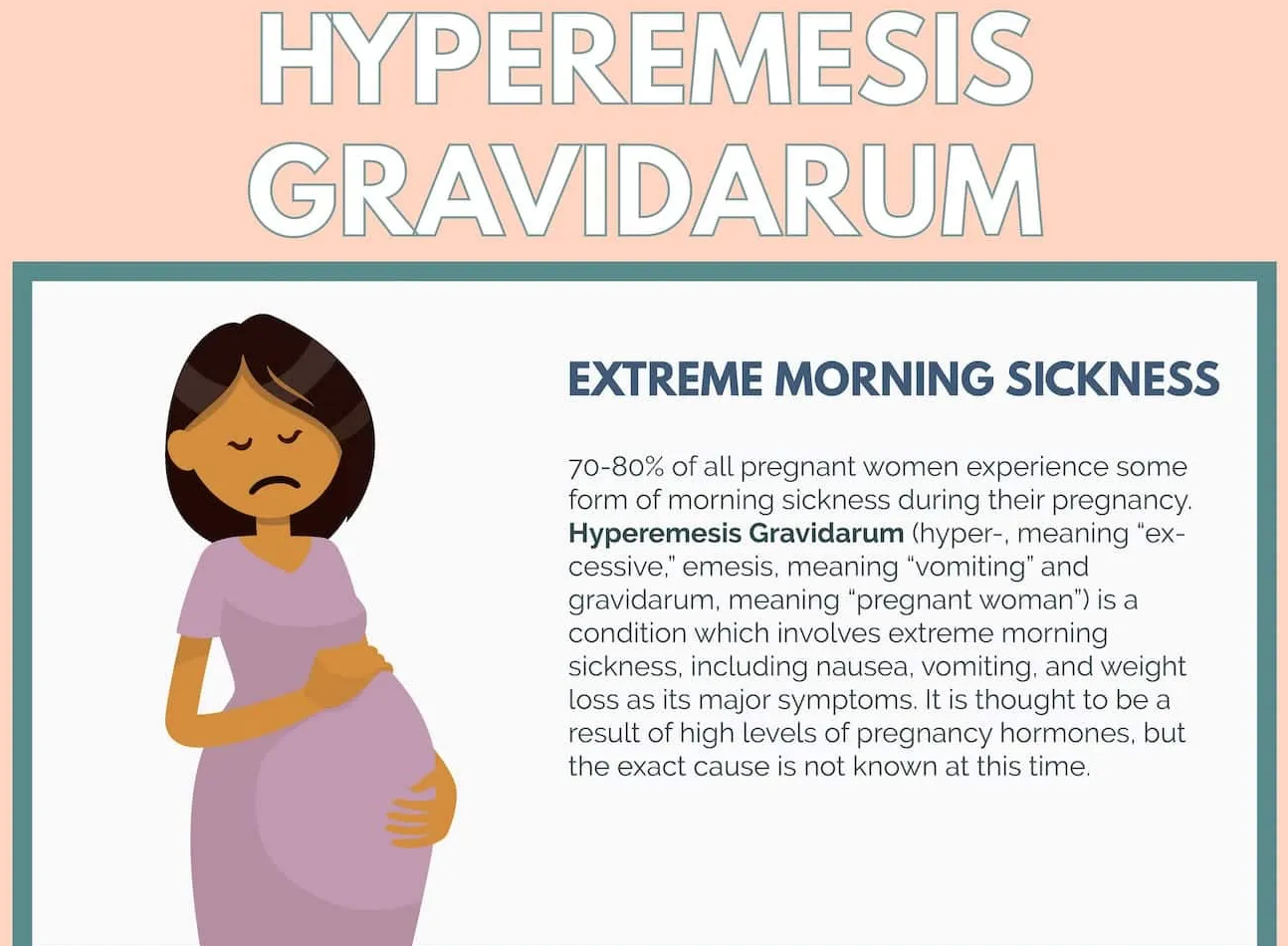
These may be signs of hyperemesis gravidarum, a severe form of pregnancy-related vomiting. Treatment may require short-term hospital admission, temporary cessation of oral intake, and rehydration through an intravenous drip. Once symptoms improve, food is gradually reintroduced, and most women are discharged within a few days.
During the first trimester, normal weight gain is modest, typically around 2 kg (4 lbs).
Managing Morning Sickness Naturally
Simple lifestyle and dietary adjustments can make a significant difference:
- Eat small, frequent meals to avoid an empty stomach
- Don’t stress about eating a balanced diet for this short period, eat whatever you can tolerate
- If brushing your teeth worsens nausea, try changing toothpaste brands
- Ginger (tea, biscuits, or sweets) and lemon drops may reduce nausea for some women
- Eat bland, easy-to-digest foods such as dry toast, potatoes, and plain carbohydrates
- Keep cream crackers by your bedside and eat some before getting out of bed
- Sip fluids throughout the day rather than drinking large amounts at once
- Use acupressure wrist bands, which may help reduce nausea
- Rest when needed and avoid known triggers such as strong smells or certain foods

Final Thoughts
Morning sickness is a common and often reassuring sign of early pregnancy, but that doesn’t make it easy to endure. For most women, symptoms improve as hormone levels stabilise after the first trimester. Listening to your body, eating what you can, staying hydrated, and resting are key.
If nausea becomes overwhelming or interferes with your health, always seek medical advice. Support and treatment are available, and you don’t have to suffer in silence.


- News & Current Affairs
- Business & Economy
- Finance & Money
- Education & Learning
- Technology & Innovation
- Science & Environment
- Health & Wellness
- Food & Drink
- Home, Garden & Lifestyle
- Travel & Tourism
- Fashion & Beauty
- Art & Culture
- Entertainment & Media
- Sports & Recreation
- Personal Growth & Lifestyle
- Careers & Work
- Tutorials & How-To Guides
- Real Estate & Property
- Automotive
- Family & Relationships
- Environment & Sustainability
- Law & Legal Matters
- Gaming & Esports
- Religion & Spirituality
- Community & Local Voices
- Miscellaneous
- History

