


Natural Remedies for Gout: Managing Pain the Natural Way

Gout is a deeply painful form of arthritis caused by a buildup of uric acid crystals in the joints. These sharp crystals commonly settle in the big toe but can also affect the fingers, knees, ankles, and wrists. When uric acid is not properly excreted through the urine, it accumulates, leading to inflammation, swelling, redness, and intense pain.
Normally, uric acid leaves the body via the kidneys. However, factors such as dehydration, poor diet, nutrient deficiencies, metabolic disturbances, crash dieting, excessive alcohol intake, and high consumption of red meat can disrupt this process. The result is strong-smelling, concentrated urine and the formation of painful uric acid crystals.
Natural remedies for gout focus on hydration, dietary changes, and lifestyle adjustments aimed at lowering uric acid levels and easing inflammation. While these approaches can significantly reduce symptoms and help prevent flare-ups, they work best alongside guidance from a healthcare professional.
Dietary Adjustments: The Foundation of Gout Management
Diet plays a vital role in controlling gout. The goal is to reduce purine intake, alkalise the body, and support the natural elimination of uric acid.
Foods to Enjoy
Hydration First
Before anything else, flushing toxins from the body is essential. Drink 6–8 glasses of water daily to dilute urine and help the kidneys eliminate excess uric acid.

Cherries and Tart Cherry Juice
Cherries are rich in anthocyanins—powerful antioxidants known to reduce inflammation and lower uric acid levels. Regular consumption may decrease the frequency of gout attacks.
Low-Fat Dairy Products
Skim milk and low-fat yoghurt are associated with reduced uric acid levels and improved excretion.
Fruits and Vegetables
Most fruits and vegetables are low in purines and high in fibre, vitamins, and antioxidants. Fresh vegetable and fruit juices help alkalise the body, counteracting excess acidity linked to gout.

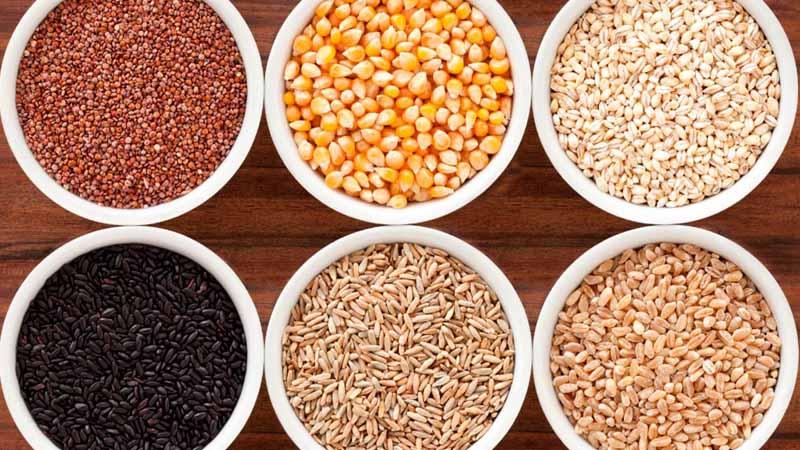
Whole Grains and Legumes
Oats, brown rice, beans, and lentils provide sustained energy and essential nutrients without significantly increasing uric acid.
Coffee (in Moderation)
Studies suggest that caffeinated coffee may reduce gout risk by interfering with enzymes involved in purine metabolism.
Vitamin C-Rich Foods
Foods such as oranges, grapefruits, and broccoli may help lower uric acid levels naturally.
Herbal Support
- Stinging Nettle Tea and Pennywort (Centella asiatica) are traditionally used to help cleanse uric acid from joints.

Nettle Tea Preparation:
Pour 1 cup of boiling water over ¼ cup of fresh stinging nettle leaves. Steep for 5 minutes and sip slowly.
- Take 1 cup daily for 10 days, then rest for 2–4 days before repeating.
- For intense pain, take 2–4 cups daily for 4–5 days, then stop.
Caution: When harvesting nettle, wear gloves. Once boiled, the stinging formic acid is neutralised. If stung, apply fresh aloe vera or bulbinella (Bulbine frutescens).
Foods to Limit or Avoid
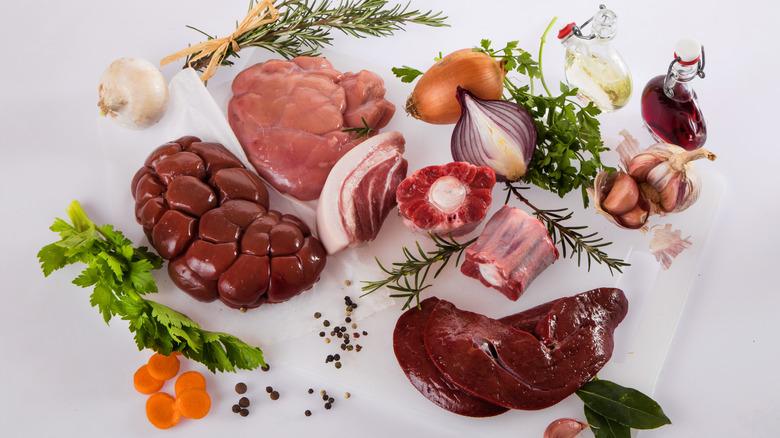
High-Purine Meats
Avoid organ meats such as liver, kidneys, and tongue. Limit red meats like beef, lamb, pork, and venison.
Certain Seafood
Anchovies, sardines, herring, scallops, and mussels are particularly high in purines.
Sugary Drinks and Processed Foods
Fructose-sweetened beverages, sodas, and foods containing high-fructose corn syrup increase uric acid production.
Alcohol
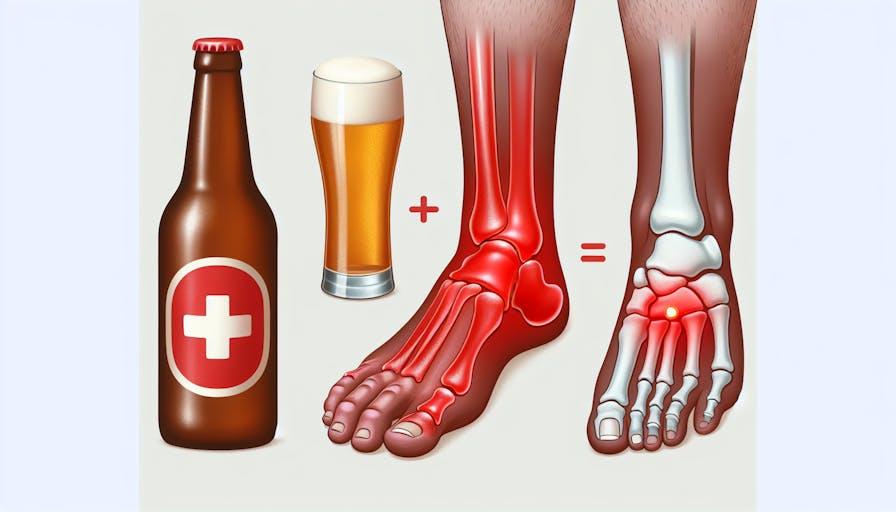
Beer and spirits significantly raise uric acid levels and slow its elimination. During flare-ups, alcohol should be avoided altogether. Wine may be less problematic but should still be limited.
Refined Foods and Yeast Products
Avoid white bread, doughnuts, sugary buns, and yeast-containing foods.
Salt and Sugar
Excess salt and sugar can increase sodium urate crystal formation.
Nightshade Vegetables
Tomatoes, potatoes, bell peppers, chillies, brinjals (aubergines), and plantains may intensify uric acid crystal formation in sensitive individuals.
Lifestyle and Home Remedies
Stay Hydrated
Aim for at least 8 glasses of water daily, increasing intake during flare-ups.
Hot and Cold Therapy
Apply a cold compress for 20 minutes to reduce swelling and pain. When inflammation eases, alternating hot and cold applications can improve circulation.

Hot and Cold Showers
Alternating hot and cold showers may help stimulate detoxification. First hot then cold. Use a loofah sponge with natural soap and Epsom salts to support skin detoxification.
Epsom Salt Baths
Soak in a warm bath with 1 cup of Epsom salts, 2–3 times per week, to help draw toxins from the body.
Rest and Elevation
Rest the affected joint and elevate it to reduce swelling.
Weight Management
Maintaining a healthy weight reduces uric acid levels and lowers the risk of flare-ups. Avoid crash dieting, which can worsen gout.
Moderate Exercise
Gentle daily movement supports circulation and overall metabolic health.
Supplements and Natural Support (With Caution)
Always consult a healthcare provider before starting supplements.
- Ginger: Anti-inflammatory; helpful as tea or compress
- Celery or Celery Seeds: Traditionally used for urinary and joint support
- Omega-3 Oils: Help reduce inflammation

- Vitamin C: May lower uric acid levels
- Probiotics: Restore healthy gut bacteria
- Milk Thistle: Supports liver detoxification

- Devil’s Claw: Traditional remedy for arthritis and gout
- Folic Acid: May assist in uric acid regulation (doctor-guided)
Gout Medications:
Gout medications are used to relieve pain during flare-ups and to prevent future attacks by lowering uric acid levels. During acute gout attacks, NSAIDs such as ibuprofen or naproxen, or colchicine, are normally prescribed to reduce pain and inflammation. In more severe cases, or when other medications are not tolerated, corticosteroids like prednisone may be used.
For long-term management, uric acid–lowering medications such as allopurinol or febuxostat help prevent crystal formation and reduce the frequency of attacks. While these medications are effective, they can cause side effects, including stomach irritation (NSAIDs) or skin rashes (allopurinol), making medical supervision essential.
When combined with healthy lifestyle choices and proper medical guidance, gout medications can significantly improve quality of life and protect long-term joint health.
Final Thoughts
Gout may be painful, but it is also highly manageable with the right natural approach. By prioritising hydration, reducing inflammatory foods, supporting detoxification, and making mindful lifestyle changes, many people experience fewer flare-ups and improved joint comfort.
Natural remedies work best when used consistently and responsibly, alongside professional medical advice, especially for those with kidney disease, diabetes, or ongoing medication use. Listening to your body and supporting it gently can make all the difference on the road to long-term relief.


- News & Current Affairs
- Business & Economy
- Finance & Money
- Education & Learning
- Technology & Innovation
- Science & Environment
- Health & Wellness
- Food & Drink
- Home, Garden & Lifestyle
- Travel & Tourism
- Fashion & Beauty
- Art & Culture
- Entertainment & Media
- Sports & Recreation
- Personal Growth & Lifestyle
- Careers & Work
- Tutorials & How-To Guides
- Real Estate & Property
- Automotive
- Family & Relationships
- Environment & Sustainability
- Law & Legal Matters
- Gaming & Esports
- Religion & Spirituality
- Community & Local Voices
- Miscellaneous
- History