


Natural Remedies for Earache: Safe, Simple & Effective Relief

Earaches can strike suddenly and cause sharp discomfort, pressure, or a dull persistent ache. The good news? Most ear pain improves on its own within 2–3 days, and natural remedies can offer fast, soothing relief while your body heals.
This guide shares trusted, time-tested home remedies made from everyday ingredients — perfect for mild ear pain caused by colds, sinus pressure, or earwax buildup.
1. Warm Compress — Gentle Heat for Instant Relief
A warm compress is one of the simplest and most effective ways to calm ear pain.
Warmth increases blood flow, relaxes tight muscles, and helps trapped fluid drain more easily.
How to use it:
- Soak a clean cloth in comfortably warm water
- Wring it out so it’s damp, not dripping
- Hold it over the sore ear for 15–20 minutes
- Repeat several times daily as needed

2. Garlic Oil Drops — Nature’s Powerful Antimicrobial
Garlic has been used for centuries because of its natural antibacterial and anti-inflammatory properties. The compound allicin helps fight infection and reduce swelling.
Make garlic oil at home:
- Crush a fresh garlic clove
- Warm it gently with olive or coconut oil until fragrant
- Strain and cool to body temperature
- Place 2–3 drops in the sore ear using a clean dropper

3. Olive Oil — Soothes Earwax-Related Discomfort
If your earache is caused by hardened earwax, warm olive oil may bring relief. It softens wax naturally and helps it clear out on its own.
How to use it:
- Warm the oil slightly (test on wrist)
- Lie down with the sore ear facing up
- Add 2–3 drops into the ear canal
- Stay in position for 5–10 minutes
- Wipe away any extra oil

4. Steam Inhalation — Opens Sinuses & Relieves Pressure
Ear pain often comes from blocked Eustachian tubes. Steam helps thin mucus so your ears and sinuses can drain properly.
How to steam safely:
- Boil water and place the pot on a safe surface
- Cover your head with a towel
- Inhale steam for 5–10 minutes
- A hot shower works too
Best for ear pain caused by colds, sinus pressure, or allergies.

5. Warm Salt Pack — Natural Inflammation Relief
Salt holds heat for longer and gently draws out moisture, reducing swelling around the ear.
How to make one:
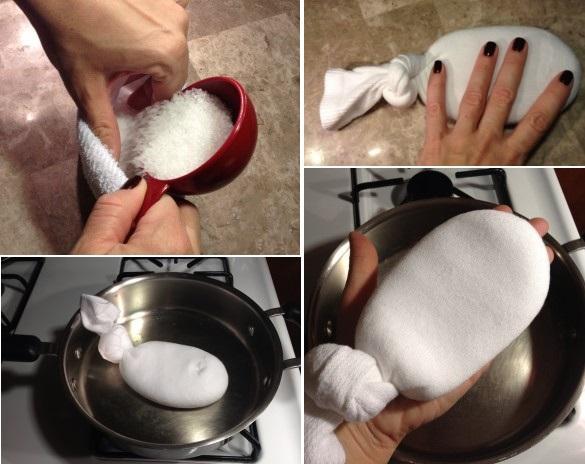
- Fill a clean cotton sock with coarse sea salt
- Tie it closed
- Heat it in a pan for 4–6 minutes
- Place it on the ear and jaw area
6. Ginger Juice — Anti-Inflammatory Support
Ginger contains gingerol, a powerful anti-inflammatory compound that reduces pain in surrounding ear tissues.
How to apply it:
- Grate fresh ginger and extract the juice
- Mix with a little warm olive oil
- Apply around (not inside) the outer ear canal
- Let it sit for 15–20 minutes

7. Onion Compress for Earache Relief
Onions contain antibacterial and anti-inflammatory properties that can help soothe ear discomfort naturally. Here’s how to prepare and use one safely:
Warm the Onion
Chop an onion into a few chunks and place the pieces inside a thin cloth or towel. Warm it gently — either by holding it over steam or microwaving it for about a minute. Make sure it’s warm, not hot, to avoid burning the skin.
Apply the Compress
Place the warm, onion wrapped in a cloth directly over the affected ear.
Let It Work
Allow the compress to sit for 10–15 minutes. The gentle heat, combined with the onion’s natural compounds, can help ease pain and encourage fluid drainage.

8. Qigong-Inspired Ear Massage for Better Circulation
Qigong, an ancient Chinese healing practice, focuses on gentle movement, energy flow, and restoring balance in the body. A simple Qigong-style massage can help stimulate circulation, relax the tissues around the ear, and encourage drainage of trapped fluid in the ear canal.

How to do it:
- Place your middle finger in front of your ear and your index finger behind it, forming a gentle “V” shape.
- Start near the earlobe, pressing firmly but comfortably.
- Glide your fingers upward along the sides of the ear, maintaining the V shape, until you reach the top.
- Release the pressure at the top, then return to the starting position.
- Repeat this motion 20–25 times, twice a day, for best results.
This rhythmic massage can help ease congestion and support natural drainage.
9. Drink & Gargle to Encourage Natural Drainage
Staying hydrated plays a bigger role in ear health than many people realize. Drinking plenty of fluids helps thin mucus in the sinuses and Eustachian tubes, making it easier for the ears to drain.
Even more helpful is the simple act of swallowing. Every swallow activates small muscles around the Eustachian tube, encouraging it to open and release trapped pressure.
Try these tips:
- Keep a bottle of water nearby and sip throughout the day.
- Choose warm liquids like herbal teas or warm lemon water to soothe inflammation.
- Gargle with warm salt water to relax the throat muscles and support drainage—this has a similar effect to swallowing and can help relieve pressure.

These gentle, natural techniques pair beautifully with other home remedies to ease ear discomfort and promote healing.
10. Blow Gently to Prevent Ear Pressure and Infection
When you’re dealing with a cold or sinus congestion, it’s important to blow your nose gently. Forceful blowing can push mucus and bacteria back toward the middle ear through the Eustachian tube, increasing the risk of an ear infection or worsening existing pain.
Instead, blow softly—one nostril at a time—and use saline sprays or steam inhalation to loosen mucus without adding extra pressure on the ears.

11. Sleep Elevated to Support Natural Drainage
Nighttime can make ear pressure feel worse because fluids tend to settle when you lie flat. Elevating your head helps keep the Eustachian tubes open and encourages trapped fluid to drain more easily.
Try this:
- Use an extra pillow or a wedge pillow
- Sleep slightly propped up in a reclined position
- Avoid lying on the affected ear

This simple shift can reduce discomfort, improve drainage, and help you rest more comfortably while your body heals.
When Home Remedies Are Enough
Natural remedies work best when:
✔ Symptoms are mild
✔ Pain has lasted under 48 hours
✔ No fluid is draining from the ear
✔ Fever stays below 39°C (102.2°F)
✔ Overall health is good
When to See a Doctor
Seek medical attention if you experience:
⚠ Pain lasting longer than 2–3 days
⚠ Severe or worsening symptoms
⚠ Fever above 39°C (102.2°F)
⚠ Fluid leaking from the ear (pus, blood, foul-smelling)
⚠ Dizziness, facial weakness, or severe headaches
⚠ Swelling behind the ear
⚠ Ear pain in babies under 6 months
⚠ Ear pain in children under 2 affecting both ears
These may indicate an infection that requires medical treatment.
Final Thoughts
Earaches are uncomfortable but often manageable at home with simple, natural remedies that soothe, reduce inflammation, and support healing. From warm compresses and garlic oil to steam and ginger, these solutions are safe, effective, and budget-friendly.
However, always listen to your body. Persistent, sever, or unusual symptoms require medical attention, especially in infants and young children. Natural remedies are wonderful, but knowing when to seek help ensures proper healing and prevents complications.


- News & Current Affairs
- Business & Economy
- Finance & Money
- Education & Learning
- Technology & Innovation
- Science & Environment
- Health & Wellness
- Food & Drink
- Home, Garden & Lifestyle
- Travel & Tourism
- Fashion & Beauty
- Art & Culture
- Entertainment & Media
- Sports & Recreation
- Personal Growth & Lifestyle
- Careers & Work
- Tutorials & How-To Guides
- Real Estate & Property
- Automotive
- Family & Relationships
- Environment & Sustainability
- Law & Legal Matters
- Gaming & Esports
- Religion & Spirituality
- Community & Local Voices
- Miscellaneous
- History