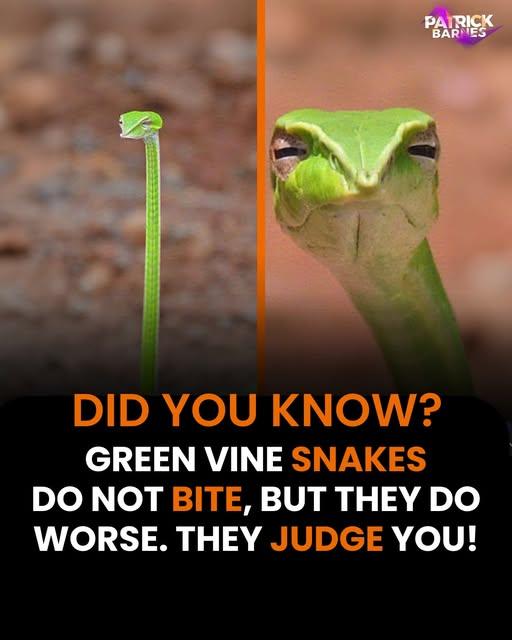
• More locks at AC Reptiles 🐍🥳
    Hypo & Coral Glow Chocolate leo pos hypo
    More locks at AC Reptiles 🐍🥳 Hypo & Coral Glow Chocolate leo pos hypo
    Like
    Love
    3
    0 Comments 0 Shares 1K Views 0 Reviews
  • Discover something truly unique with AC Reptiles

    Specialising in beautiful, well-cared-for exotic reptiles, raised with passion and attention to detail.

    Whether you’re an enthusiast or simply curious, there’s always something fascinating to see and learn. Quality, care, and professionalism are at the heart of everything we do.

    Follow AC Reptiles to explore more and connect with a community that appreciates these incredible creatures.

    #ACReptiles
    Discover something truly unique with AC Reptiles Specialising in beautiful, well-cared-for exotic reptiles, raised with passion and attention to detail. Whether you’re an enthusiast or simply curious, there’s always something fascinating to see and learn. Quality, care, and professionalism are at the heart of everything we do. Follow AC Reptiles to explore more and connect with a community that appreciates these incredible creatures. #ACReptiles
    Like
    Love
    6
    0 Comments 0 Shares 10K Views 0 Reviews
  • 🔥 AC REPTILES 🔥

    **Quality Ball Pythons You Can Trust**

    Looking for your next stunning addition? 🐍✨

    At AC Reptiles, we specialize in **healthy, high-quality ball pythons** with incredible morphs and eye-catching patterns that truly stand out.

    Whether you're a seasoned collector or just starting your reptile journey, we’ve got something for you:
    ✔️ Carefully bred & well-started snakes
    ✔️ Beautiful, unique morphs
    ✔️ Friendly support & honest service

    💬 Message us today to see what’s available
    🤝 Trusted by the reptile community

    Don’t miss out on your next dream snake—your perfect ball python is waiting! 🐍💛

    #ACReptiles #BallPythons #ReptileCommunity #SnakeLovers #Morphs #ReptileLife #exoticpets

    https://mysa.social/pages/ACReptiles
    🔥 AC REPTILES 🔥 **Quality Ball Pythons You Can Trust** Looking for your next stunning addition? 🐍✨ At AC Reptiles, we specialize in **healthy, high-quality ball pythons** with incredible morphs and eye-catching patterns that truly stand out. Whether you're a seasoned collector or just starting your reptile journey, we’ve got something for you: ✔️ Carefully bred & well-started snakes ✔️ Beautiful, unique morphs ✔️ Friendly support & honest service 💬 Message us today to see what’s available 🤝 Trusted by the reptile community Don’t miss out on your next dream snake—your perfect ball python is waiting! 🐍💛 #ACReptiles #BallPythons #ReptileCommunity #SnakeLovers #Morphs #ReptileLife #exoticpets https://mysa.social/pages/ACReptiles
    Like
    Love
    5
    0 Comments 0 Shares 17K Views 0 Reviews
  • ACReptiles have a look at this
    ACReptiles have a look at this
    Love
    Haha
    3
    0 Comments 0 Shares 11K Views 0 Reviews
  • Welcome to the best platform to market your small business.

    ACR Reptiles took our R300 package deal - you can too.

    Please support our businesses by like and share.

    https://mysa.social/pages/ACReptiles

    Would you like to ad your business too?

    Just contact us: 072 578 0177 or email outreach@mysa.social for more info.
    Welcome to the best platform to market your small business. ACR Reptiles took our R300 package deal - you can too. Please support our businesses by like and share. https://mysa.social/pages/ACReptiles Would you like to ad your business too? Just contact us: 072 578 0177 or email outreach@mysa.social for more info.
    Love
    Like
    3
    0 Comments 0 Shares 18K Views 0 Reviews
  • IN A NUTSHELL

    How Did Life on Land Begin?


    Life on land didn’t just appear overnight, it was a slow and fascinating journey. It all started with plants. The very first were simple forms like algae. Over millions of years, these evolved into mosses and liverworts, then later into ferns and eventually much larger, more complex plants.

    Animals only began leaving the sea after these plants were well established - otherwise, there wouldn’t have been anything for them to eat. The first creatures to venture onto land were relatives of spiders and scorpions. They were small, tough survivors who slowly adapted to life outside the water. Over time, they evolved into bigger and more complex land animals.

    Amphibians soon followed. Their name actually says it all, “amphi” means both, and “bios” means life. So amphibians are animals that live both on land and in water. They spread quickly once they appeared.


    Mammal Fact:

    The very first mammals lived during the time of the dinosaurs. Compared to the massive reptiles around them, they were tiny, almost insignificant, think of creatures like the Glyptodon, which was small compared to the giants of its time.


    How Did Some Fish Become Land Dwellers?

    Around 400 million years ago, some brave (or hungry!) fish began creeping out of the water.
    Why? Mostly to find food, and maybe to avoid becoming someone else’s snack.

    Some early fish could flop or wiggle along on land, but their normal fins weren’t strong enough to lift their bodies off the ground. That’s where unique species like the coelacanth come in. This large, unusual fish—growing up to a meter long, had strange, leg-like fins. Inside those fins were bones similar to those found in early land vertebrates.

    Relatives of the coelacanth had even stronger, bone-reinforced fins that helped them push themselves along, almost like modern crocodiles moving on land. Many ancient fish also developed simple lungs, which gave them a way to breathe air when they left the water.


    Fishy Fact:

    Baryonyx is the only known dinosaur that ate fish. It had enormous claws on its front limbs, the perfect tools for grabbing slippery prey!

    IN A NUTSHELL How Did Life on Land Begin? Life on land didn’t just appear overnight, it was a slow and fascinating journey. It all started with plants. The very first were simple forms like algae. Over millions of years, these evolved into mosses and liverworts, then later into ferns and eventually much larger, more complex plants. Animals only began leaving the sea after these plants were well established - otherwise, there wouldn’t have been anything for them to eat. The first creatures to venture onto land were relatives of spiders and scorpions. They were small, tough survivors who slowly adapted to life outside the water. Over time, they evolved into bigger and more complex land animals. Amphibians soon followed. Their name actually says it all, “amphi” means both, and “bios” means life. So amphibians are animals that live both on land and in water. They spread quickly once they appeared. Mammal Fact: The very first mammals lived during the time of the dinosaurs. Compared to the massive reptiles around them, they were tiny, almost insignificant, think of creatures like the Glyptodon, which was small compared to the giants of its time. How Did Some Fish Become Land Dwellers? Around 400 million years ago, some brave (or hungry!) fish began creeping out of the water. Why? Mostly to find food, and maybe to avoid becoming someone else’s snack. Some early fish could flop or wiggle along on land, but their normal fins weren’t strong enough to lift their bodies off the ground. That’s where unique species like the coelacanth come in. This large, unusual fish—growing up to a meter long, had strange, leg-like fins. Inside those fins were bones similar to those found in early land vertebrates. Relatives of the coelacanth had even stronger, bone-reinforced fins that helped them push themselves along, almost like modern crocodiles moving on land. Many ancient fish also developed simple lungs, which gave them a way to breathe air when they left the water. Fishy Fact: Baryonyx is the only known dinosaur that ate fish. It had enormous claws on its front limbs, the perfect tools for grabbing slippery prey!

    Like
    Love
    16
    0 Comments 0 Shares 7K Views 0 Reviews
  • Did you Know?

    Antarctica is the only continent without reptiles
    Did you Know? Antarctica is the only continent without reptiles
    Love
    Wow
    Like
    5
    0 Comments 0 Shares 7K Views 0 Reviews
  • How Prehistoric Times Are Categorized

    Geological time stretches over millions of years, and is divided into eras based on the types of life forms found as fossils.

    The oldest era is the Palaeozoic, which includes fossils of early and primitive life, right up to some of the first animals that ventured onto land. This is when fishes, amphibians, and the earliest reptiles appeared.

    Next comes the Mesozoic era—better known as the age of the giant reptiles. This is the time when dinosaurs roamed the Earth.

    We’re currently living in the Cenozoic era, often called the age of mammals and birds. All fossils discovered today can be placed somewhere within these eras, which are then broken down into even smaller periods.


    Interesting fact:

    As scientists learn more about dinosaur behavior, museums can now mount dinosaur skeletons in dynamic, realistic poses that show how these incredible creatures actually lived.


    Learning Through Fossils

    Almost everything we know about life on Earth before humans came along comes from fossils. These preserved remains of plants and animals have helped scientists identify the kinds of species that once lived—both on land and in water—and even what they likely ate.

    Many museums around the world display fossils and other prehistoric evidence, giving us a window into ancient life.


    Interesting fact:

    The megatooth shark Carcharocles megalodon is the largest shark that ever lived. It swam the oceans about 15 million years ago and was about the size of a metro bus. Scientists have been able to estimate its size thanks to its enormous fossilized teeth.
    How Prehistoric Times Are Categorized Geological time stretches over millions of years, and is divided into eras based on the types of life forms found as fossils. The oldest era is the Palaeozoic, which includes fossils of early and primitive life, right up to some of the first animals that ventured onto land. This is when fishes, amphibians, and the earliest reptiles appeared. Next comes the Mesozoic era—better known as the age of the giant reptiles. This is the time when dinosaurs roamed the Earth. We’re currently living in the Cenozoic era, often called the age of mammals and birds. All fossils discovered today can be placed somewhere within these eras, which are then broken down into even smaller periods. Interesting fact: As scientists learn more about dinosaur behavior, museums can now mount dinosaur skeletons in dynamic, realistic poses that show how these incredible creatures actually lived. Learning Through Fossils Almost everything we know about life on Earth before humans came along comes from fossils. These preserved remains of plants and animals have helped scientists identify the kinds of species that once lived—both on land and in water—and even what they likely ate. Many museums around the world display fossils and other prehistoric evidence, giving us a window into ancient life. Interesting fact: The megatooth shark Carcharocles megalodon is the largest shark that ever lived. It swam the oceans about 15 million years ago and was about the size of a metro bus. Scientists have been able to estimate its size thanks to its enormous fossilized teeth.
    Love
    1
    0 Comments 0 Shares 3K Views 0 Reviews
MySA - South Africa https://mysa.social