
• Good Morning MySA Family 🇿🇦

    And to everyone seeing this on Facebook as well — good morning to you too.

    There is something special happening.
    Not noise. Not hype. Not empty promises.
    But something real, structured, and proudly South African.

    First, from my heart — thank you to every business that has already joined MySA. You didn’t wait. You believed. You positioned yourselves early. You became part of building something that belongs to us.

    Now let me speak to three groups this morning:

    To every local business owner…
    To every entrepreneur building something from nothing…
    To every South African citizen looking to earn extra income or be part of real growth…

    We are inviting you to join our family.

    Because what we are building is bigger than a platform. It’s an ecosystem.

    And yes — the digital landscape is shifting. Facebook as we’ve known it is changing its structure and how content is distributed. Organic visibility is tightening. The traditional style of posting and expecting reach without constant payment is becoming more limited.

    This is not criticism.
    It’s simply reality.

    So I did something simple.

    I asked Google directly:
    “What makes MySA better for South African businesses?”

    And the response focused on clear, practical advantages:

    • A verified, South Africa–focused community
    • Reduced fake account and bot interference
    • A safer brand environment for businesses
    • Stronger local relevance and cultural understanding
    • Better organic visibility within a focused national ecosystem
    • Local support with South African context and compliance awareness

    That wasn’t marketing language.
    That was analysis.

    And the truth is simple:

    100 real, verified South Africans who can actually support your business are worth more than 10,000 random global impressions that never convert.

    Now let’s talk about what we are currently offering — and why it matters.

    Our current promotional rollout is giving 1,000 South African companies the opportunity to lock in their online marketing positioning for a once-off R1000.

    Not because we plan to “close doors.”
    But because we want to reward early belief.

    These 1,000 companies get to secure their lifetime positioning at an entry level that may never be repeated.

    For businesses that prefer flexibility, we also have options starting from R300 per year — making structured visibility accessible even to the smallest entrepreneur.

    This is not about pressure.
    It’s about positioning.

    And here is where it becomes emotional — because this part is close to my heart.

    As soon as these first 1,000 promotional positions are secured, we will officially launch the full MySA Rewards Program for all Verified Users.

    This means:

    Every time you:
    • Like a post
    • Comment
    • Support a local business
    • Stay active inside the MySA ecosystem

    You earn reward points.

    And those points are not symbolic.

    They can be exchanged for:
    • Electricity vouchers
    • Food vouchers
    • Service vouchers
    • Essential items
    • Gifts
    • Holidays
    • Support when you need it most

    This rewards system is funded by allocating a portion of advertising revenue from our business packages back into the community.

    Businesses grow.
    Users are rewarded.
    The system supports itself.

    And we are also introducing something powerful:

    Any citizen or company who helps us secure 10 businesses onto one of our marketing packages will receive a Special Account Upgrade.

    This upgrade increases the rate at which you earn points simply by being active.

    You support growth — and growth supports you.

    This is what community economics looks like.

    We are not building hype.
    We are building structure.

    We are not hiding our numbers.
    We are transparent about our growth.

    We are not attacking competitors.
    We are simply offering an alternative built with local focus and global ambition.

    MySA is South Africa’s dedicated social network.
    And through our international network, we are expanding beyond borders — but never losing our home focus.

    So this morning, I ask you:

    Are you going to watch the shift…
    Or be part of building it?

    To the businesses who already joined — thank you.
    To the entrepreneurs thinking about it — we see you.
    To every South African who wants to grow, earn, and support something meaningful — there is space for you here.

    Let’s build something that rewards loyalty.
    Let’s build something that values real people.
    Let’s build it properly.

    Together.

    #ImpactSA #MySA
    Good Morning MySA Family 🇿🇦 And to everyone seeing this on Facebook as well — good morning to you too. There is something special happening. Not noise. Not hype. Not empty promises. But something real, structured, and proudly South African. First, from my heart — thank you to every business that has already joined MySA. You didn’t wait. You believed. You positioned yourselves early. You became part of building something that belongs to us. Now let me speak to three groups this morning: To every local business owner… To every entrepreneur building something from nothing… To every South African citizen looking to earn extra income or be part of real growth… We are inviting you to join our family. Because what we are building is bigger than a platform. It’s an ecosystem. And yes — the digital landscape is shifting. Facebook as we’ve known it is changing its structure and how content is distributed. Organic visibility is tightening. The traditional style of posting and expecting reach without constant payment is becoming more limited. This is not criticism. It’s simply reality. So I did something simple. I asked Google directly: “What makes MySA better for South African businesses?” And the response focused on clear, practical advantages: • A verified, South Africa–focused community • Reduced fake account and bot interference • A safer brand environment for businesses • Stronger local relevance and cultural understanding • Better organic visibility within a focused national ecosystem • Local support with South African context and compliance awareness That wasn’t marketing language. That was analysis. And the truth is simple: 100 real, verified South Africans who can actually support your business are worth more than 10,000 random global impressions that never convert. Now let’s talk about what we are currently offering — and why it matters. Our current promotional rollout is giving 1,000 South African companies the opportunity to lock in their online marketing positioning for a once-off R1000. Not because we plan to “close doors.” But because we want to reward early belief. These 1,000 companies get to secure their lifetime positioning at an entry level that may never be repeated. For businesses that prefer flexibility, we also have options starting from R300 per year — making structured visibility accessible even to the smallest entrepreneur. This is not about pressure. It’s about positioning. And here is where it becomes emotional — because this part is close to my heart. As soon as these first 1,000 promotional positions are secured, we will officially launch the full MySA Rewards Program for all Verified Users. This means: Every time you: • Like a post • Comment • Support a local business • Stay active inside the MySA ecosystem You earn reward points. And those points are not symbolic. They can be exchanged for: • Electricity vouchers • Food vouchers • Service vouchers • Essential items • Gifts • Holidays • Support when you need it most This rewards system is funded by allocating a portion of advertising revenue from our business packages back into the community. Businesses grow. Users are rewarded. The system supports itself. And we are also introducing something powerful: Any citizen or company who helps us secure 10 businesses onto one of our marketing packages will receive a Special Account Upgrade. This upgrade increases the rate at which you earn points simply by being active. You support growth — and growth supports you. This is what community economics looks like. We are not building hype. We are building structure. We are not hiding our numbers. We are transparent about our growth. We are not attacking competitors. We are simply offering an alternative built with local focus and global ambition. MySA is South Africa’s dedicated social network. And through our international network, we are expanding beyond borders — but never losing our home focus. So this morning, I ask you: Are you going to watch the shift… Or be part of building it? To the businesses who already joined — thank you. To the entrepreneurs thinking about it — we see you. To every South African who wants to grow, earn, and support something meaningful — there is space for you here. Let’s build something that rewards loyalty. Let’s build something that values real people. Let’s build it properly. Together. #ImpactSA #MySA
    Like
    Love
    10
    0 Comments 0 Shares 14K Views 0 Reviews
  • A Crime Short Story by The Cozy Nook Writer:

    Dead Man Walking:

    Detective Lucas Harrison never missed a shift.

    So when he showed up for work the morning after he was murdered, no one questioned it.

    He signed in at the front desk.
    Poured his usual black coffee.
    Complained about the rain.
    Reviewed case files like always.

    The city believed Detective Harrison was alive and well.

    But Lucas Harrison was already dead.

    The real detective had been killed three nights earlier in an abandoned subway tunnel while following a lead on a corruption case. He had been tracking someone inside the department—someone who knew police procedure, knew security codes, and knew exactly how to erase a man.

    The killer didn’t run.

    He stayed.

    He took Hale’s wallet. His badge. His phone. He studied his mannerisms, his walk, even his voice. Then he stepped into his life like he had always belonged there.

    And the world accepted him.

    Because who would suspect a detective?

    For weeks, the fake Harrison worked cases, attended meetings, and even made arrests. He lived in Harrison’s apartment, slept in Harrison’s bed, and answered Harrison’s messages.

    The real detective’s body lay hidden behind a sealed tunnel wall, wrapped in plastic and concrete.

    No missing person report.
    No funeral.
    No questions.

    A perfect disappearance.

    The first crack appeared when Detective Nina Carson noticed something strange.

    Hale had started closing cases too quickly. Evidence went missing. Witnesses changed their statements. Criminals walked free.

    And every time she asked him about it, he smiled.

    “You worry too much,” he said.

    But Nina kept digging.

    She pulled Hale’s phone records. His location data. His security log-ins.

    And then she found something impossible.

    Footage from a subway maintenance camera.

    Timestamped three weeks ago.

    Showing Lucas Harrison entering the tunnel.

    And never coming out.

    Nina went there herself.

    Behind a false concrete wall, she found the body.

    The real detective.

    Still wearing his badge.

    Still clutching his phone.

    The arrest happened that same night.

    When the fake Harrison was confronted, he didn’t deny it.

    “I needed his life,” he said calmly. “And he had the perfect one to steal.”

    The man was a former intelligence operative—trained in impersonation, surveillance, and identity theft. Harrison had discovered his operation. So he erased him.

    And became him.

    The city woke up the next morning to the truth.

    Detective Lucas Harrison had been dead for weeks.

    And the man trusted to protect them had been the one who killed him.
    A Crime Short Story by The Cozy Nook Writer: Dead Man Walking: Detective Lucas Harrison never missed a shift. So when he showed up for work the morning after he was murdered, no one questioned it. He signed in at the front desk. Poured his usual black coffee. Complained about the rain. Reviewed case files like always. The city believed Detective Harrison was alive and well. But Lucas Harrison was already dead. The real detective had been killed three nights earlier in an abandoned subway tunnel while following a lead on a corruption case. He had been tracking someone inside the department—someone who knew police procedure, knew security codes, and knew exactly how to erase a man. The killer didn’t run. He stayed. He took Hale’s wallet. His badge. His phone. He studied his mannerisms, his walk, even his voice. Then he stepped into his life like he had always belonged there. And the world accepted him. Because who would suspect a detective? For weeks, the fake Harrison worked cases, attended meetings, and even made arrests. He lived in Harrison’s apartment, slept in Harrison’s bed, and answered Harrison’s messages. The real detective’s body lay hidden behind a sealed tunnel wall, wrapped in plastic and concrete. No missing person report. No funeral. No questions. A perfect disappearance. The first crack appeared when Detective Nina Carson noticed something strange. Hale had started closing cases too quickly. Evidence went missing. Witnesses changed their statements. Criminals walked free. And every time she asked him about it, he smiled. “You worry too much,” he said. But Nina kept digging. She pulled Hale’s phone records. His location data. His security log-ins. And then she found something impossible. Footage from a subway maintenance camera. Timestamped three weeks ago. Showing Lucas Harrison entering the tunnel. And never coming out. Nina went there herself. Behind a false concrete wall, she found the body. The real detective. Still wearing his badge. Still clutching his phone. The arrest happened that same night. When the fake Harrison was confronted, he didn’t deny it. “I needed his life,” he said calmly. “And he had the perfect one to steal.” The man was a former intelligence operative—trained in impersonation, surveillance, and identity theft. Harrison had discovered his operation. So he erased him. And became him. The city woke up the next morning to the truth. Detective Lucas Harrison had been dead for weeks. And the man trusted to protect them had been the one who killed him.
    Like
    Love
    8
    0 Comments 0 Shares 9K Views 0 Reviews
  • This is Elevated Social.

    We weren’t created to chase trends, shout louder, or post for the sake of staying visible.

    Elevated Social was born out of a deep need for clarity, alignment, and integrity in a very noisy digital world.

    We believe marketing should feel honest.
    Strategy should feel grounded.
    And growth should never cost you your values.

    Here, we focus on building brands with intention — not pressure.
    Story before selling.
    Strategy before algorithms.
    Alignment before visibility.

    If you’re ready to show up clearly, consistently, and without losing who you are — you’re in the right place.

    This is just the beginning.
    Welcome to Elevated Social ✨
    This is Elevated Social. We weren’t created to chase trends, shout louder, or post for the sake of staying visible. Elevated Social was born out of a deep need for clarity, alignment, and integrity in a very noisy digital world. We believe marketing should feel honest. Strategy should feel grounded. And growth should never cost you your values. Here, we focus on building brands with intention — not pressure. Story before selling. Strategy before algorithms. Alignment before visibility. If you’re ready to show up clearly, consistently, and without losing who you are — you’re in the right place. This is just the beginning. Welcome to Elevated Social ✨
    Love
    Like
    5
    0 Comments 0 Shares 7K Views 0 Reviews
  • From a Dying Textile Mill to a Trillion-Dollar Empire: Warren Buffett’s “Golden Mistake” 💰
    In the 1960s, when Warren Buffett was still a young investor running his own partnership, he stumbled upon an old, tired name: Berkshire Hathaway.
    It was a textile company in New England. Business was terrible, mills were closing, workers were losing their jobs.
    But what caught Buffett’s attention wasn’t the spinning machines, it was the numbers. 📊
    Berkshire’s stock price had fallen so badly that the market value of the company was actually lower than the cash and assets it already owned.
    In Buffett’s “value investing” mind, a light switched on: 💡
    “If I can buy 1 dollar of assets for 50 cents… this is not trash, this is opportunity.”
    So he started quietly buying Berkshire shares. Little by little. Patiently. ⏳
    After a while, Berkshire’s management – led by Seabury Stanton – decided they wanted Buffett out of the game. They offered to buy back his shares.
    They gave him a price. Buffett agreed.
    But when the official letter arrived, he realized the price had been lowered compared to what was promised.
    Not a huge difference. But enough to cross his principles.
    In that moment, Warren Buffett felt disrespected. He didn’t shout. He didn’t make a scene.
    He simply made a decision that would change the rest of his life: 🔥
    “Fine. If you want to play that way… I’ll buy the whole company.”
    From a small shareholder, Buffett kept accumulating shares. Until one day, he gained control of Berkshire Hathaway.
    But once he “owned” that dream, reality hit him hard.
    The textile business was dying. The mills were old. Costs were high. Foreign competition was rising.
    Buffett tried to save Berkshire’s textile operations. He put in more capital, tried to improve efficiency.
    The more he tried, the clearer it became:
    Some games cannot be won just by trying harder.
    Years later, Buffett openly admitted: buying Berkshire in the first place was an emotional mistake. His ego was driving more than his logic.
    But here’s the difference: he didn’t cling to that mistake.
    Instead of throwing more money into a fading industry, Buffett began to think differently:
    “If Berkshire is a leaking boat, maybe I can use this ‘public company shell’ to build something much bigger.” 🚀
    Slowly, Berkshire Hathaway began to transform.
    In 1967, Buffett used Berkshire to buy National Indemnity – a small insurance company.
    To him, insurance wasn’t just about premiums and claims. It was a machine that created “float” – money paid in advance by customers that the company could hold for a long time and invest.
    Insurance became the financial heart of Berkshire. ❤️💵
    From that heart, new veins started to grow:
    A small but incredibly profitable candy business: See’s Candies. 🍫
    A huge auto insurer: GEICO. 🚗
    A major railroad: BNSF Railway. 🚂
    Familiar names across America: Dairy Queen, utilities, energy companies…
    At the same time, Berkshire was quietly building big positions in public companies: Coca-Cola, American Express, Apple, Bank of America, and many other legendary businesses. 📈
    Deal by deal, company by company, everything followed one simple philosophy:
    “We don’t buy stocks. We buy businesses.” 🧠
    No day-trading. No chasing hot news.
    Buffett used Berkshire as a vehicle for capital, driving it around the world to find businesses he understood, trusted, and was willing to hold for decades.
    The original textile operations gradually disappeared. The old mills shut down.
    But out of that legal shell called Berkshire Hathaway, a new investment empire emerged. 👑
    Decades later, the world looked back and realized:
    That almost-dead textile company had become a conglomerate worth hundreds of billions, then over a trillion dollars in market value. Berkshire’s Class A shares became the most expensive stock in America.
    And Warren Buffett, the young man who once got angry over a buyback price, became the “Oracle of Omaha.” 🧙‍♂️
    In his 90s, he could look back and say with a smile: buying Berkshire out of emotion was a mistake.
    But that very mistake gave him the stage to express his entire investment philosophy on the biggest scale possible.
    From a dying textile mill to a gigantic investment machine, the story of Buffett and Berkshire is a quiet reminder:
    Mistakes are not the end of the story.
    If you dare to face them, change direction, let go of what has expired and use what’s left to build the future…
    Then sometimes, the “worst” decisions of yesterday can become the most beautiful turning points of your life.
    From a Dying Textile Mill to a Trillion-Dollar Empire: Warren Buffett’s “Golden Mistake” 💰 In the 1960s, when Warren Buffett was still a young investor running his own partnership, he stumbled upon an old, tired name: Berkshire Hathaway. It was a textile company in New England. Business was terrible, mills were closing, workers were losing their jobs. But what caught Buffett’s attention wasn’t the spinning machines, it was the numbers. 📊 Berkshire’s stock price had fallen so badly that the market value of the company was actually lower than the cash and assets it already owned. In Buffett’s “value investing” mind, a light switched on: 💡 “If I can buy 1 dollar of assets for 50 cents… this is not trash, this is opportunity.” So he started quietly buying Berkshire shares. Little by little. Patiently. ⏳ After a while, Berkshire’s management – led by Seabury Stanton – decided they wanted Buffett out of the game. They offered to buy back his shares. They gave him a price. Buffett agreed. But when the official letter arrived, he realized the price had been lowered compared to what was promised. Not a huge difference. But enough to cross his principles. In that moment, Warren Buffett felt disrespected. He didn’t shout. He didn’t make a scene. He simply made a decision that would change the rest of his life: 🔥 “Fine. If you want to play that way… I’ll buy the whole company.” From a small shareholder, Buffett kept accumulating shares. Until one day, he gained control of Berkshire Hathaway. But once he “owned” that dream, reality hit him hard. The textile business was dying. The mills were old. Costs were high. Foreign competition was rising. Buffett tried to save Berkshire’s textile operations. He put in more capital, tried to improve efficiency. The more he tried, the clearer it became: Some games cannot be won just by trying harder. Years later, Buffett openly admitted: buying Berkshire in the first place was an emotional mistake. His ego was driving more than his logic. But here’s the difference: he didn’t cling to that mistake. Instead of throwing more money into a fading industry, Buffett began to think differently: “If Berkshire is a leaking boat, maybe I can use this ‘public company shell’ to build something much bigger.” 🚀 Slowly, Berkshire Hathaway began to transform. In 1967, Buffett used Berkshire to buy National Indemnity – a small insurance company. To him, insurance wasn’t just about premiums and claims. It was a machine that created “float” – money paid in advance by customers that the company could hold for a long time and invest. Insurance became the financial heart of Berkshire. ❤️💵 From that heart, new veins started to grow: A small but incredibly profitable candy business: See’s Candies. 🍫 A huge auto insurer: GEICO. 🚗 A major railroad: BNSF Railway. 🚂 Familiar names across America: Dairy Queen, utilities, energy companies… At the same time, Berkshire was quietly building big positions in public companies: Coca-Cola, American Express, Apple, Bank of America, and many other legendary businesses. 📈 Deal by deal, company by company, everything followed one simple philosophy: “We don’t buy stocks. We buy businesses.” 🧠 No day-trading. No chasing hot news. Buffett used Berkshire as a vehicle for capital, driving it around the world to find businesses he understood, trusted, and was willing to hold for decades. The original textile operations gradually disappeared. The old mills shut down. But out of that legal shell called Berkshire Hathaway, a new investment empire emerged. 👑 Decades later, the world looked back and realized: That almost-dead textile company had become a conglomerate worth hundreds of billions, then over a trillion dollars in market value. Berkshire’s Class A shares became the most expensive stock in America. And Warren Buffett, the young man who once got angry over a buyback price, became the “Oracle of Omaha.” 🧙‍♂️ In his 90s, he could look back and say with a smile: buying Berkshire out of emotion was a mistake. But that very mistake gave him the stage to express his entire investment philosophy on the biggest scale possible. From a dying textile mill to a gigantic investment machine, the story of Buffett and Berkshire is a quiet reminder: Mistakes are not the end of the story. If you dare to face them, change direction, let go of what has expired and use what’s left to build the future… Then sometimes, the “worst” decisions of yesterday can become the most beautiful turning points of your life.
    Love
    1
    0 Comments 0 Shares 4K Views 0 Reviews
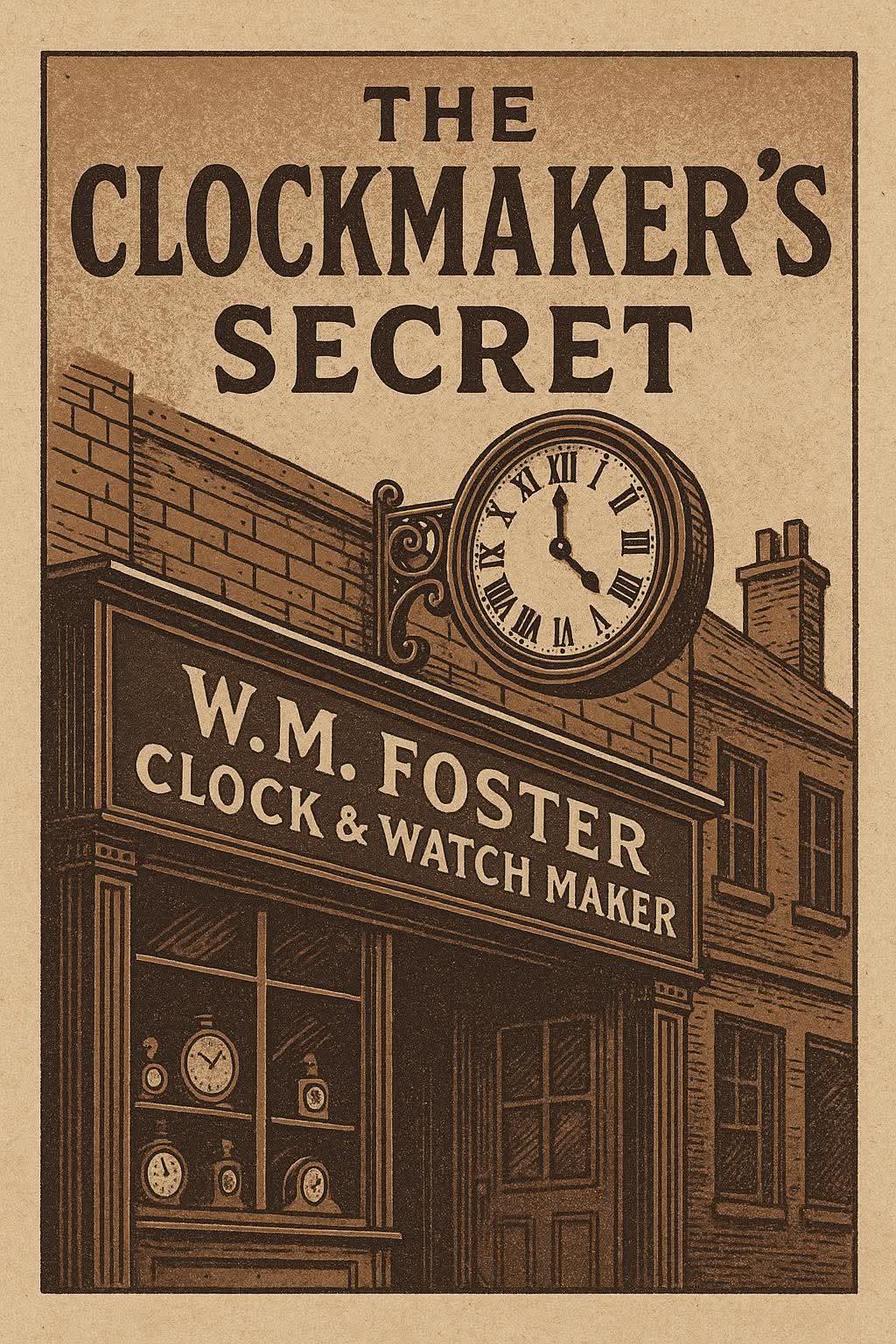
  • The “Clockmaker’s Secret”: Why Precision Doesn’t Always Build Trust

    In the early 1900s, a clockmaker in London was famous for one thing:
    His clocks never stopped.
    He built them so precise that ships, banks, and train stations across England trusted his work.

    Then one morning, something strange happened.
    His most famous clock …the one above his shop …suddenly froze.
    Stopped at exactly 11:58 AM.

    By noon, a crowd had gathered.
    People whispered, pointing up at the still hands.
    Newspapers even ran the headline:

    “THE CLOCK THAT NEVER STOPPED …STOPPED.”

    The clockmaker rushed out, climbed a ladder, fixed it within minutes…
    But what happened next shocked him.

    Instead of losing customers, his orders tripled.

    People said,
    “If it lasted 10 years without stopping… imagine how good it must be.”

    The Marketing Truth:

    Perfection impresses.
    But imperfection proves it’s real.

    In a world full of flawless facades, the tiniest crack builds the biggest credibility.
    That’s why:
    • Apple admits battery flaws…and people line up anyway.
    • Influencers who show “bad days” build stronger followings.
    • Speakers who confess stage fright feel more human …not less professional.

    💡 The Lesson:

    Don’t hide every flaw in your brand …harness it.

    A stumble in your story makes your success believable.
    A setback in your past makes your rise relatable.

    Because when something’s “too perfect,” people don’t trust it…
    But when they see a moment of failure, they lean in.

    🤓The Nerdy Takeaway:

    The goal isn’t to look flawless …it’s to look faithful.

    Consistency builds belief.
    And even the world’s best clock has to stop once to prove it’s been running all along.
    The “Clockmaker’s Secret”: Why Precision Doesn’t Always Build Trust In the early 1900s, a clockmaker in London was famous for one thing: His clocks never stopped. He built them so precise that ships, banks, and train stations across England trusted his work. Then one morning, something strange happened. His most famous clock …the one above his shop …suddenly froze. Stopped at exactly 11:58 AM. By noon, a crowd had gathered. People whispered, pointing up at the still hands. Newspapers even ran the headline: “THE CLOCK THAT NEVER STOPPED …STOPPED.” The clockmaker rushed out, climbed a ladder, fixed it within minutes… But what happened next shocked him. Instead of losing customers, his orders tripled. People said, “If it lasted 10 years without stopping… imagine how good it must be.” The Marketing Truth: Perfection impresses. But imperfection proves it’s real. In a world full of flawless facades, the tiniest crack builds the biggest credibility. That’s why: • Apple admits battery flaws…and people line up anyway. • Influencers who show “bad days” build stronger followings. • Speakers who confess stage fright feel more human …not less professional. 💡 The Lesson: Don’t hide every flaw in your brand …harness it. A stumble in your story makes your success believable. A setback in your past makes your rise relatable. Because when something’s “too perfect,” people don’t trust it… But when they see a moment of failure, they lean in. 🤓The Nerdy Takeaway: The goal isn’t to look flawless …it’s to look faithful. Consistency builds belief. And even the world’s best clock has to stop once to prove it’s been running all along.
    Love
    Like
    16
    0 Comments 0 Shares 3K Views 0 Reviews
  • The “Post-It Principle”: How a Failed Glue Accidentally Stuck a Company Together

    In 1968, a chemist at 3M named Spencer Silver was trying to invent a super-strong adhesive.
    Instead, he made the opposite… a weak, pressure-sensitive glue that barely stuck to anything.

    It was useless.
    Or so everyone thought.

    For years, he tried convincing other departments to use it. Nobody cared.
    “Who wants a glue that doesn’t stick?” they laughed.

    Then one day, another 3M employee named Art Fry faced a totally different problem.
    He sang in his church choir and kept losing his bookmarks in the hymnal… they kept slipping out.

    He remembered Spencer’s “failed glue” and had an idea:
    What if he used it to create reusable sticky notes that could stay in place without tearing the paper?

    The first prototypes were small yellow squares… simple, cheap, and oddly satisfying to peel and place.

    3M called them Post-it Notes.
    They became one of the most successful office products in history… used in more than 100 countries, generating billions in sales.

    The Marketing Lesson:

    The biggest breakthroughs rarely come from invention.
    They come from reinterpretation.

    Spencer didn’t create something new… he saw something wrong in a new way.

    That’s the power of repurposing mistakes.

    That’s why:
    • Netflix didn’t invent movies… they reimagined distribution.
    • Uber didn’t invent taxis… they reimagined access.
    • Airbnb didn’t invent travel …they reimagined trust.

    Innovation isn’t about starting over.
    It’s about seeing overlooked value in what already exists.

    🤓The Nerdy Takeaway:

    Failure isn’t the end of the story…it’s the raw material for your next breakthrough.

    The “Post-It Principle” proves that sometimes your worst idea just needs the right problem to make it brilliant.

    So the next time something doesn’t work…
    Don’t throw it away.
    Stick with it.
    The “Post-It Principle”: How a Failed Glue Accidentally Stuck a Company Together In 1968, a chemist at 3M named Spencer Silver was trying to invent a super-strong adhesive. Instead, he made the opposite… a weak, pressure-sensitive glue that barely stuck to anything. It was useless. Or so everyone thought. For years, he tried convincing other departments to use it. Nobody cared. “Who wants a glue that doesn’t stick?” they laughed. Then one day, another 3M employee named Art Fry faced a totally different problem. He sang in his church choir and kept losing his bookmarks in the hymnal… they kept slipping out. He remembered Spencer’s “failed glue” and had an idea: What if he used it to create reusable sticky notes that could stay in place without tearing the paper? The first prototypes were small yellow squares… simple, cheap, and oddly satisfying to peel and place. 3M called them Post-it Notes. They became one of the most successful office products in history… used in more than 100 countries, generating billions in sales. The Marketing Lesson: The biggest breakthroughs rarely come from invention. They come from reinterpretation. Spencer didn’t create something new… he saw something wrong in a new way. That’s the power of repurposing mistakes. That’s why: • Netflix didn’t invent movies… they reimagined distribution. • Uber didn’t invent taxis… they reimagined access. • Airbnb didn’t invent travel …they reimagined trust. Innovation isn’t about starting over. It’s about seeing overlooked value in what already exists. 🤓The Nerdy Takeaway: Failure isn’t the end of the story…it’s the raw material for your next breakthrough. The “Post-It Principle” proves that sometimes your worst idea just needs the right problem to make it brilliant. So the next time something doesn’t work… Don’t throw it away. Stick with it.
    Like
    Love
    14
    0 Comments 0 Shares 6K Views 0 Reviews
  • Natural Remedies for Heartburn and Acid Reflux


    Lifestyle and Dietary Causes of Heartburn and Acid Reflux:

    Fatty, spicy, or acidic foods – like fried foods, citrus, tomatoes, onions, garlic, and chilli.
    Caffeinated drinks – coffee, tea, cola, and energy drinks can relax the lower oesophageal sphincter (LES).
    Chocolate and mint – both can weaken the LES, allowing acid to rise.
    Alcohol – increases stomach acid and also relaxes the LES.
    Overeating or lying down soon after eating – can push acid upward.
    Smoking – relaxes the LES and reduces saliva (which helps neutralize acid).

    Physical and Medical Factors:

    Being overweight or obese – adds pressure on the stomach.
    Pregnancy – hormones like progesterone relax the LES and growing uterus puts pressure on the stomach.
    Hiatus hernia – part of the stomach pushes up into the chest cavity, making reflux more likely.
    Stomach ulcers or H. pylori infection – can disturb normal acid balance.

    Other Contributing Factors:

    Certain medications – such as ibuprofen, aspirin, some muscle relaxants, and blood pressure drugs.
    Stress and anxiety – can worsen symptoms by affecting digestion and increasing acid sensitivity.


    🌿 How to Ease Heartburn and Acid Reflux Yourself:

    ✅ Do

    Eat smaller, more frequent meals – large meals increase pressure on your stomach and can trigger reflux.
    Eat healing fruits, like apples, papaja and bananas
    Drink Aloe vera juice before eating
    Ginger tea - speeds up stomach emptying, this helps prevent acid from lingering in the stomach and pushing back up into the oesophagus - its natural anti-inflammatory compounds can soothe the stomach lining and calm digestive discomfort and ginger also ease nausea and bloating.
    Maintain a healthy weight – extra pressure on the abdomen can push acid upward.
    Find ways to relax – stress can make symptoms worse, so try deep breathing, meditation, or gentle walks.
    Sleep with your upper body raised – lift the head of your bed by 10–20 cm using extra pillows, wood blocks, bricks, or sturdy books. Keeping your chest higher than your waist helps prevent acid from rising.

    🚫 Don’t

    Avoid foods and drinks that trigger your symptoms – such as coffee, chocolate, alcohol, fatty or spicy foods, and citrus.
    Don’t eat within 3–4 hours of going to bed – give your stomach time to empty.
    Don’t wear tight-fitting clothes – especially around your waist, as they can put pressure on your stomach.
    Avoid smoking – it weakens the muscle that keeps stomach acid down.
    Limit alcohol – too much can relax the lower oesophageal sphincter and increase acid production.

    See a GP if:

    -lifestyle changes and pharmacy medicines are not helping your heartburn
    -you have heartburn most days
    -you also have other symptoms, like food getting stuck in your throat, frequently being sick,
    or losing weight for no reason.
    Natural Remedies for Heartburn and Acid Reflux Lifestyle and Dietary Causes of Heartburn and Acid Reflux: Fatty, spicy, or acidic foods – like fried foods, citrus, tomatoes, onions, garlic, and chilli. Caffeinated drinks – coffee, tea, cola, and energy drinks can relax the lower oesophageal sphincter (LES). Chocolate and mint – both can weaken the LES, allowing acid to rise. Alcohol – increases stomach acid and also relaxes the LES. Overeating or lying down soon after eating – can push acid upward. Smoking – relaxes the LES and reduces saliva (which helps neutralize acid). Physical and Medical Factors: Being overweight or obese – adds pressure on the stomach. Pregnancy – hormones like progesterone relax the LES and growing uterus puts pressure on the stomach. Hiatus hernia – part of the stomach pushes up into the chest cavity, making reflux more likely. Stomach ulcers or H. pylori infection – can disturb normal acid balance. Other Contributing Factors: Certain medications – such as ibuprofen, aspirin, some muscle relaxants, and blood pressure drugs. Stress and anxiety – can worsen symptoms by affecting digestion and increasing acid sensitivity. 🌿 How to Ease Heartburn and Acid Reflux Yourself: ✅ Do Eat smaller, more frequent meals – large meals increase pressure on your stomach and can trigger reflux. Eat healing fruits, like apples, papaja and bananas Drink Aloe vera juice before eating Ginger tea - speeds up stomach emptying, this helps prevent acid from lingering in the stomach and pushing back up into the oesophagus - its natural anti-inflammatory compounds can soothe the stomach lining and calm digestive discomfort and ginger also ease nausea and bloating. Maintain a healthy weight – extra pressure on the abdomen can push acid upward. Find ways to relax – stress can make symptoms worse, so try deep breathing, meditation, or gentle walks. Sleep with your upper body raised – lift the head of your bed by 10–20 cm using extra pillows, wood blocks, bricks, or sturdy books. Keeping your chest higher than your waist helps prevent acid from rising. 🚫 Don’t Avoid foods and drinks that trigger your symptoms – such as coffee, chocolate, alcohol, fatty or spicy foods, and citrus. Don’t eat within 3–4 hours of going to bed – give your stomach time to empty. Don’t wear tight-fitting clothes – especially around your waist, as they can put pressure on your stomach. Avoid smoking – it weakens the muscle that keeps stomach acid down. Limit alcohol – too much can relax the lower oesophageal sphincter and increase acid production. See a GP if: -lifestyle changes and pharmacy medicines are not helping your heartburn -you have heartburn most days -you also have other symptoms, like food getting stuck in your throat, frequently being sick, or losing weight for no reason.
    Love
    Like
    9
    0 Comments 0 Shares 6K Views 0 Reviews
  • From our women’s Springbok team making history—closing the gap with their male counterparts at the Rugby World Cup—to the G20 spotlight shining on Johannesburg as South Africa leads the charge for global inequality reform, it’s clear this nation is on the move, in every sense.

    At home, the energy outlook is turning green and brighter: load shedding has largely lifted thanks to better Eskom performance and a surge in solar adoption—giving businesses and communities a much-needed power boost. Meanwhile, structural support from the World Bank (a cool $1.5 billion loan) is gearing us up for infrastructure improvements and a greener growth path ahead.

    So here’s to seeing movement—not just in the land beneath us (yes, our ground is rising ever so slightly thanks to groundwater rebound!), but in the realms of sport, policy, culture, and economy. South Africa: evolving, hopeful, and ever dynamic.

    #SouthAfrica
    From our women’s Springbok team making history—closing the gap with their male counterparts at the Rugby World Cup—to the G20 spotlight shining on Johannesburg as South Africa leads the charge for global inequality reform, it’s clear this nation is on the move, in every sense. At home, the energy outlook is turning green and brighter: load shedding has largely lifted thanks to better Eskom performance and a surge in solar adoption—giving businesses and communities a much-needed power boost. Meanwhile, structural support from the World Bank (a cool $1.5 billion loan) is gearing us up for infrastructure improvements and a greener growth path ahead. So here’s to seeing movement—not just in the land beneath us (yes, our ground is rising ever so slightly thanks to groundwater rebound!), but in the realms of sport, policy, culture, and economy. South Africa: evolving, hopeful, and ever dynamic. #SouthAfrica
    Like
    Love
    24
    0 Comments 0 Shares 3K Views 0 Reviews
MySA - South Africa https://mysa.social