


Coeliac Disease: Understanding the Condition, the Diet, and Supportive Approaches
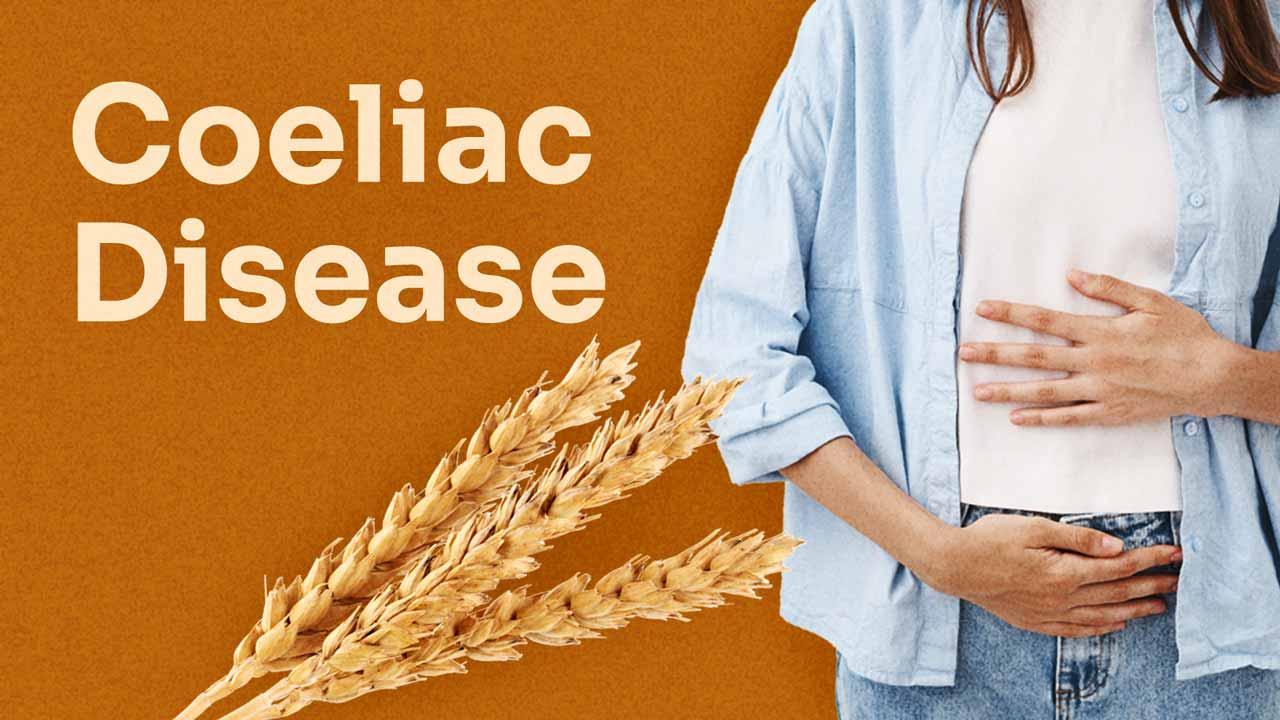
Coeliac disease is a serious autoimmune disorder in which eating gluten, a protein found in wheat, barley, and rye — triggers an immune response that damages the lining of the small intestine. Over time, this damage prevents proper nutrient absorption, leading to malnutrition, fatigue, digestive distress, and a wide range of long-term health complications if left untreated.

The Only Proven Treatment: A Lifelong Gluten-Free Diet
At present, there is no cure for coeliac disease. The only effective and medically proven treatment is a strict, lifelong gluten-free diet. Even small amounts of gluten can trigger intestinal damage, whether or not symptoms are immediately felt.
While natural remedies cannot cure coeliac disease or make gluten safe to consume, supportive natural approaches can play a valuable role in managing symptoms, promoting gut healing, and correcting nutritional deficiencies — but only alongside strict gluten avoidance.
Coeliac Disease vs Gluten Intolerance: What’s the Difference?
Although they share similar symptoms, coeliac disease and gluten intolerance are not the same condition.
- Coeliac Disease
- An autoimmune disorder
- Causes immune-mediated intestinal damage
- Requires strict, lifelong gluten avoidance
- Can lead to serious complications if unmanaged
- Gluten Intolerance (Non-Coeliac Gluten Sensitivity / NCGS)
- Does not involve autoimmune damage
- Causes digestive symptoms like bloating, pain, and fatigue
- No intestinal damage occurs
- Symptoms improve when gluten is removed, but long-term complications are less severe
Naturally Gluten-Free Foods Include:
- Fresh fruits and vegetables
- Meat, poultry, fish, eggs
- Most dairy products (plain, unflavoured)
- Gluten-free grains such as rice, quinoa, corn, buckwheat, millet, amaranth, and teff
⚠️ Cross-contamination matters: Even trace amounts of gluten from shared utensils, toasters, or cutting boards can trigger intestinal injury.
A Note on Papaya & Digestive Enzymes
Papaya and papino contain papain, a protein-digesting enzyme that may help break down certain proteins. While these enzymes can assist digestion in general, they do not neutralise gluten sufficiently to make it safe for people with coeliac disease. They should be viewed as digestive support only, not protection against gluten exposure.
Supportive Natural Approaches for Healing & Symptom Relief
Once a strict gluten-free diet is firmly in place, the following natural strategies may help support recovery:
1. Probiotics
Beneficial bacteria found in:
- Gluten-free yogurt
- Sauerkraut and kimchi (check labels)

- Probiotic supplements
These may help restore gut balance and ease symptoms such as diarrhea and bloating.
2. Nutrient Supplementation
Damage to the intestine often leads to deficiencies in:
- Iron
- Calcium
- Vitamin D
- B vitamins
A healthcare provider or dietitian may recommend gluten-free supplements to correct deficiencies safely.
3. Anti-Inflammatory Foods
Foods that support healing include:
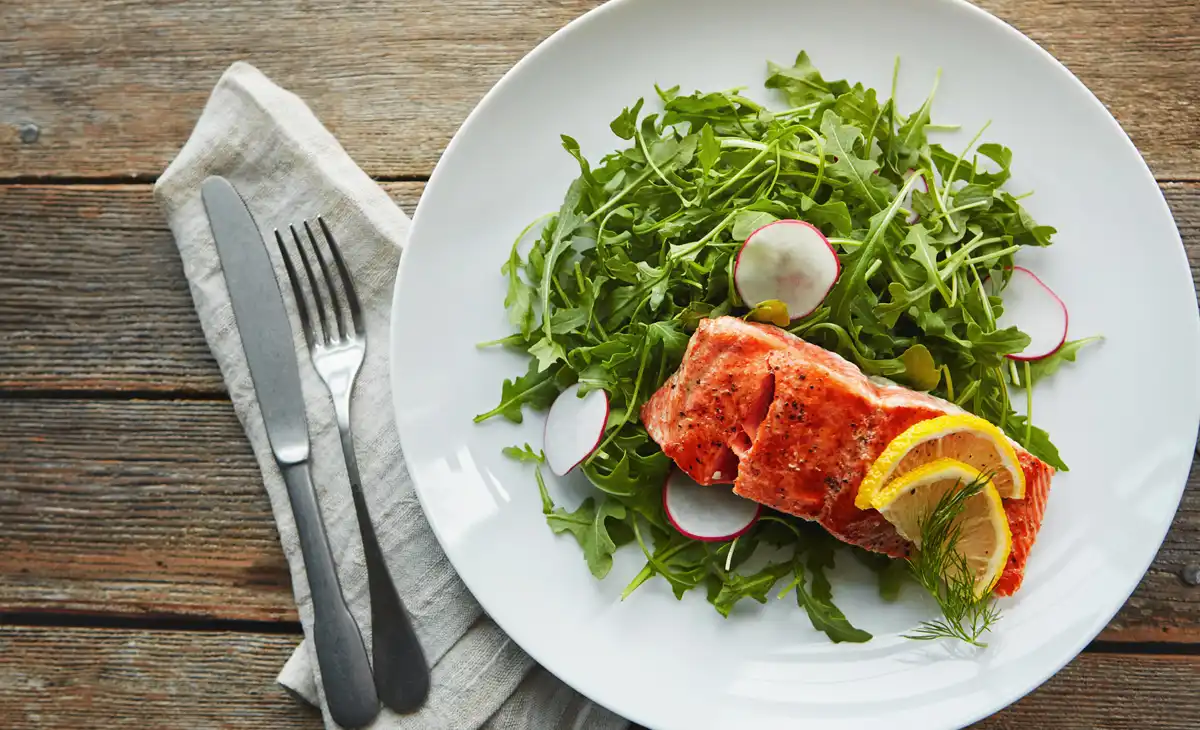
- Fatty fish (salmon, tuna)
- Leafy greens
- Berries
- Nuts and seeds
- Turmeric and ginger
4. Herbal Digestive Support
Traditionally used herbs may help soothe the digestive tract:
- Peppermint or ginger tea for bloating and nausea
- Slippery elm or aloe vera juice for gut-lining support
⚠️ Always consult a professional before using herbal remedies.
5. Hydration & Fibre
Adequate water intake and fibre from gluten-free sources (fruits, vegetables, legumes) help regulate digestion and bowel health.
Foods to Avoid on a Gluten-Free Diet
Grains & Starches to Avoid
- Wheat (all forms: spelt, durum, semolina, couscous, farro, einkorn)
- Barley (malt, malt vinegar, brewer’s yeast)
- Rye
- Triticale
- Oats (unless certified gluten-free)
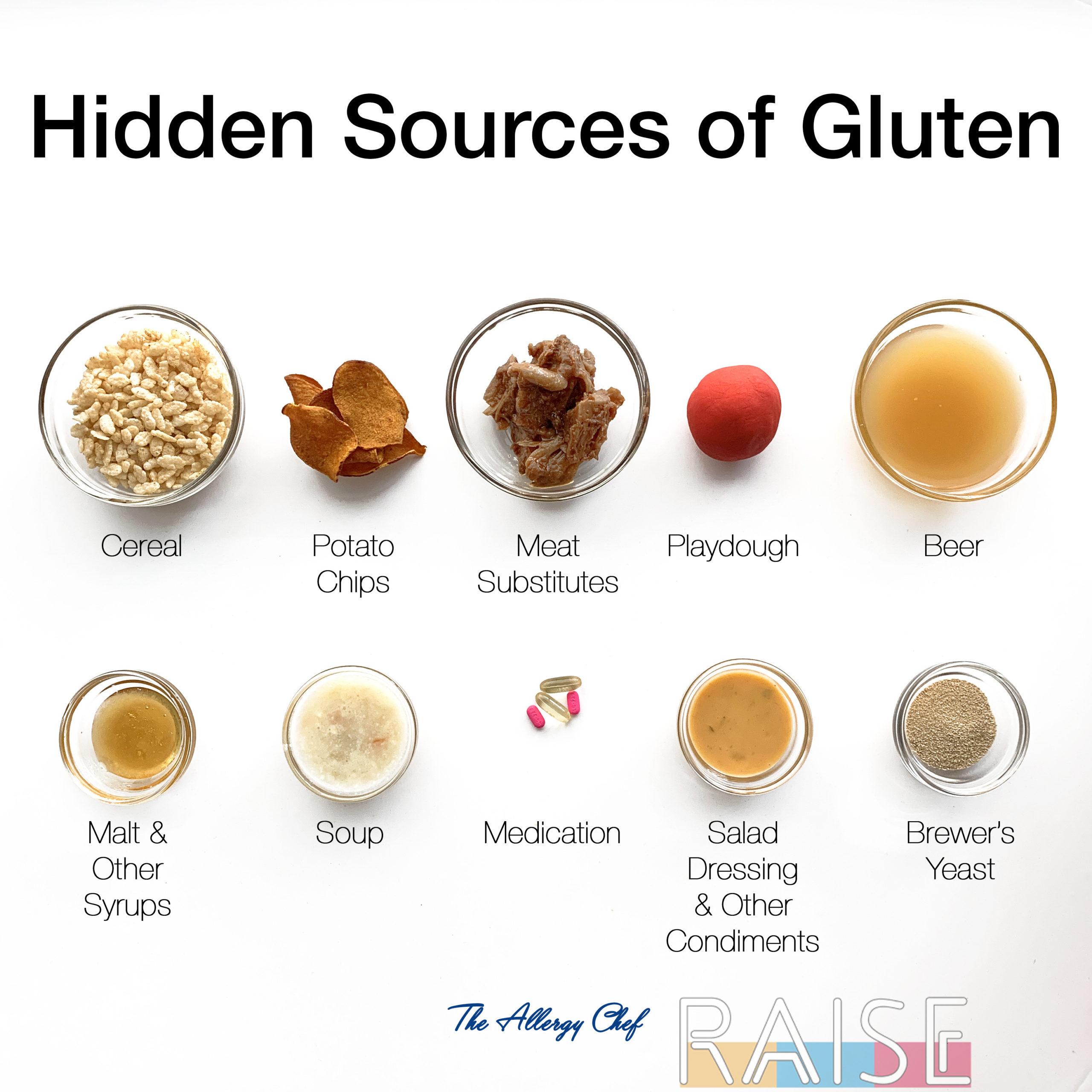
Common Hidden Sources
- Breads, pastries, cakes, crackers
- Pasta and noodles
- Cereals, pancakes, waffles
- Sauces, gravies, soups, dressings
- Deli meats, imitation seafood
- Beer and malted beverages
- Certain additives and supplements
Practical Tips for Gluten-Free Living
- Read every label carefully
- Choose certified gluten-free products
- Prevent cross-contamination at home
- Be cautious when eating out
- Consult a registered dietitian for guidance
- Discuss supplements and herbal remedies with your doctor
Final Thoughts
Coeliac disease is a lifelong condition, but with strict gluten avoidance, education, and supportive natural strategies, people can heal their gut, restore nutrient balance, and live full, healthy lives. While natural remedies cannot replace the gluten-free diet, they can support recovery and symptom management when used responsibly and under professional guidance.
A well-planned gluten-free lifestyle isn’t about restriction — it’s about protecting your health and empowering your body to heal.


- News & Current Affairs
- Business & Economy
- Finance & Money
- Education & Learning
- Technology & Innovation
- Science & Environment
- Health & Wellness
- Food & Drink
- Home, Garden & Lifestyle
- Travel & Tourism
- Fashion & Beauty
- Art & Culture
- Entertainment & Media
- Sports & Recreation
- Personal Growth & Lifestyle
- Careers & Work
- Tutorials & How-To Guides
- Real Estate & Property
- Automotive
- Family & Relationships
- Environment & Sustainability
- Law & Legal Matters
- Gaming & Esports
- Religion & Spirituality
- Community & Local Voices
- Miscellaneous
- History