


Why Do Leaves Change Color? The Science Behind Nature’s Autumn Magic

Every year, as summer fades and cooler weather creeps in, the trees around us transform into breathtaking displays of red, gold, orange, and purple. But what exactly causes this colourful change? The secret lies within the chemistry of leaves and the seasonal signals trees receive.
The Summer Green Story
During the warm months, leaves are bursting with chlorophyll—the powerful green pigment that allows plants to perform photosynthesis. It’s the leaf’s food factory, converting sunlight into energy. Chlorophyll is so dominant that it hides other pigments already inside the leaf.

Beneath the green surface, however, lie carotenoids (yellow and orange pigments) and xanthophylls, quietly waiting their turn to shine.
Autumn Arrives: Nature Sends the Signal
As days grow shorter and temperatures begin to fall, trees know winter is on the way. To survive the cold months, they must conserve energy. Their first step is to shut down chlorophyll production. With the “food factory” closing, the green pigment begins to fade.

The Colours Emerge
Once the chlorophyll breaks down, the hidden yellow and orange pigments—carotenoids—finally step into the spotlight. That’s why we suddenly see golden leaves on birch trees or orange tones in maples.
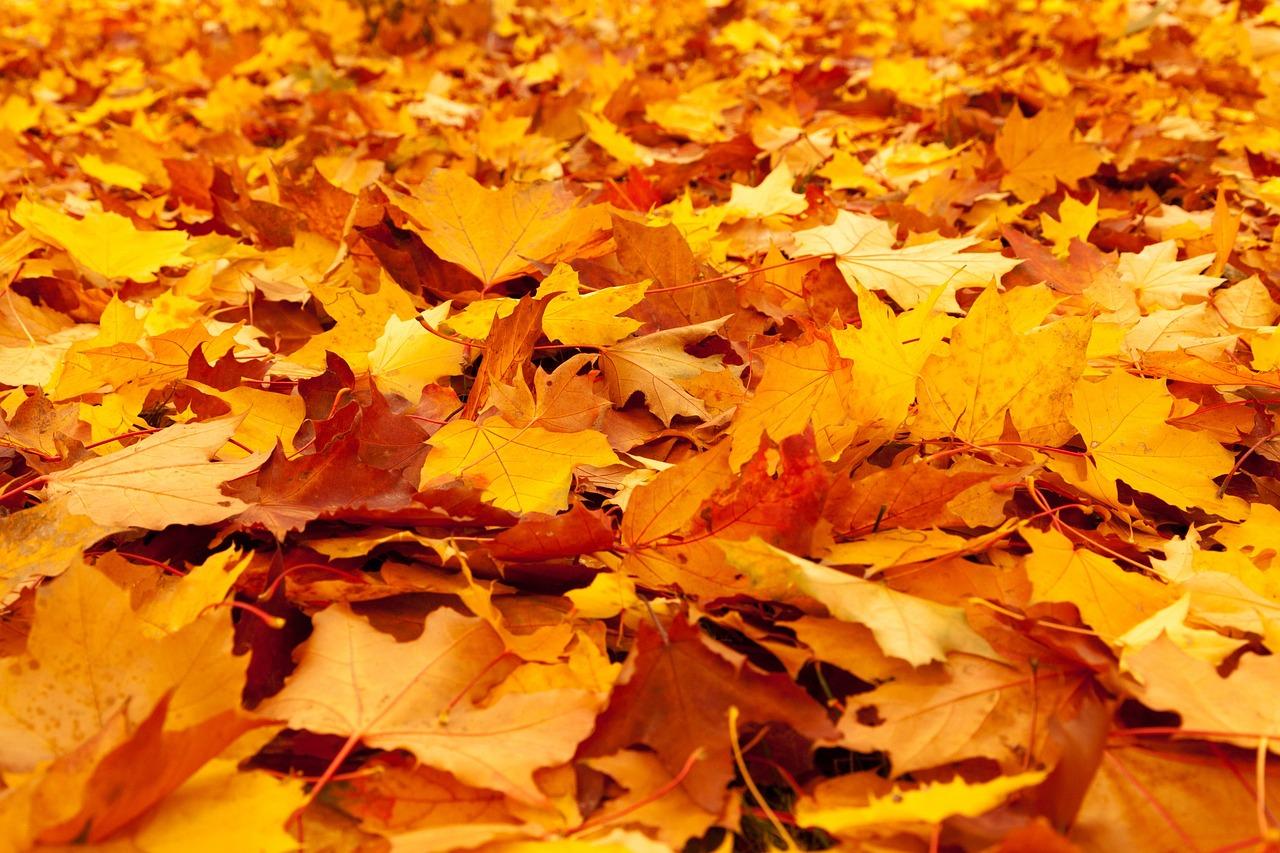
But something else spectacular can happen…
How Reds and Purples Appear
Cool nights and sunny days can trap sugars inside the leaves. These sugars react with the decreasing daylight to produce anthocyanins, the pigments responsible for stunning reds and purples. These colours aren’t always present—they’re created fresh in autumn, making each season’s show unique.

The Final Goodbye: Leaf Drop
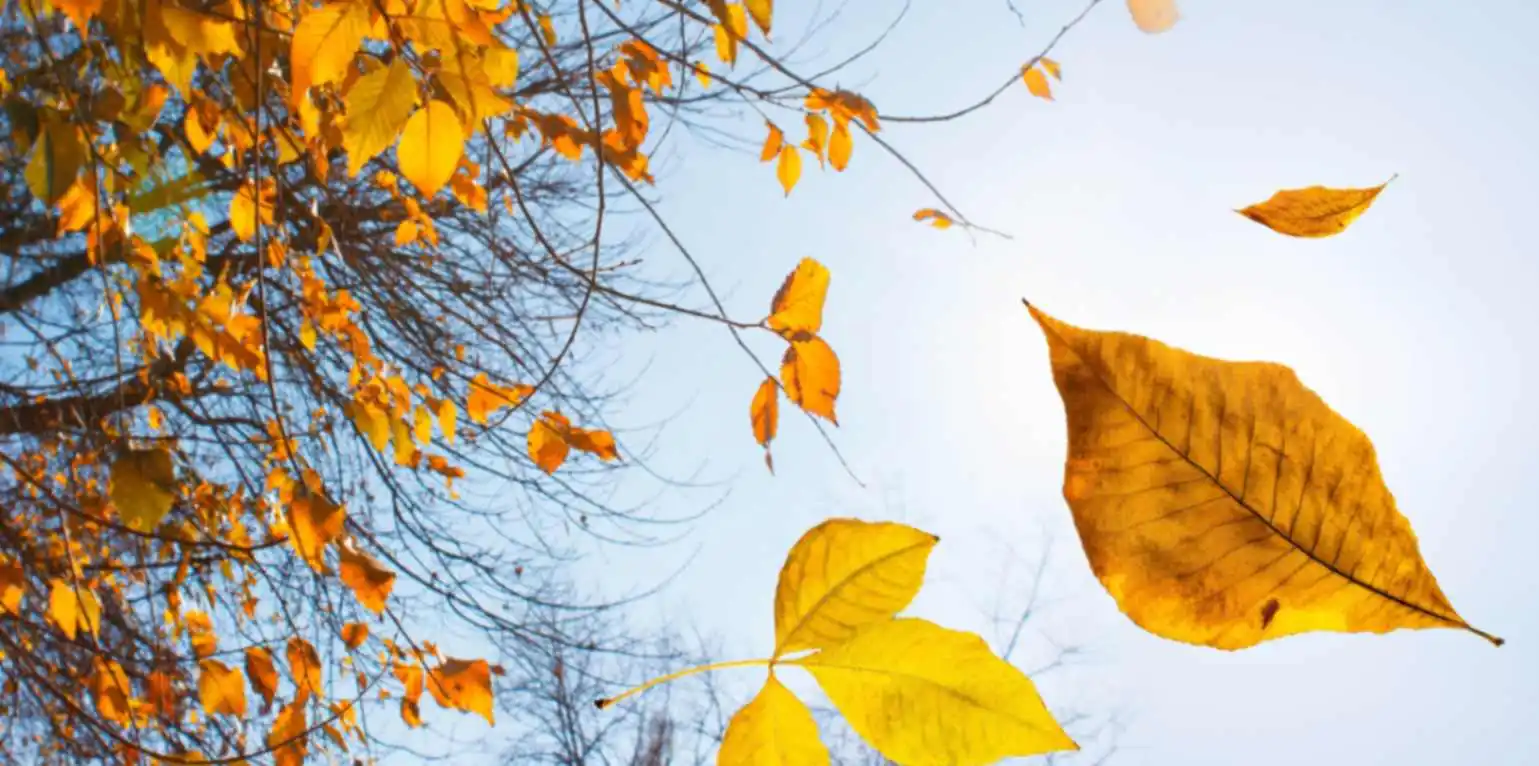
Before winter fully arrives, the tree forms a special seal at the base of each leaf, cutting off water and nutrients. Eventually, the leaf dries, breaks away, and falls. This allows the tree to hold onto its energy and nutrients until spring.
What Affects the Intensity of Autumn Colours?
Several factors influence how vivid the colours will be:
- Warm, sunny days + cool nights = brilliant reds and purples
- A rainy spring and mild summer = healthier leaves and richer autumn hues
- Early frost = dull colours, because pigments stop developing
Every year is a little different, which is why autumn can surprise us with new blends and bursts of colour.
Final Thoughts
The changing colours of leaves are more than just a beautiful sight—they’re a reminder of nature’s incredible rhythm. Trees prepare for winter in the most colourful way possible, turning a simple survival strategy into one of the world’s most stunning natural displays. As the chlorophyll fades, the hidden beauty of each leaf is revealed, showing us that even endings can be beautiful.


- News & Current Affairs
- Business & Economy
- Finance & Money
- Education & Learning
- Technology & Innovation
- Science & Environment
- Health & Wellness
- Food & Drink
- Home, Garden & Lifestyle
- Travel & Tourism
- Fashion & Beauty
- Art & Culture
- Entertainment & Media
- Sports & Recreation
- Personal Growth & Lifestyle
- Careers & Work
- Tutorials & How-To Guides
- Real Estate & Property
- Automotive
- Family & Relationships
- Environment & Sustainability
- Law & Legal Matters
- Gaming & Esports
- Religion & Spirituality
- Community & Local Voices
- Miscellaneous
- History