


The Basics of Breath Therapy: Relearning the Art of Breathing Well

Breathing is one of the most natural things we do—drawing oxygen in and releasing carbon dioxide out. Yet, despite being so essential, many of us don’t breathe as fully or effectively as we should. Long hours hunched over desks, slouched posture, and chronic stress all disrupt our natural rhythm. Breath therapy, or breathwork, helps us return to a healthier, more mindful way of breathing.
At its core, breath therapy teaches you to breathe more naturally, but it goes far beyond that. It uses the breath as a tool to reduce stress, support emotional balance, soothe the nervous system, and reconnect you with your body’s innate flow of energy. Breathwork draws from ancient practices like yoga, tai chi, and traditional healing systems, blended with techniques used in modern medicine.
Regular, mindful breathing supports overall wellness. Research shows that breath therapy can ease stress, reduce pain, calm anxiety, and even support respiratory health. In one study, people with mild to moderate asthma who practiced breath training experienced noticeable improvement in managing symptoms. In another, breath therapy reduced the intensity of panic attacks.
Breath therapy comes in many forms. Some practices focus on simply observing the breath to identify patterns, restrictions, or imbalances. Others use consciously directed breathing to bring healing awareness to specific parts of the body. Below are several accessible breath techniques you can begin practicing today.
Breathe Better with These Gentle Breathwork Exercises
1. Three-Part Breath (Complete Breath)
A foundational breath that fills the entire respiratory system.
How to do it:
- Sit, stand, or lie down comfortably.
- Inhale slowly through your nose, relaxing your belly and letting it expand.
- Continue inhaling into the middle of your chest.
- Take in a bit more air to fill the upper chest.
- Exhale slowly in reverse order: upper chest → middle chest → belly.
- Aim for the exhale to last as long as the inhale.

Start with five repetitions once a day.
Note: If you feel dizzy, stop and return to normal breathing.
2. Alternate Nostril Breathing
A calming yogic practice known to soothe the mind and balance energy.
How to do it:
- Sit comfortably.
- Gently close your right nostril with your right thumb.
- Inhale through the left nostril for 4 seconds.
- Close the left nostril with your ring finger, release your thumb, and exhale through the right nostril for 8 seconds.
- Inhale through the right nostril for 4 seconds.
- Close the right, open the left, and exhale through the left nostril for 8 seconds.

Repeat two more rounds.
Note: Avoid this practice if your nasal passages are congested.
3. Relax with Wu (Chinese Breath Technique)
A deeply restorative practice that enhances relaxation and energy flow.
How to do it:
- Lie on your back with a pillow under your head.
- Let your arms rest at your sides, allow your legs to relax and toes fall out to the sides.
- Place the tip of your tongue where your front teeth meet the gum.
- Breathe naturally through your nose.
- Visualize air rising to the top of your head as you inhale, then flowing to the center of your belly as you exhale.
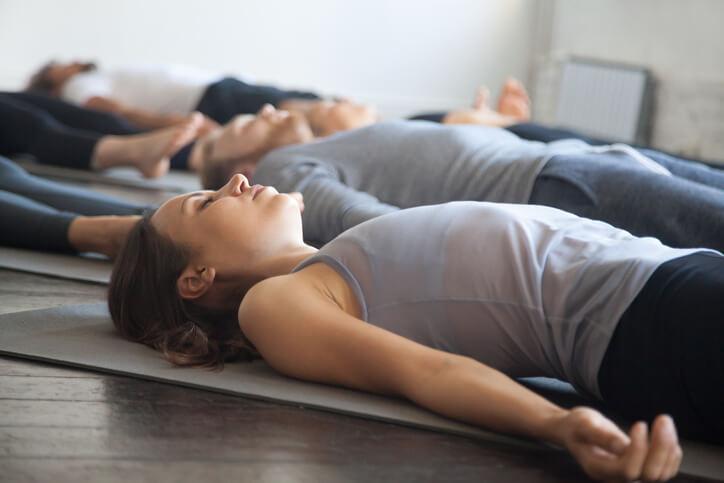
Continue for 20 minutes, gently following the breath’s movement.
4. The 4-7-8 Breath (For Stress Relief)
A powerful technique to calm the nervous system and promote relaxation.
How to do it:
- Sit with your back straight.
- Place the tip of your tongue where your front teeth meet the gum.
- Exhale fully through your mouth, making a soft whooshing sound.
- Close your mouth and inhale through your nose for 4 counts.
- Hold the breath for 7 counts.
- Exhale completely through your mouth for 8 counts.
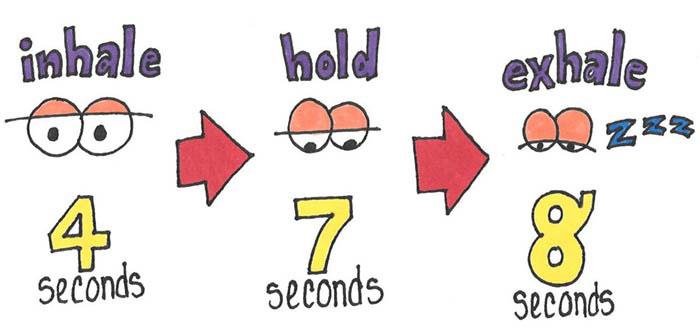
Repeat four cycles, twice a day.
5. Promote Deeper Breathing
Ideal for shallow breathers and those wanting to expand lung capacity.
How to do it:
- Inhale deeply through your nose.
- Exhale naturally, then gently squeeze out a little more air by contracting the muscles between your ribs.

This strengthens intercostal muscles and supports fuller breathing over time.
6. Try 20 (Mood + Focus Booster)
A quick energizing sequence to refresh the mind.
How to do it:
- Take four short, continuous breaths with no pause between inhale and exhale.
- Follow with one long, deep breath.
- Repeat five times.

Note: Keep rapid breathing to short intervals (5–8 seconds) to avoid hyperventilation.
7. Strengthen Your Diaphragm
A supportive practice for improving breath depth and diaphragm strength.
How to do it:
- Lie on your back.
- Place a soft 1–2 pound weight or bag of rice on your belly.
- Perform several rounds of Complete Breath exercises.
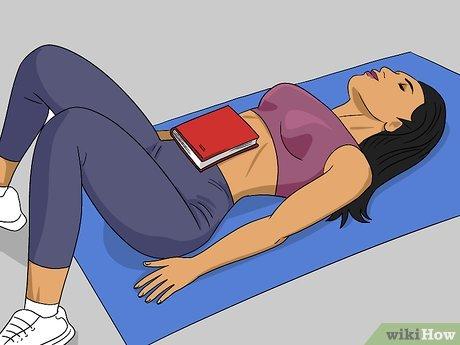
The added weight makes the diaphragm work harder, strengthening it gradually.
Caution: Do not do any breathing exercises after surgery without your doctor’s approval,as it might stretch or strain the tissues around your wound area
If any breathing exercise makes you feel nauseous, tense, dizzy, or uncomfortable at any point, stop immediately and return to your natural breathing rhythm.
Final Thoughts
Breath therapy invites you to return to something beautifully simple—your own breath. Whether you’re seeking calm, clarity, emotional release, or improved respiratory health, breathwork offers gentle tools that support healing from the inside out.
Start slowly, stay mindful, and listen to your body. Over time, you’ll likely notice a deeper sense of balance, resilience, and connection to your natural rhythm of life.


- News & Current Affairs
- Business & Economy
- Finance & Money
- Education & Learning
- Technology & Innovation
- Science & Environment
- Health & Wellness
- Food & Drink
- Home, Garden & Lifestyle
- Travel & Tourism
- Fashion & Beauty
- Art & Culture
- Entertainment & Media
- Sports & Recreation
- Personal Growth & Lifestyle
- Careers & Work
- Tutorials & How-To Guides
- Real Estate & Property
- Automotive
- Family & Relationships
- Environment & Sustainability
- Law & Legal Matters
- Gaming & Esports
- Religion & Spirituality
- Community & Local Voices
- Miscellaneous
- History