


Heat Exhaustion and Heatstroke: Causes, Symptoms, Treatment, and Prevention Tips
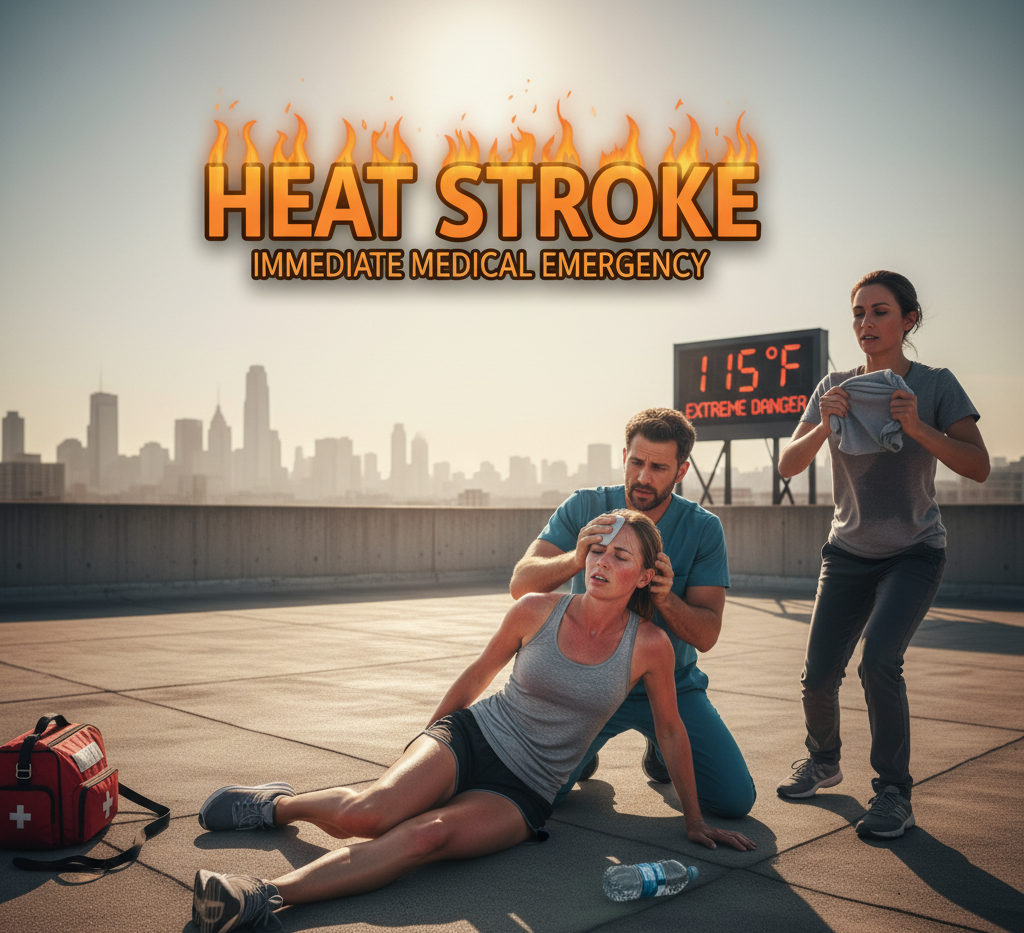
With our summer season approaching and the mercury already climbing deep into the thirties, this is your friendly reminder to take extra care in the sizzling sun. The warm weather, long days, and beach outings make this time of year one of the best — but it also comes with a few health risks if we’re not mindful.
The sun is wonderful for us — it lifts our spirits and helps our bodies make vitamin D, which is essential for healthy bones and overall well-being. And of course, nothing beats the joy of spending time outdoors, swimming, picnicking, or just relaxing under blue skies.
But while it’s great to have fun in the sun, we also need to protect ourselves and our loved ones. Prolonged exposure to intense heat can quickly lead to dehydration, heat exhaustion, or even heatstroke — especially during beach days, outdoor activities, or long drives in the heat.

When temperatures soar, your body works hard to keep cool. But when heat and humidity overwhelm your body’s cooling system, it can lead to heat exhaustion or, in severe cases, heatstroke — a life-threatening emergency.
Here’s how to spot the warning signs, what to do, and how to stay safe in hot weather.
What Is Heat Exhaustion?
Heat exhaustion happens when your body loses too much water and salt through sweat. It’s often caused by physical activity in hot conditions or prolonged exposure to high temperatures.
Thankfully, heat exhaustion can usually be treated at home if you act quickly.
Besides hot weather and strenuous activity, other causes of heat exhaustion include:
- Dehydration, which lessens your body's ability to sweat and keep a normal temperature.
- Alcohol use, which can affect your body's ability to regulate your temperature.
- Overdressing, particularly in clothes that don't allow sweat to evaporate easily.
Symptoms of Heat Exhaustion
Look out for these signs:
- Tiredness or weakness
- Dizziness or fainting
- Headache

- Nausea or vomiting
- Heavy sweating with pale,cool clammy skin
- Skin with goose bumps when in the heat
- Muscle cramps (arms, legs, stomach)

- Rapid breathing
- Weak, rapid pulse
- Feeling very thirsty
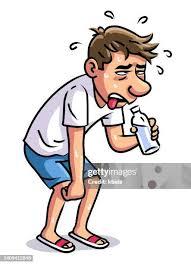
- Slightly high body temperature
- In children: irritability or restlessness

If someone shows these signs, they need to cool down and rehydrate immediately.
How to Treat Heat Exhaustion
Follow these five steps to cool someone down safely:
1. Immediately stop all activity and rest
2. Move to a cool place – Find shade or an air-conditioned area
3. Remove unnecessary clothing – Jackets, socks, or tight layers trap heat.
4. Rehydrate – Offer cool water, a sports drink, or a rehydration solution.
5. Cool the skin – Use a wet cloth, mist spray, or fan. Apply cold packs (wrapped in fabric) under armpits or on the neck.

💧 They should start feeling better within 30 minutes.
If not, it may have progressed to heatstroke, which needs emergency care.
When Heat Exhaustion Becomes Heatstroke
Heatstroke (also known as sunstroke) is a medical emergency.
It occurs when your body can no longer regulate its temperature — the core temperature rises above 40°C, which can damage vital organs.
Signs of Heatstroke
Seek medical help immediately if someone:
- Doesn’t recover after 30 minutes of cooling
- Has a very high temperature (above 40°C)
- Has hot, dry skin that may appear red or flushed
- Breathes rapidly or has a racing heartbeat
- Is confused, disoriented, or aggressive, slurred speech
- Persistent vomiting and inability to keep in any fluids
- Has a seizure
- Becomes unconscious
- Begin CPR if the person loses consciousness and shows no signs of circulation, such as no breathing, or no pulse.
- ➡️ Call emergency services immediately

While waiting, continue cooling them down.
First Aid for Heatstroke (Sunstroke)
- Remove clothing and immerse the body in cool water, if possible.

- If not, use wet towels, or ice packs (neck, armpits, groin).

- Spray the person with a garden hose.
- Sponge the person with cool water.
- Fan the person while misting with cool water, to increase evaporation.
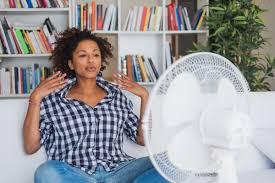
- Cover the person with cool, damp sheets.
- Move to a cool place and elevate the feet.
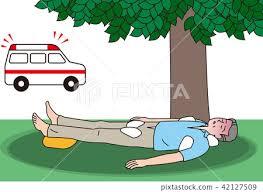
- Do not give fluids if the person is confused or unconscious.
- If the person is conscious, offer chilled water, a sports drink containing electrolytes or another nonalcoholic beverage without caffeine.

- Continue cooling until body temperature drops to about 38.5°C.
⚠️ Important: Heatstroke can be fatal within 30 minutes if untreated.
Who Is Most at Risk of Heatstroke?
Certain groups are more vulnerable to heat-related illness, including:
- Young children and elderly people


- People with heart disease, diabetes, or alcohol dependence
- Individuals with skin conditions that affect sweating
- People on antidepressants, antihistamines, beta-blockers, or diuretics
- Athletes or outdoor workers exposed to extreme heat

Preventing Heat Exhaustion and Heatstroke
Prevention is the best protection.
Follow these heat safety tips to keep cool and healthy:
Hydration
- Drink plenty of water before, during, and after being in the heat.
- Don’t wait until you’re thirsty to drink.
- Avoid alcohol and caffeine, which dehydrate you.

Clothing
- Wear lightweight, loose, light-coloured clothing.
- Choose cotton or breathable fabrics.
- Wear a wide-brimmed hat outdoors.

Sunscreen
· Sunburn affects your body's ability to cool itself.
· Use a broad-spectrum sunscreen with an SPF of at least 30.
· Apply sunscreen generously and reapply every two hours. Reapply more often if you're swimming or sweating.

Activity
- Avoid the sun between 11am and 3pm.
- Take frequent breaks in the shade.
- Gradually get your body used to hotter weather.
- Exercise early in the morning or late in the evening.

Environment
- Keep your home cool by closing curtains and turning off heat-generating lights or appliances.
- Use fans or open windows when cooler outside.
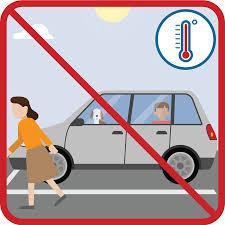
Never leave children or animals in a parked car
· When parked in the sun, the temperature in your car can rise 20 degrees Fahrenheit (more than 11 C) in 10 minutes.
· It's not safe to leave someone in a parked car in warm or hot weather, even if the windows are cracked or the car is in shade.
· Keep parked cars locked to prevent a child from getting inside.

What Is the Difference Between Heat Exhaustion and Sunstroke?
|
Condition |
Key Features |
Body Temperature |
Sweating |
|
Heat Exhaustion |
Fatigue, heavy sweating, muscle cramps |
Normal to 38.5°C |
Yes |
|
Heatstroke (Sunstroke) |
Confusion, hot dry skin, possible collapse |
Above 40°C |
Little to none |
Remember: Heatstroke is a medical emergency — don’t wait to seek help.
Final Thoughts: Stay Cool, Stay Safe
Heat exhaustion can often be managed at home, but sunstroke can be deadly if ignored.
Keep hydrated, wear breathable clothing, and rest in the shade.
Recognising the early signs of heat stress can save a life — maybe even your own.


- News & Current Affairs
- Business & Economy
- Finance & Money
- Education & Learning
- Technology & Innovation
- Science & Environment
- Health & Wellness
- Food & Drink
- Home, Garden & Lifestyle
- Travel & Tourism
- Fashion & Beauty
- Art & Culture
- Entertainment & Media
- Sports & Recreation
- Personal Growth & Lifestyle
- Careers & Work
- Tutorials & How-To Guides
- Real Estate & Property
- Automotive
- Family & Relationships
- Environment & Sustainability
- Law & Legal Matters
- Gaming & Esports
- Religion & Spirituality
- Community & Local Voices
- Miscellaneous
- History