


Peace Pilgrim: The Woman Who Walked for Peace
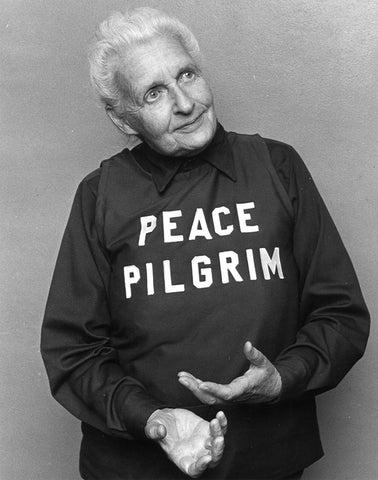
Sometimes the most extraordinary stories begin with ordinary people. At first glance, Mildred Lisette Norman (1908–1981) seemed like anyone else. She grew up on a poultry farm in Egg Harbor City, New Jersey, lived a typical life, and worked as a secretary after high school. Yet at the age of 45, she made a decision that would transform her life, and inspire countless others.
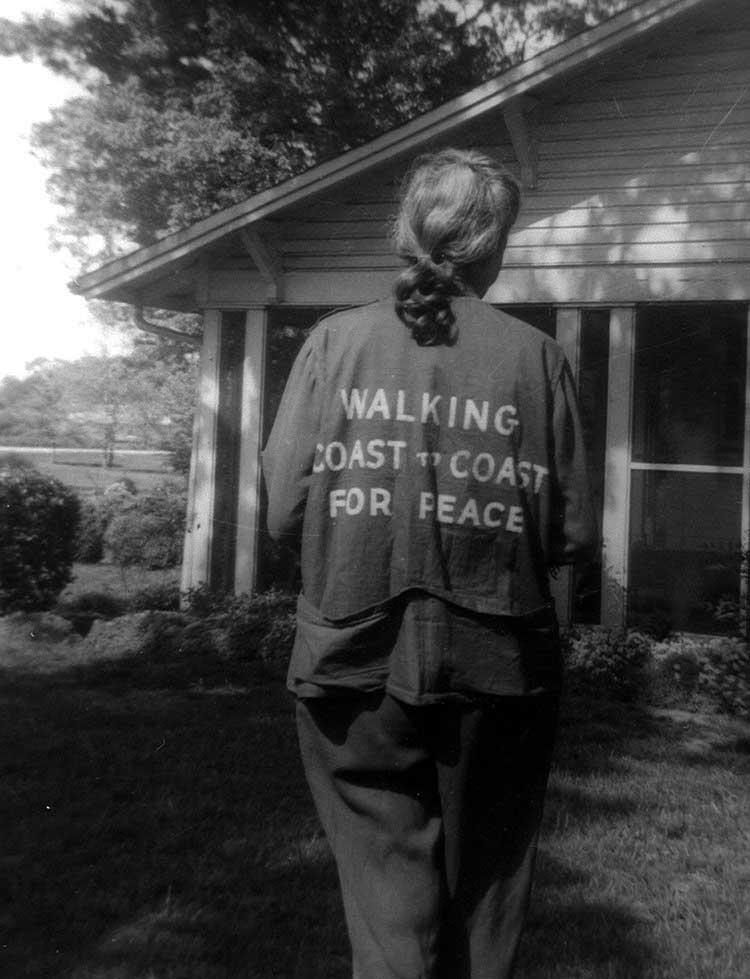
She gave away all her possessions, put on a simple tunic labeled “Peace Pilgrim,” and began walking across the United States with a single mission: to promote peace through nonviolence and inner transformation.
For the next 28 years, she walked thousands of miles, speaking with anyone willing to listen.

From Ordinary Beginnings
Mildred’s early life gave little hint of the path she would later follow. As a teenager she was energetic and outgoing, captain of her high school debate team and class valedictorian. In her youth she even embraced the fashionable “flapper” lifestyle of the 1920s, enjoying stylish clothing and city outings.
At 25, she married Stanley Ryder, but the marriage proved difficult. Their personalities clashed, and by the beginning of World War II they divorced. The emotional toll of war, the loss of her father, and her personal struggles led Mildred to begin searching for deeper meaning in life.
One night, during a long solitary walk through the woods, she reached a moment that changed everything. Standing in a quiet clearing beneath the moon, she offered a simple but powerful prayer:
“If you can use me for anything, please use me. I withhold nothing.”
From that moment forward, her life took a new direction.
A Fifteen-Year Journey of Preparation
Rather than rushing into action, Mildred spent fifteen years preparing herself. During this time she explored spirituality, volunteered with peace organizations, and worked with vulnerable communities.
She simplified her life, becoming vegetarian, giving up stimulants, and focusing on discipline and compassion. She believed that inner peace must come before world peace, and that people must learn to overcome anger, fear, and selfishness within themselves.
In 1952, she walked the entire Appalachian Trail in a single season, becoming the first woman known to do so. That experience strengthened both her physical endurance and her spiritual clarity.
Soon after, while resting on a hill and reflecting on global conflict and social tension, she realized her purpose: a walking pilgrimage for peace across America.
The Beginning of the Peace Pilgrimage
On January 1, 1953, Mildred began her journey in Pasadena, California. Wearing a simple tunic with the words “Peace Pilgrim” printed on it, she declared her intention to walk across the United States.
She carried no money, relied on the kindness of strangers for food and shelter, and represented no religious group or political organization. In her pockets she kept only the essentials, a comb, toothbrush, pen, and printed copies of her message.
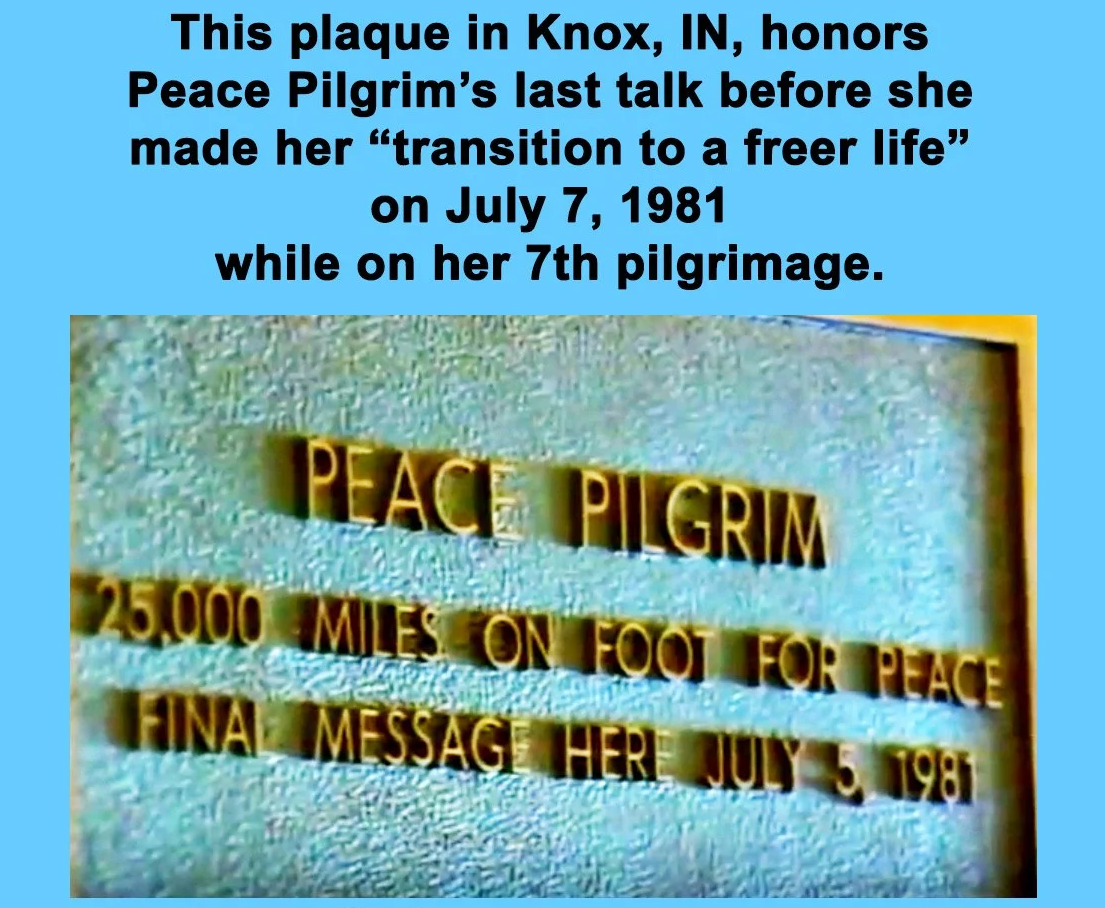
For the next 28 years, Peace Pilgrim walked daily across the country, eventually crossing the United States seven times and traveling over 25,000 recorded miles (and likely many more).
Her message was simple but powerful: peace begins within each person.
A Message That Spoke to Everyone
Peace Pilgrim became a sought-after speaker in schools, churches, and community gatherings. What made her message unique was its universal appeal.
People from different backgrounds heard their own beliefs reflected in her words, some thought she spoke from Christian traditions, others heard Eastern philosophy, and still others recognized ideas from many spiritual teachings.
When someone once told her that her message sounded like the teachings of saints throughout history, she responded humbly:
“There is nothing new in my message, just the practice of it.”
Her philosophy focused on practical actions anyone could take:
- Make peace with someone you are in conflict with
- Let go of habits of anger, worry, or fear
- Work to bring harmony into everyday situations
She believed every small act of peace contributes to a more peaceful world.
Her Final Journey
On July 7, 1981, Peace Pilgrim was traveling to give a speech in Indiana when a tragic car accident took her life, just days before her 73rd birthday.
For someone who had spent nearly three decades walking and teaching about peace, her passing marked the end of an extraordinary journey.
Yet her message remains timeless.
Final Thoughts
Peace Pilgrim’s story reminds us that meaningful change doesn’t always begin with power, wealth, or fame. Sometimes it begins with a single decision to live differently.
She showed that one person with conviction, humility, and persistence can influence thousands of lives simply by walking their path with purpose.
Perhaps her greatest lesson is this: you don’t need to walk across a country to contribute to peace. You can begin right where you are.
Every act of kindness, patience, understanding, and forgiveness helps build the peaceful world she spent her life walking toward.
And as Peace Pilgrim believed:
“The more peace you have in your own life, the more you can reflect into the world.”


- News & Current Affairs
- Business & Economy
- Finance & Money
- Education & Learning
- Technology & Innovation
- Science & Environment
- Health & Wellness
- Food & Drink
- Home, Garden & Lifestyle
- Travel & Tourism
- Fashion & Beauty
- Art & Culture
- Entertainment & Media
- Sports & Recreation
- Personal Growth & Lifestyle
- Careers & Work
- Tutorials & How-To Guides
- Real Estate & Property
- Automotive
- Family & Relationships
- Environment & Sustainability
- Law & Legal Matters
- Gaming & Esports
- Religion & Spirituality
- Community & Local Voices
- Miscellaneous
- History