


Cleopatra VII: Egypt’s Last Pharaoh and One of History’s Most Powerful Women
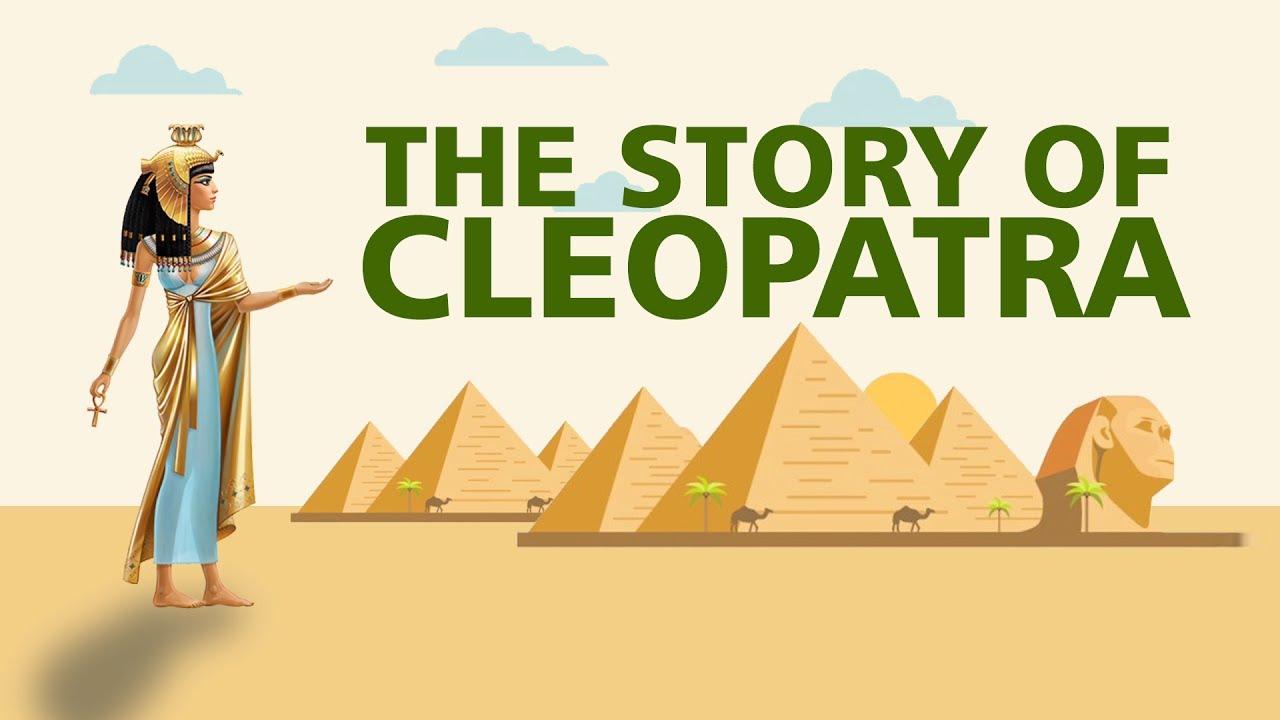
Cleopatra VII (69–30 BCE) was the last ruler of ancient Egypt and one of the most fascinating figures in world history. Cleopatra ruled for nearly 30 years, longer than many Roman emperors. Her determination to preserve Egypt’s sovereignty against the might of Rome makes her one of history’s most remarkable leaders.
Far more than a legendary beauty or romantic icon, Cleopatra was:
- A master diplomat
- A skilled politician
- A multilingual intellectual
- A powerful monarch in a male-dominated world
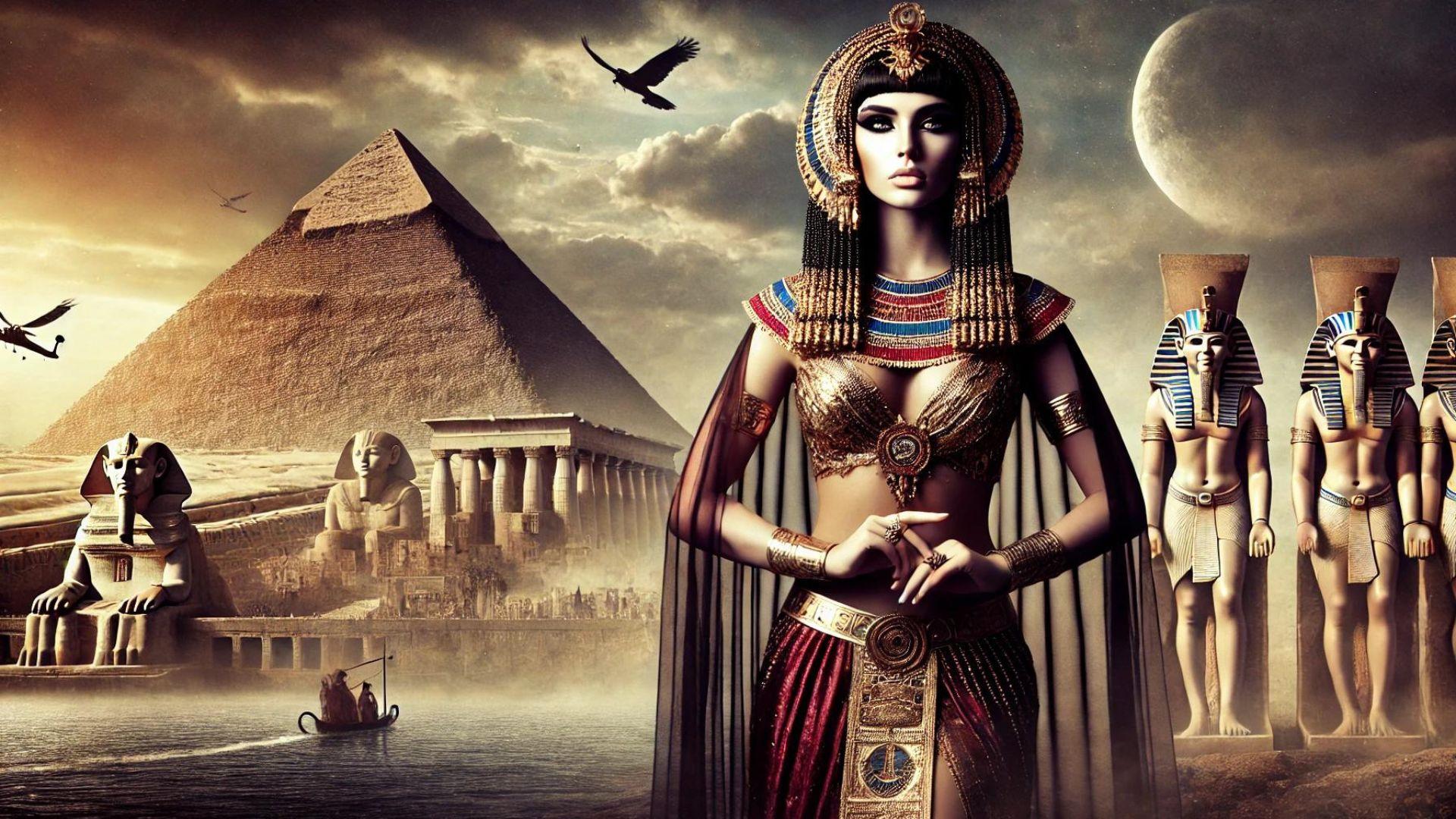
Her life blended politics, ambition, intelligence, and romance, shaping an enduring legacy that still captivates the world today.
Early Life and Rise to Power
Cleopatra was born in Alexandria into the Ptolemaic dynasty, a Greek-Macedonian royal family founded by Ptolemy I, one of Alexander the Great’s generals. Although she ruled Egypt, Cleopatra was not ethnically Egyptian, yet she embraced Egyptian traditions more fully than any of her ancestors.
She received an exceptional education, studying languages, mathematics, philosophy, medicine, and politics. Unlike most Ptolemaic rulers, Cleopatra learned to speak Egyptian and could reportedly speak up to a dozen languages, making her a formidable diplomat.
In 51 BCE, at just 18 years old, Cleopatra became co-ruler with her younger brother Ptolemy XIII. Power struggles soon erupted, and she was forced into exile in Syria. Determined to reclaim her throne, Cleopatra prepared for war, and turned to Rome for support.
Alliance with Julius Caesar
Cleopatra’s fortunes changed dramatically when she sought the help of Julius Caesar, who arrived in Alexandria in 48 BCE. According to legend, she had herself smuggled into the palace rolled inside a carpet so she could plead her case directly to him.
Caesar backed her claim to the throne, defeating her brother’s forces. Ptolemy XIII drowned while fleeing, and Cleopatra was restored as queen, ruling alongside another younger brother, Ptolemy XIV.
Cleopatra and Caesar became lovers, and in 47 BCE she gave birth to a son, Ptolemy Caesar, known as Caesarion. She later traveled to Rome as Caesar’s guest, living there until his assassination in 44 BCE.
After returning to Egypt, Cleopatra arranged for Ptolemy XIV’s removal and ruled with Caesarion as her co-regent, strengthening her grip on power.
Cleopatra and Mark Antony
Following Caesar’s death, Rome fell into civil war. Power eventually rested with the Second Triumvirate: Mark Antony, Octavian, and Lepidus.
In 41 BCE, Antony summoned Cleopatra to Tarsus to explain Egypt’s political position. Cleopatra arrived in magnificent fashion, dressed as the goddess Isis, and quickly captured Antony’s attention. The two formed both a political and romantic alliance.
They ruled the eastern Mediterranean together, had three children - twins Alexander Helios and Cleopatra Selene, and later Ptolemy Philadelphus, and presented themselves as divine rulers of a new eastern empire.
Under Cleopatra’s leadership, Egypt flourished economically, becoming Rome’s most valuable grain supplier.
War with Octavian and the Fall of Egypt
Cleopatra and Antony’s growing power alarmed Octavian, Caesar’s adopted heir. A propaganda war followed, portraying Cleopatra as a dangerous temptress who had enslaved Antony.
In 31 BCE, Octavian defeated their combined fleet at the Battle of Actium. The couple fled to Egypt, where their final stand ended in tragedy.
Believing Cleopatra dead, Antony fell on his sword. When Cleopatra realized Octavian intended to parade her through Rome as a captive, she chose death over humiliation. In 30 BCE, at age 39, she took her own life, traditionally said to be by the bite of an asp, though poison is also possible.
With Cleopatra’s death, Egypt became a Roman province, and Octavian would soon become Emperor Augustus.
Final Thoughts
Cleopatra VII was not merely a queen of romance and legend—she was a stateswoman, strategist, and survivor in one of history’s most dangerous political arenas. Her life marked the dramatic end of ancient Egypt and the rise of the Roman Empire.
Her story continues to inspire books, films, and scholarship because it represents far more than beauty and tragedy—it tells the tale of a woman who dared to challenge the most powerful empire on Earth.


- News & Current Affairs
- Business & Economy
- Finance & Money
- Education & Learning
- Technology & Innovation
- Science & Environment
- Health & Wellness
- Food & Drink
- Home, Garden & Lifestyle
- Travel & Tourism
- Fashion & Beauty
- Art & Culture
- Entertainment & Media
- Sports & Recreation
- Personal Growth & Lifestyle
- Careers & Work
- Tutorials & How-To Guides
- Real Estate & Property
- Automotive
- Family & Relationships
- Environment & Sustainability
- Law & Legal Matters
- Gaming & Esports
- Religion & Spirituality
- Community & Local Voices
- Miscellaneous
- History